Analysing climate transition risks through a systemic approach considers all relevant trends during this period that are useful for businesses to track and inform decisions. This view includes physical risks because they have a feedback effect; physical risks, such as extreme weather events and land degradation, can either catalyse the climate transition or exacerbate other transition risks.
Six primary classes of risks, as defined by the Cambridge Taxonomy of Business Risks (2019), through the “lens” of climate transition, include:
Economies that depend heavily on fossil fuels face significant macroeconomic challenges during the transition to cleaner energy. Market stability may be disrupted by volatile prices in energy, electricity, commodities and essential minerals and metals. Carbon pricing mechanisms and tariffs can alter trade dynamics. Financial institutions must incorporate climate-related factors – such as credit ratings, resource competition and counterparty risks – into their stress testing. A lack of preparation for these shifts can result in substantial financial losses.
Companies must navigate risks stemming from shortages of workers with green skills and vulnerabilities in global supply chains. Practices like greenwashing and corruption can erode trust in sustainable investments. Emerging policies that support clean energy, carbon pricing and efficiency standards may give green industries a competitive edge. However, trends like increased state control or protectionist trade policies introduce new uncertainties. Additionally, physical climate threats – such as water scarcity – can heighten geopolitical tensions. The growing field of climate security examines how climate change can destabilize regions by intensifying resource competition, disrupting livelihoods and triggering mass displacement.
Advancements in solar and wind energy are central to the energy transition. Innovations in digital technologies, artificial intelligence, grid expansion, energy storage and carbon removal are accelerating progress. However, greater digitalization also increases cybersecurity threats to critical infrastructure. Moreover, changing weather patterns can lead to industrial accidents and costly damage to assets and facilities.
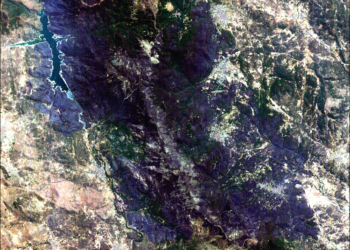
Environmental threats arise from both sudden events – like extreme weather and geological hazards – and gradual climate shifts. The increasing intensity of these events poses serious risks to infrastructure. Resource depletion and environmental degradation threaten the stability of food, water and energy systems. These pressures are driving the shift toward low-carbon economies and spurring adaptation and mitigation efforts. Physical climate risks are a key component of environmental risk classifications.
Effectively managing the social impacts of the transition is essential. Without adequate planning, climate change can worsen existing migration trends. Companies may struggle to attract and retain talent with sustainability expertise. Shifting consumer preferences toward sustainable living and transparency in supply chains can damage the reputation of certain industries. Health and social care systems must adapt to warmer climates and changing patterns of disease. If communities are excluded from decision-making, adaptation efforts may deepen existing inequalities and fuel social unrest.
Organisations face serious risks if they fail to comply with evolving environmental regulations or become targets of climate-related litigation, including class actions and damage claims. Divesting from fossil fuel assets can also present challenges. Poor governance and outdated business models may prevent companies from identifying assets at risk of becoming stranded. Staying aligned with changing green market standards is crucial to minimizing exposure to these risks.
The interconnected nature of climate transition risks may be used to the advantage of businesses. A well-planned strategy for managing risks can help mitigate multiple risks simultaneously. Risk taxonomies, by outlining a wide variety of risk categories, can assist companies in identifying blind spots and opportunities in their transition-related strategies and can serve as a source of ideas for new products. In parallel, scenarios offer potential future situations for companies to test how well their business strategies and performance would hold up under different conditions.
In conclusion, the transition related to climate is a complex phenomenon that gives rise to a variety of interconnected risks across financial, geopolitical, technological, environmental, social and governance levels. Understanding the systemic nature of these risks is essential for businesses and other entities to develop resilience and strategic planning for a just transition that aims to ensure no one is left behind.
The Cambridge Centre for Risk Studies (CCRS) investigates the financial, economic and societal impacts of systemic risks by analysing how these risks are interconnected and identifying their root causes. Its goal is to develop practical tools that businesses can use to enhance their resilience and thus collaborates with various corporate partners to address a wide range of systemic challenges, including digital innovation, geopolitics and climate transition.
The Cambridge Risk Research Symposium is a one-day event run by the Cambridge Centre for Risk Studies, Systemic Risks Hub, that brings together a multidisciplinary panel of business and academic experts on systemic risk and give them the opportunity to present their work around three major topics: Climate Transition, Geopolitics and Revolution in Digital Technologies.
Date: Thursday 26 June 2025, 09:30-17:00
Venue: Cambridge Judge Business School, University of Cambridge
https://www.jbs.cam.ac.uk/events/cambridge-risk-research-symposium-2025/
Maria Fernanda Lammoglia Cobo is a Research Associate in systemic risks at the Centre for Risk Studies. She is a Mexican engineer focused on the application of technology for development and social innovation. Previously, Fernanda worked on gene and cellular therapies for several years and then transitioned to consulting in technology innovation, disaster risk management and emergency preparedness and response. Her humanitarian work involves the use of geospatial technologies, imagery analysis and open-source investigation to document human rights violations and support emergency operations.