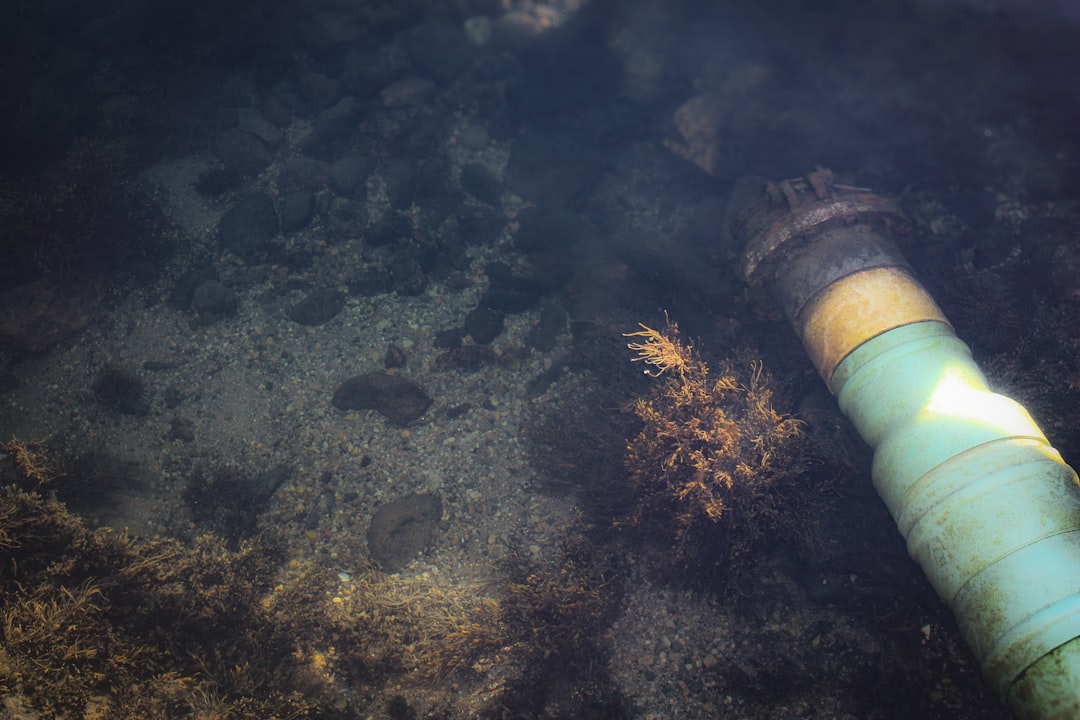
The UK has launched a sweeping new undersea warfare initiative aimed at countering Russia’s growing interest in the cables and pipelines that keep Britain, and much of Europe, running.
Unveiled by Defence Secretary John Healey at HM Naval Base Portsmouth, the Atlantic Bastion programme brings together autonomous vessels, AI-powered sensors, surface ships, and aircraft into a single network designed to find, track, and, if necessary, respond to hostile activity across the North Atlantic.
The move follows a marked uptick in Russian undersea operations, including visits by the intelligence-gathering vessel Yantar near UK waters and what Defence Intelligence describes as a concerted Russian focus on “critical undersea infrastructure” as strategic targets. With Europe’s energy arteries, data cables, and offshore connectors now part of modern conflict, the MoD argues that Britain must be able to detect threats long before they reach those assets.
Healey warned that the stakes are unusually high. “People should be in no doubt of the new threats facing the UK and our allies under the sea, where adversaries are targeting infrastructure that is so critical to our way of life,” he said, adding that the “new era of threat demands a new era for defence.” Atlantic Bastion, he argued, will become “a blueprint for the future of the Royal Navy,” blending autonomous and human-crewed platforms across air, sea, and subsurface domains.
Central to the effort is a rapid technology push. Some £14 million in seed funding has already drawn responses from 26 UK and European companies, spanning established defence contractors and specialist autonomy firms. 20 companies are currently demonstrating prototype sensor systems, with industry investment reportedly outweighing the government contribution by four to one – signalling strong confidence that undersea surveillance and protection will be a major operational priority for years to come.
Dr Rich Drake, managing director of Anduril UK, said: “The government has called upon industry to create the modern warfighter. We have designed Seabed Sentry in the UK in partnership with other British companies to deliver for our Armed Forces and protect allied waters from increasingly hostile actors. We are investing in British talent, in British technology and in Britain’s tomorrow. Anduril UK stands ready to defend British interests.”
The MoD says the first capabilities could begin sea trials as early as next year. If the timetable holds, Atlantic Bastion would give the UK and its NATO partners a new, highly distributed way to monitor the vast underwater spaces Russia now seeks to exploit. For a domain where the line between espionage, hybrid warfare, and strategic attack increasingly blurs, the government is betting that more eyes – human and machine – beneath the waves will help keep critical national infrastructure off Moscow’s target list.