Ukraine’s counter-drone tech is heading west, with General Cherry and Orqa teaming up to get interceptor drones into NATO hands for the first time.
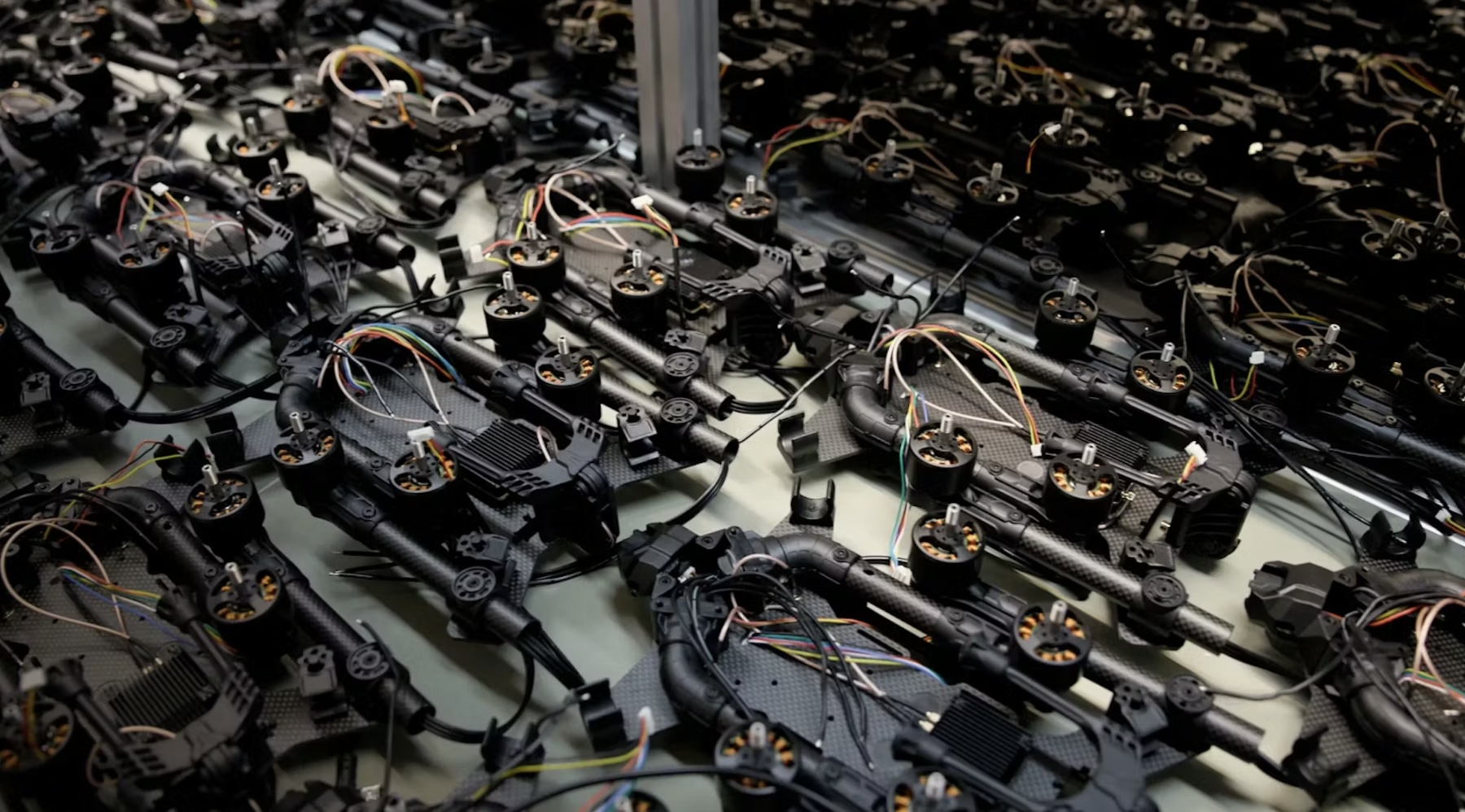
The agreement brings together General Cherry’s combat experience and Orqa’s manufacturing muscle, with a clear aim: to turn what’s been learned on the frontline into systems allies can actually use, without pulling resources away from Ukraine. The focus is on interceptor drones and wider counter-UAS kit, with production set to run across Croatia and Ukraine, with the first systems expected soon.
“Today marks the beginning of a new chapter for our company and Ukrainian defence tech as a whole,” said Yaroslav Gryshyn, co-founder of General Cherry. “Our shared goal is clear: to help build a new architecture of European and global security.” He added that “Ukraine’s unique battlefield experience, combined with ORQA’s technological expertise, creates a powerful synergy.”
For Orqa, this builds on a strategy that’s been in motion for a while. Speaking to Resilience Media in December, CEO Srdjan Kovacevic argued for distributed drone manufacturing, saying smaller, decentralised production sites can move faster and hold up better than traditional defence supply chains. That approach now fits neatly with the plan to scale Ukrainian designs across allied countries.
Kovacevic framed the latest agreement in similar terms: “General Cherry’s real-world combat experience, combined with Orqa’s broad technical capabilities, creates a partnership with exceptional potential based on a trailblazing mutual manufacturing model.” He added that it would make “highly effective interceptor drone capability… available outside Ukraine for the first time.”
Orqa doesn’t use Chinese components and keeps production in-house, which lines up with NATO’s push to get a firmer grip on where defence tech comes from. Set that against Ukraine’s pace of development over the past couple of years, and you’ve got systems that haven’t just been designed in theory, but used and iterated on in the field.
Western militaries have spent years working through counter-UAS doctrine on paper. Ukraine has had to figure it out on the fly, under fire – and now that experience is starting to move beyond its borders.