Ukraine’s Ministry of Defence said drone operations accounted for hundreds of thousands of confirmed battlefield strikes in 2025, underscoring the central role unmanned systems now play in the war.
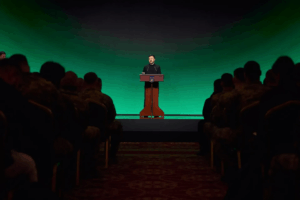
Speaking at the Army of Drones 2025 event, Defence Minister Mykhailo Fedorov said Ukrainian forces recorded roughly 820,000 verified strikes against Russian targets over the course of the year. According to the ministry, those strikes included around 240,000 cases in which enemy personnel were killed or critically wounded.
“Currently, over 80% of enemy targets are destroyed by drones,” said Ukraine President Volodymyr Zelenskyy. “The vast majority are drones manufactured in Ukraine. We must secure Ukraine’s enduring technological leadership. This translates into increased effectiveness of drone developers and manufacturers, greater effectiveness of our ‘Drone Line’ project, and greater effectiveness of every unit operating drones and employing technologies and all new elements of warfare.”

Officials said the figures are based on video confirmation collected through the Army of Drones digital tracking system. In total, 819,737 confirmed strikes were logged in 2025. Most were directed at enemy personnel, alongside tens of thousands of strikes against equipment.
“62,000 hits on light armored vehicles, 29,000 hits on heavy armored vehicles, 32,000 enemy strike and reconnaissance UAVs destroyed,” wrote Fedorov. “For the first time, we have received real, verified battlefield data that can be used to support data-driven management decisions. We will continue to develop the program, and later this year we will expand the system to include new areas, including awarding points for the performance of air defense and army aviation against enemy drones, as well as rewarding snipers for their performance.”
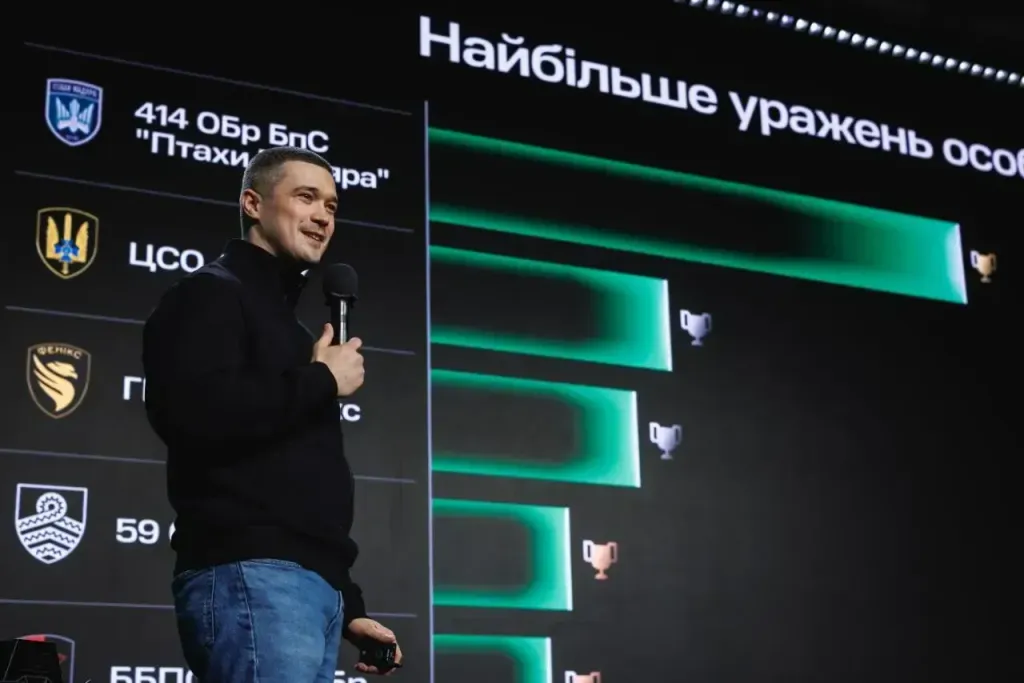
During the event, the Ministry of Defence recognized units with the highest scores in the Army of Drones Bonus system, which assigns points for confirmed battlefield effects. The top-ranked units included formations from the Unmanned Systems Forces, special operations units, and assault brigades across multiple branches of the Ukrainian military.
Fedorov said the intent of the bonus system is not symbolic recognition, but replication. Battlefield results generated by high-performing units are analyzed and applied more broadly across the front to improve overall effectiveness and sustain a technological advantage.
The ministry also announced planned adjustments to the scoring model, including coefficients that reward longer-range engagements. Officials said the change is intended to encourage deeper strikes aimed at disrupting logistics and targeting enemy drone operators farther from the line of contact.
“For the first time, we have received real, verified battlefield data that can be used to support data-driven management decisions. We will continue to develop the program, and later this year we will expand the system to include new areas, including awarding points for the performance of air defense and army aviation against enemy drones, as well as rewarding snipers for their performance,” said Federov.
The event also highlighted drone and systems manufacturers whose equipment delivered strong battlefield results, as well as the most frequently selected platforms on Ukraine’s Brave1 Market procurement system.