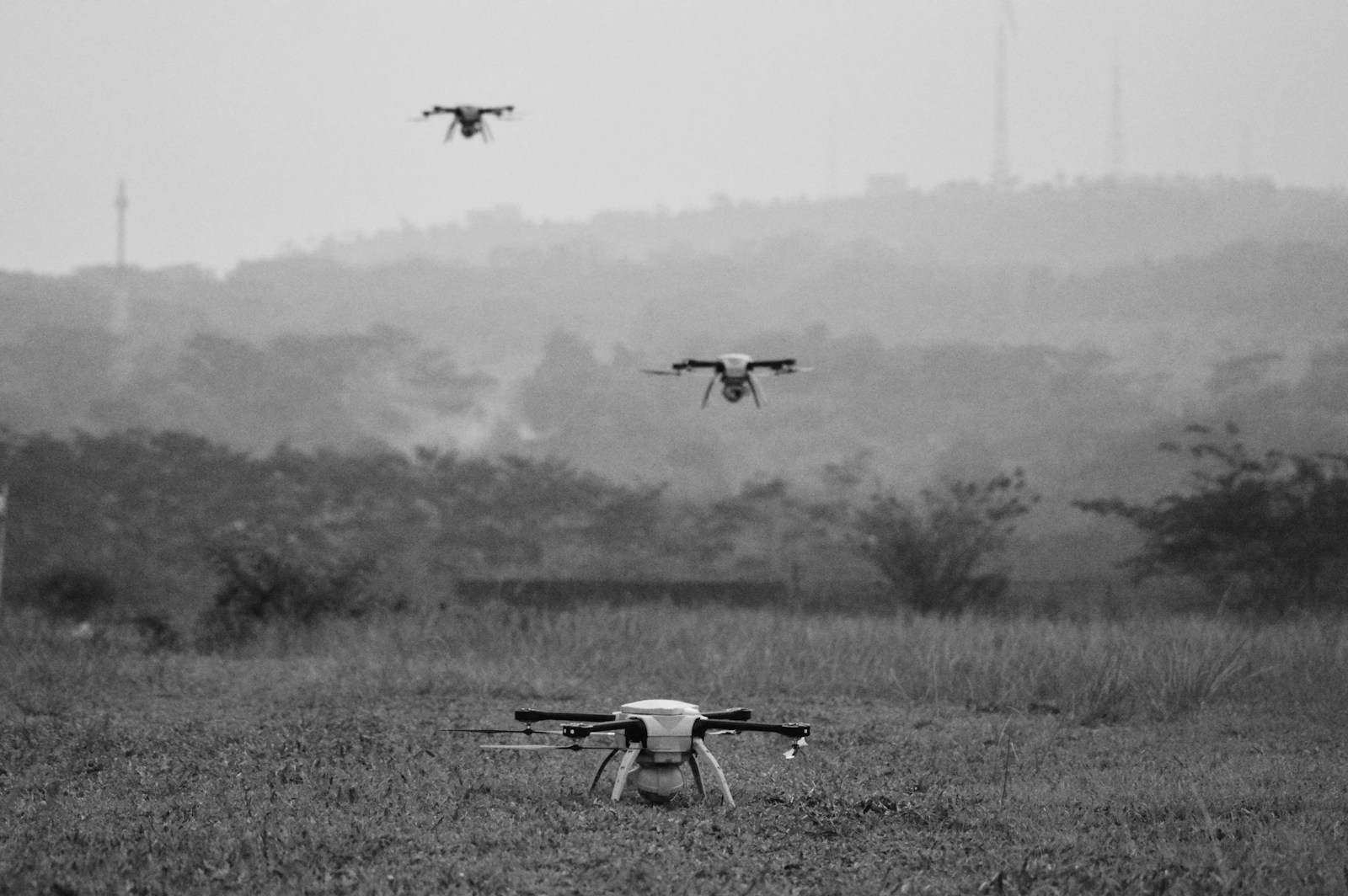
 Modern air defence is entering a dangerous economic inversion: in many cases, it now costs far more to destroy a threat than it does to launch one.
Recent Iranian strikes across the Gulf illustrate the scale of the problem. Over the course of a single weekend, Iran launched more than 500 drones, alongside ballistic and cruise missiles, towards the UAE and other regional targets. Emirati air defences achieved remarkable interception rates, reportedly destroying more than 90% of incoming threats and preventing major damage to civilian population centres.
Operationally, the defence worked. Financially, the balance looks very different.
For every dollar spent launching drones, defenders may spend twenty or more shooting them down. In the case of Iran’s Shahed-type drones, which are estimated to cost $20,000 to $50,000 each, analysts estimate the total cost for those attacks at up to $360 million. The cost of intercepting them, however, may have exceeded $1.5 billion, as the interceptors currently used can cost hundreds of thousands – or even millions – of dollars.
This has been described as akin to using “Ferraris to intercept e-bikes”.
The economics of attrition
This asymmetry is not accidental. By launching large numbers of inexpensive drones alongside more advanced weapons, attackers force defenders to expend costly interceptors and draw down stockpiles that cannot be replenished quickly. Even the most capable air defence networks face pressure when forced to operate this way for extended periods.
The same logic has been visible in Ukraine for several years. Russia’s use of Shahed drones has repeatedly forced Ukrainian air defences to intercept large waves of comparable, inexpensive threats, consuming scarce interceptors and placing sustained pressure on defensive systems.
What is changing now is how defenders are responding.
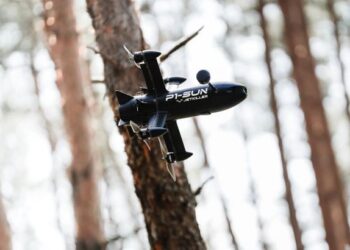
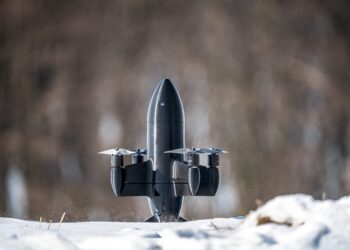
Recent reporting suggests the Pentagon and several Gulf states are exploring the use of Ukrainian-developed interceptor drones designed specifically to destroy these Shahed-type drones at a fraction of the cost of traditional interceptors. Ukrainian companies have begun producing these interceptors for only a few thousand dollars each, offering a far more sustainable way to counter large drone swarms.
Rethinking air defence
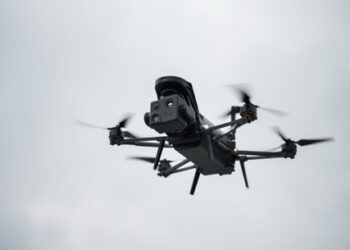
One response to this challenge is to rethink the architecture of counter-drone defence. Rather than relying primarily on expensive interceptors, several emerging approaches aim to separate detection from interception and enable earlier, more distributed sensing of incoming threats. These range from lower-cost interceptor drones to electronic or gun systems and other layered defences. Another approach — which my company, Alpine Eagle, takes — places sensors in the air to detect and track low-flying drones earlier and share targeting data across defensive networks.
This allows traditional air defence architectures to continue doing what they were designed to do: defeating high-value targets such as aircraft, cruise missiles and ballistic missiles. These systems remain extraordinarily capable in that role. But when they are forced to engage hundreds or thousands of inexpensive drones, the economic model begins to break down.
Technological sophistication
The implications extend far beyond the Middle East conflict and the Ukraine war.
We’re increasingly seeing drones being used not only as strike weapons but also as instruments of pressure and espionage. Persistent aerial threats can disrupt airports, probe critical infrastructure and impose financial strain on defensive systems even when they fail to reach their targets.
Maintaining air defence under these conditions requires changing the economic logic of defence itself, bringing the cost of interception closer to the cost of the threat.
Future counter-drone architectures must detect threats earlier, respond faster and scale across large areas without relying solely on a small number of highly expensive interceptors. That means distributed sensing networks, rapid coordination between platforms and layered defensive systems that combine electronic warfare, guns and autonomous interceptors.
Such approaches recognise a fundamental reality of modern warfare: airspace control is no longer determined solely by technological sophistication, but also by cost efficiency and production capacity.
Drone warfare has changed the economics of defence. Without cheaper and more scalable air defence systems, the cost of protecting airspace may continue to rise faster than many states can sustain.
Jan-Hendrik Boelens is the CEO and co-founder of Alpine Eagle, a counter-UAS startup based in Munich.