German fuel cell maker SFC Energy AG has received a €42.7 million order to supply “combat-proven” hybrid energy supply systems to Ukraine under the “Enablement Initiative” from the German Federal Government, according to a release.
The deal is the largest in the company’s history and reflects the growing role of portable power systems in modern military operations.
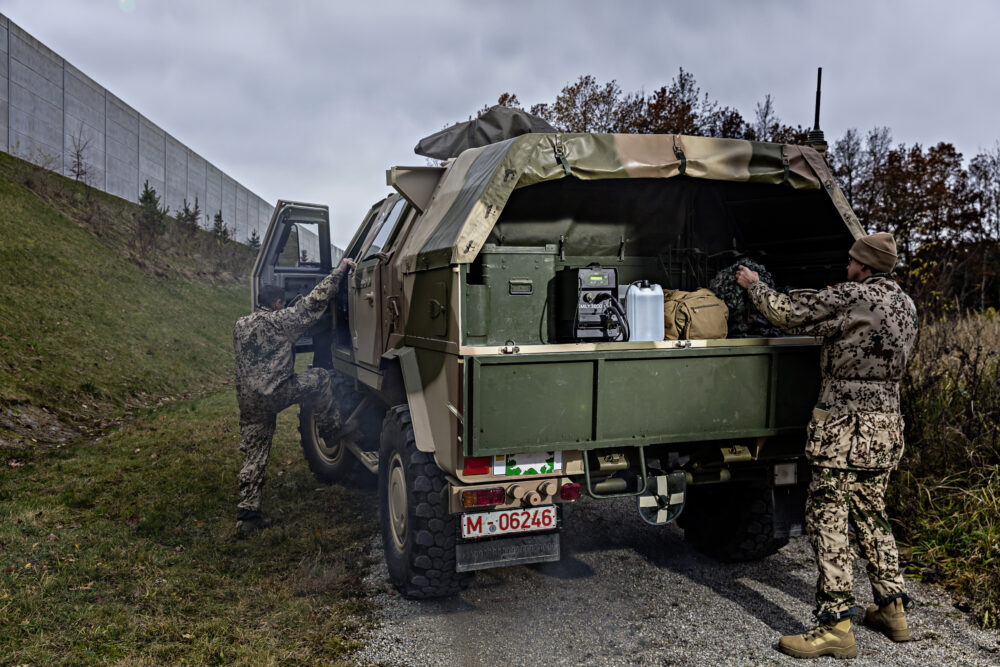
The fuel cells are designed to provide “decentralized” power for frontline and mobile operations, including communications equipment, navigation systems, drone charging stations, and field hospitals. The company says the fuel cells have already been deployed under combat conditions and are intended for both military and civilian applications.
“We thank Ukraine for its trust and are proud to be able to make a meaningful and important contribution as part of the German Federal Government’s Enablement Initiative,” said CEO Dr. Peter Podesser. “Following the successful deployment of our solutions under real-world conditions, we are supporting the forces with combat-proven, highly mobile systems that combine a high degree of self-sufficiency, long runtime, and an extremely low signature. This provides clear tactical advantages while simultaneously increasing the safety of the forces.”
Fuel cells can operate for long periods with minimal maintenance while reducing the amount of batteries and fuel that troops need to carry. According to the company, the systems also have low thermal and acoustic signatures, making them harder to detect in the field. This makes it easier for drone pilots to maintain and charge their devices in the field without alerting enemy troops.
Portable energy systems have become increasingly important in Ukraine, where Russian strikes on the electrical grid and logistics chains have forced both civilian and military operators to rely on distributed power sources.
SFC Energy says it will help establish support, training, and infrastructure inside Ukraine in coordination with the German Ministry of Defence’s Ukraine Task Force. The company said the goal is to create long-term operational support for both military and reconstruction efforts beyond 2026.