Terra Industries, the Nigerian startup that has the ambition to become the first defence tech prime in Africa, has raised more funding in aid of that mission. One month after disclosing a seed round of $12 million, the company has added another $22 million to the pot, bringing the total size of its seed to $34 million to expand its business. It’s not finished.
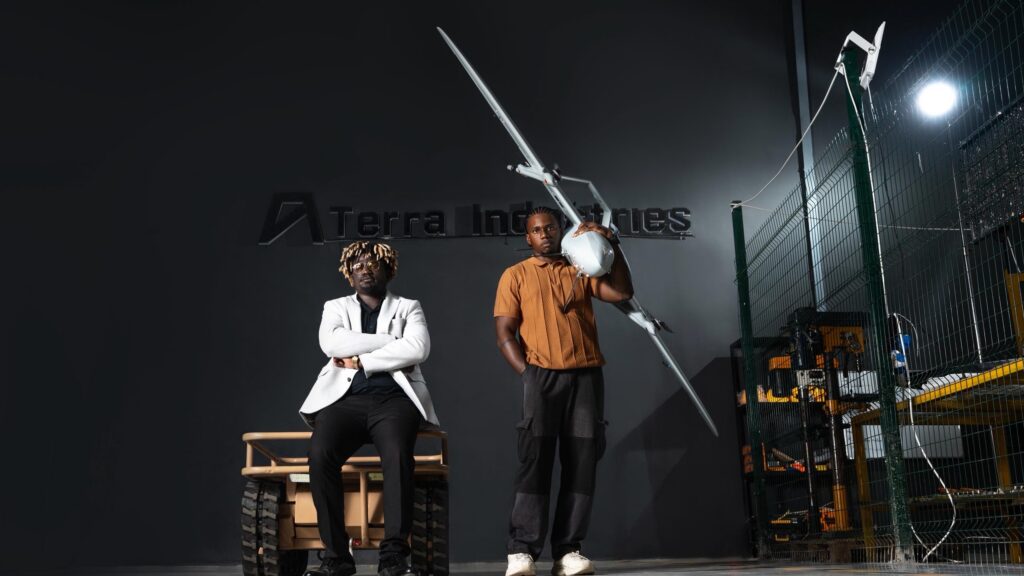
“Our Series A is going to be a big one for the company,” said Terra’s 22-year-old CEO Nathan Nwachuku, who co-founded the company with Maxwell Maduka, Terra’s chief engineer (aged 24), pictured below left and right respectively. Nwachuku confirmed that Terra now has a valuation in the hundreds of millions (“nine figures”) range.
As a point of comparison, at the first close of the seed round, its valuation was just under $42 million, according to data in PitchBook.
As we’ve noted before, Terra is coming at defence tech from a different angle than comparable companies in other parts of the world.
A number of the defence techs emerging in Europe and the U.S. are focused at the moment on transnational threats from adversarial states, particularly as they are being played out in Ukraine and the Eastern Flank; and how NATO allied nations can improve national resilience with sovereignty in mind. These were major themes at last week’s Munich Security Conference.
Terra, on the other hand, has identified a different kind of threat: terrorism, kidnapping and other pernicious and destabilising domestic activity.
Terrorists (who in some cases actually do envision themselves as states of their own, even if they are not recognised as such by others), pirates and rogue internal criminal gangs are the biggest issues for countries in Africa, in Nwachuku’s view: they are what keep countries and the people in them from being able to follow healthy socio-economic development trajectories.
“We see ourselves as an anti-terrorism company,” he said in an interview last week. “We want to help give Africa the technological tools needed to wage a full-blown war on terror. For us, this is all that matters, building out this ecosystem that can more effectively counter terrorism.” He notes that 17 years ago, terrorism accounted for 1% of crime on the continent; today it accounts for 59%.
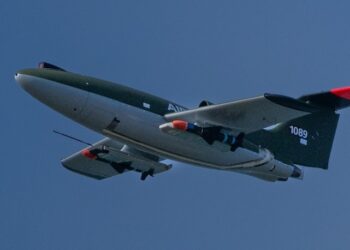
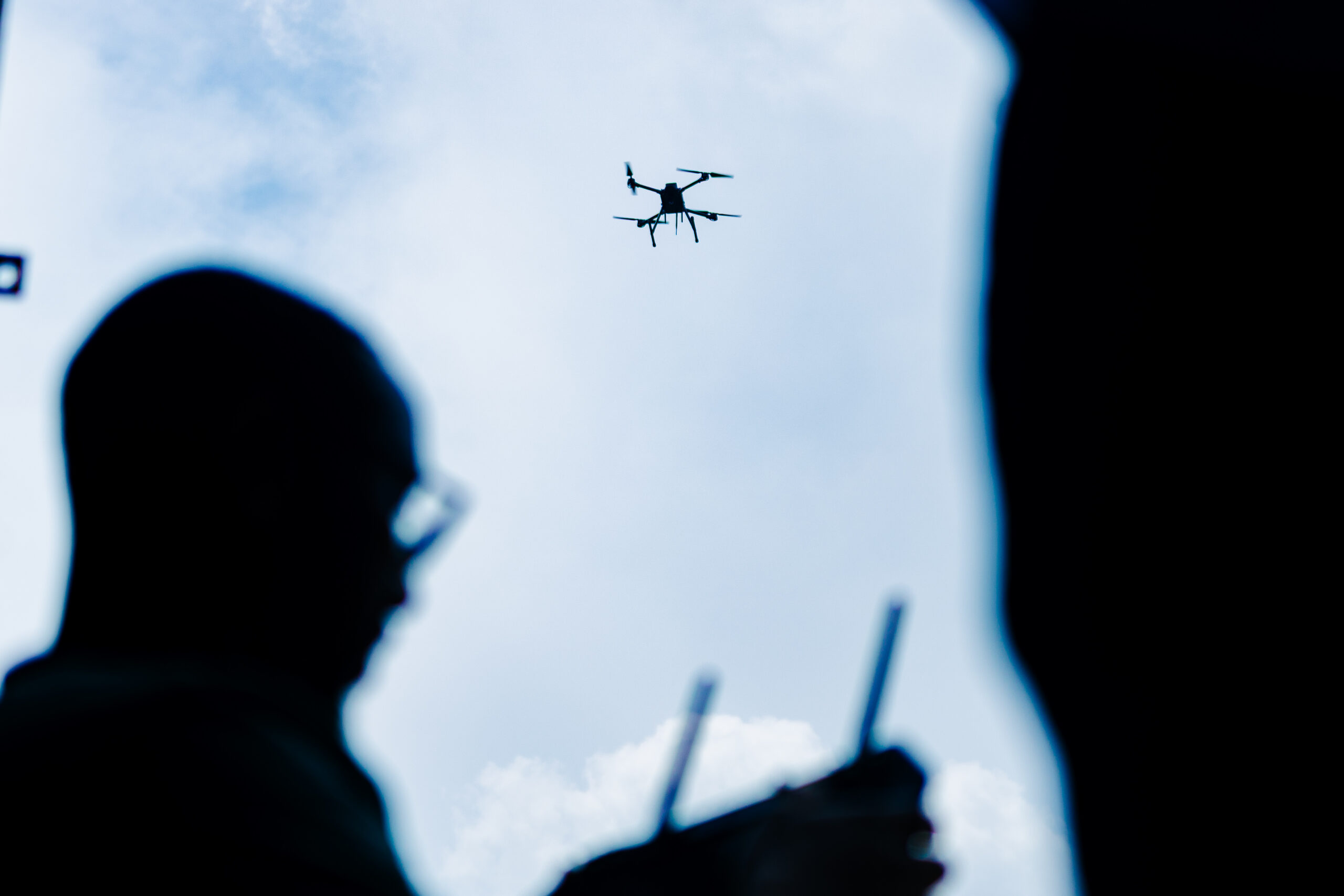
To that end, it’s building out a system of software and hardware, initially covering air and land. Products include its own operating system, Artemis OS, along with two aerial drones, the Archer VTOL and the Iroko UAV; a ground system called Druma; and sentry towers.
Target segments include military, law enforcement and civilian organisations running, for example, energy infrastructure, and its business has been seeing a lot of momentum. Nwachuku said that in it’s now close to closing out two different contracts worth tens of millions of dollars each, from government entities. It’s also been seeing a lot of inbound in the weeks since announcing the initial seed funding.
All of this has led to its investors from early $12 million investment — some very big names in defence tech investing — doubling down. Lux Capital is the biggest investor in this latest tranche, with other existing investors also participating, among them 8VC, Nova Global, Silent Ventures, Belief Capital, Tofino Capital and Resilience17 Capital (Flutterwave CEO Olugbenga Agboola’s investment firm). Angels include Hummingbird Ventures’ Jordan Nel and the actor Jared Leto.
“We believe in a future where local defense technology prevails, because security is the prerequisite for all economic growth,” said Brandon Reeves, Partner at Lux Capital, in a statement. “That’s why Terra Industries is building the African defense prime that secures sovereignty and provides the necessary counterterrorism technology on the continent.”
Most of the funding, Nwachuku said, would be going towards expanding manufacturing capacity to meet incoming orders for both its air-based and land-based systems.
It has produced devices in the “low hundreds” so far and the goal this year is to make thousands this year and “tens of thousands” of devices by next year, he said.
Terra already has a factory in Nigeria that it will be expanding, and it’s setting up a second facility in an undisclosed second country. It’s also very focused on hiring more people.
“We even position Africa as a defence production hub for similar regions facing similar crises,” he said.