Estonian-Dutch dual-use startup Spiral Hydrogen will be taking its centrifugal bubble-free electrolysis technology from the lab to the Port of Rotterdam, thanks to a €2.7 million pre-seed funding round.
In green hydrogen production, current electrolysers (devices that split water into hydrogen and oxygen) lose up to 30% of input energy when gas bubbles form on the electrodes and block active reaction sites, limiting system efficiency.
The startup’s system, by contrast, “eliminates bubble formation entirely,” said Spiral Hydrogen founder and CEO Juri Volodin said in an interview. This is achieved by way of a new electrode that the startup has developed.
“Gases are [instead] routed directly through the porous electrode into a dedicated gas channel,” he added.
The efficiency of bubble-less green hydrogen is boosted to at least 90% (that is, input energy loss is reduced to 10% from 30%), he continued. Reducing the levelised cost of hydrogen (LCOH) makes it cheaper than current, fossil-based electrolysers, he said.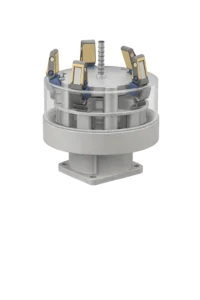
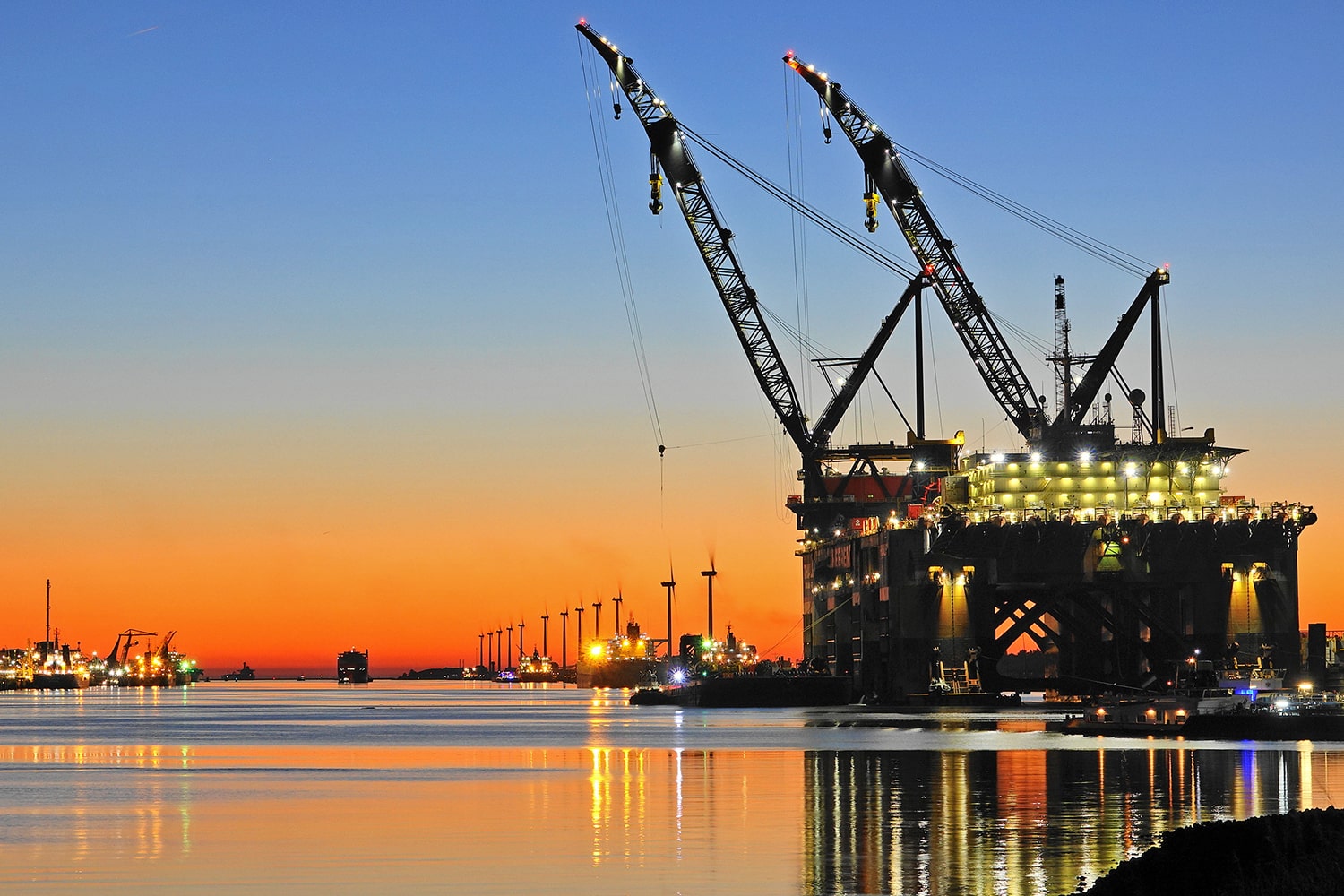
The funding will be used to set up and run a pilot at the Port of Rotterdam, which is the biggest seaport in Europe and the largest in the world outside of Asia. Volodin told Resilience Media that the pilot is planned to start in two years’ time, but they will be building as fast as possible. They have partnered with SwitcH2, a dutch company specialising in offshore ammonia solutions, for the pilot.
The partnership has a great origin story.
“We were in Tokyo [at an event] and they had a large prototype of their future ship, and we helped to carry it,” said Volodin. They’ve been helping each other since!
The funding round was backed by byFounders, Norrsken Evolve and Superangel. Grants from The Netherlands and Estonia make up €700,000 of the funding.
Volodin described the round as “exciting,” if unexpectedly challenging.
“Apparently I have very high pain tolerance,” he joked. “It was very interesting. I would say that [fundraising] is an art on its own.”
On the plus side, the company’s achievements in the lab to-date helped it generate inbound interest.
“We have never gone out to look for investors. Mostly we just kept [up] nice conversations, and investors also reached out to us,” he said. Its motivations, meanwhile, echo some of the other mission-driven efforts we’ve seen in climate tech, which has more recently evolved into a larger play for energy resilience.
“At the end of the day, we just want to help each other to bring something good into reality,” he said.
That being said, for now, more specific verticals within resilience such as defence are not specific targets at the moment for Spiral Hydrogen, not least because defence has been a hard nut to crack, even for many defence-specific startups.
“We would really love to get to that market as well,” he said. “[But] what we have seen [is] that the cycles might be even more slower and difficult, and so right now, we haven’t [gotten] into that market yet.”
Estonian hydrogen fuel cell solutions scale-up PowerUP Energy Technologies is a good example of a dual-use startup that is beginning to find traction in the defence market. Backed by Mercaton, ScaleWolf, and the SmartCap Green Fund, its portable hydrogen solution has already made its way to Ukraine’s frontline. (And you can read an op-ed from PowerUp’s CEO penned for us earlier this week here.)
Another use for bubble-less hydrogen is in space exploration. Less gravity means less buoyancy, which one needs to get those little pockets of air to rise to the top.
“Your bubbles would just stick on the surface of your electrodes, [meaning] all the typical electrolysers [would] work much worse,” Volodin said. The efficacy of Spiral Hydrogen’s bubble-less approach in space “was [an] accidental realisation,” he added. “This would fit for a moon mission pretty well.”
The funding and the new pilot are both paving the way for Spiral Hydrogen to expand its team. The startup is on the hunt for scientists and engineers.