French defence startup Egide has raised €8 million in seed funding to develop a new class of low-cost interceptors aimed at countering the growing threat posed by mass-produced drones, as Europe moves to adapt its defence posture to the realities of modern conflict.
The Paris-based company, founded in 2025 by former MBDA engineers Simon Calonne and Florian Audigier, said the round was co-led by Expeditions, Eurazeo, and Heartcore Capital, with additional backing from Galion.exe and Kima Ventures. The funding lands as policymakers and industry figures convene in Paris this week, where a focus will be how to scale Europe’s defensive capabilities.
Egide is going after a problem that’s become hard to ignore in Ukraine and elsewhere: expensive interceptor systems are being stretched thin by waves of cheap, adaptable drones.
“Low-cost drones are fundamentally transforming modern warfare,” said Calonne. “Systems designed to intercept a small number of high-value threats are now being confronted with large volumes of inexpensive and highly adaptable aerial systems.”
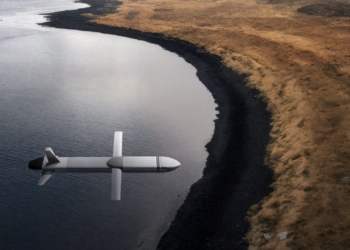
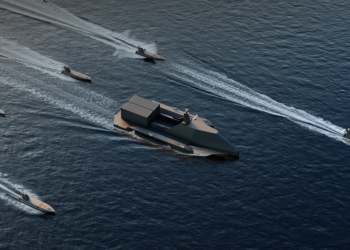
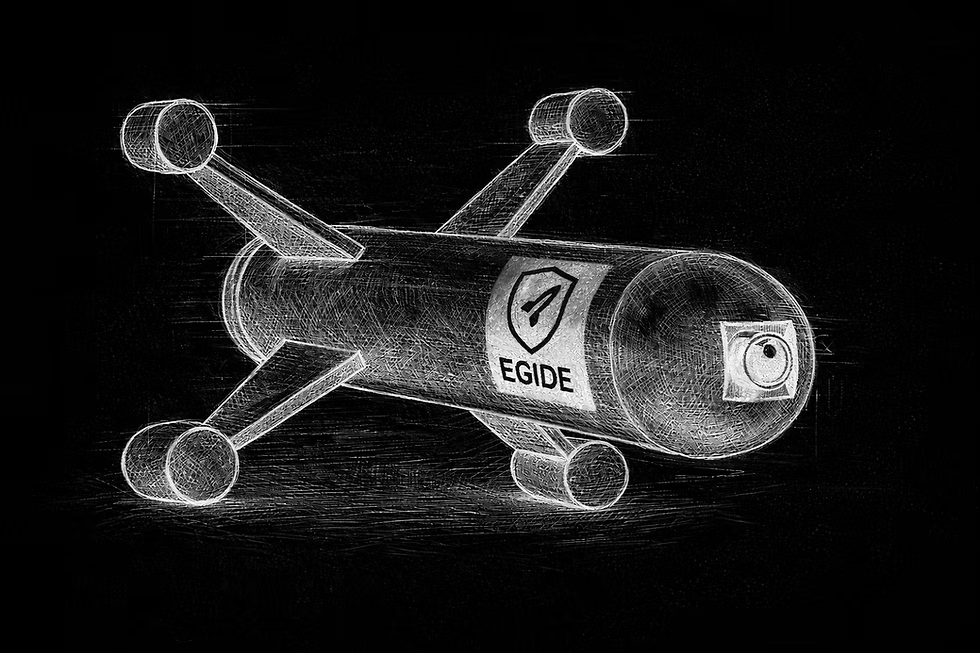
To address that shift, the startup is developing electrically propelled interceptors alongside Mystique, a “hardware-agnostic software platform that leverages distributed sensors, AI-driven detection and layered interception systems.” The aim is to create a more scalable, adaptable architecture that can operate across air, land and maritime domains while reducing both cost and integration complexity.
“At Egide we are building a new generation of scalable and affordable defence capabilities designed to meet this challenge,” Calonne said. “Our ambition is to build a European leader in mass-affordable interceptors capable of protecting forces and critical infrastructure against evolving aerial, sea and ground threats.”
Investors are framing the bet as part of a broader reset in Europe’s defence industrial base.
Dr Mikołaj Firlej, co-founder and general partner at Expeditions, said, “Europe is entering a decisive moment in the rebuilding of its security architecture,” pointing to the “unsustainable economics associated with legacy defence systems.”
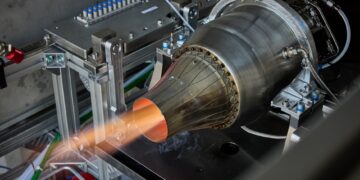
The new capital will be used to accelerate development of both the interceptor systems and the Mystique platform, while expanding Egide’s engineering team across key areas including electric propulsion, aerodynamics, and software. The company is effectively positioning itself at the intersection of software-defined defence and mass-producible hardware, a space that is drawing increasing attention from venture investors as NATO allies look to rebuild stockpiles and modernise capabilities at speed.