Estonia has unveiled plans for a new lab designed to test the next wave of defence technology, a facility that should help more cutting-edge ideas make their way into commercial production and military use.
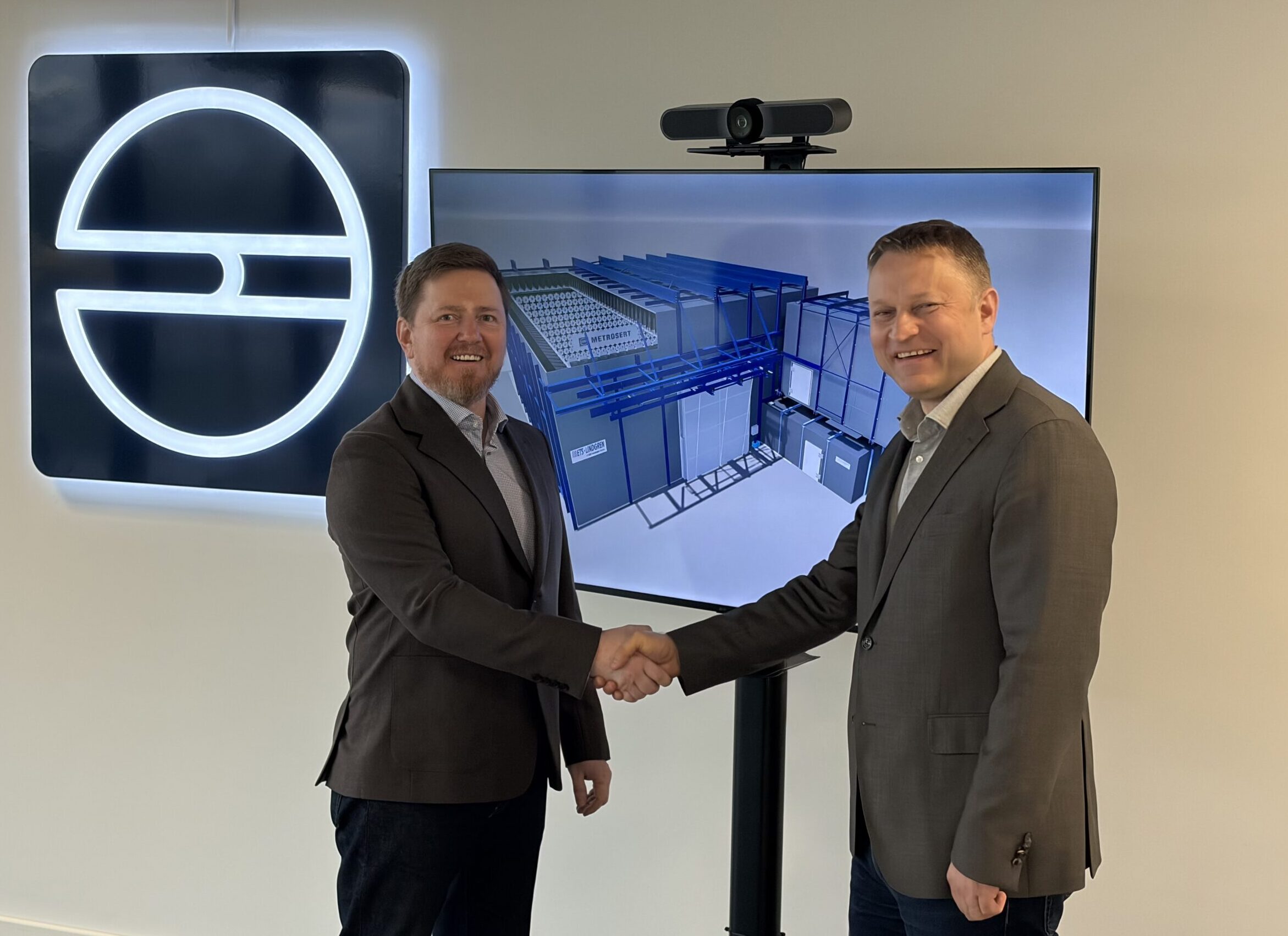
Metrosert, a research centre and home to the country’s metrology institute, said that the lab will be part of a new drone testing centre being built in the Haabersti area of Tallinn. The €7 million lab, funded by the Government and a Nordic Investment Bank loan, and the larger centre are expected to be completed in 2027 and open for use by Q3.
The lab’s arrival is coming at a significant moment in defence technology in Europe.
A wave of innovations is landing in the industry at the moment, such as new kinds of drones to evade electronic warfare. These are spurred not just by advances in areas like artificial intelligence and engineering, but also by what adversaries are building. (The lab will focus on “electromagnetic compatibility and radar cross-section (EMC/RCS)” — in other words the technology behind how radar visibility (or invisibility) and resilience to electromagnetic interference work.)
Yet across Europe, defence technology is facing a bottleneck: there are not enough facilities for prototype and device testing — essential steps for getting any hardware and software to the next stages of their development and production.
The waitlist for testing in existing labs in Europe can be as long as two years, said Rainer Kivimäe, the head of Mertrosert’s Drone Technologies Unit. EMC/RCS testing labs are “heavily overbooked across Europe,” he said.
To that end, he said that the lab fills a gap in drone testing in Estonia and the Baltics, as well as across Europe more widely. “This new capability will help ease that bottleneck and significantly accelerate the transition of developed prototypes into real industrial production,” Kivimäe added.
Metrosert’s new drone technologies testing centre will be aimed at defence sector developers, both those making drones and those manufacturing large-scale systems. It is designed to support developers throughout the full drone testing cycle from “lab to field”, including compliance with international standards and full traceability of measurements.
The centre will include a drive-in climate chamber lab, ingress protection lab, climate and vacuum/low-pressure chambers, materials lab with corrosion chamber, HALT/HASS accelerated life testing lab, vibration and acoustics laboratory, and an electronics lab supporting other facilities.
The aim may be European, but Kivimäe told Resilience Media that he believed the testing centre could have a significant impact on the Estonian defence tech sector specifically since it would shorten the development cycle on home soil.
The contract for the EMC/RCS laboratory was awarded to a consortium consisting of ETS-Lindgren Oy from Finland and March MicroWave Systems B.V. from the Netherlands.