
France has accused Iran’s Islamic Revolutionary Guard Corps (IRGC) of carrying out cyberattacks that disrupted refrigeration systems at hundreds of supermarkets and food businesses, causing widespread food losses and fires in what officials have described as an unprecedented act of sabotage.
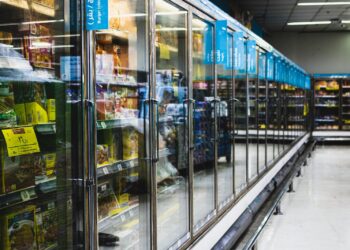
The attacks, which took place on 11 and 12 October, saw hackers remotely manipulate temperature controls on commercial fridges and freezers, in some cases raising temperatures from below -20 degrees Celsius to more than 50 degrees Celsius. Around 700 French establishments were affected, including supermarkets, butchers, and food-processing facilities.
Thousands of tonnes of food were reportedly destroyed, while at least 15 fires broke out after refrigeration equipment overheated. The financial damage could run into tens of millions of euros.
In a statement, the French foreign ministry said: “This is an unprecedented campaign in terms of its scale and level of aggressiveness, thus constituting the first cyber offensive campaign carried out purely for the purpose of sabotage on national territory.”
France has summoned Iran’s ambassador over the attacks and is pushing for European sanctions against those responsible.
A joint investigation involving France’s national cybersecurity agency ANSSI, military cyber command and intelligence services identified the perpetrators as Shahid Kaveh, an offensive cyber unit linked to the IRGC. Investigators cited evidence including Farsi-language material, Iranian IP addresses, and digital infrastructure previously associated with the group.
French prosecutors are also getting involved. They’ve opened an investigation into the group’s leadership and are seeking international arrest warrants for three suspects.
Shahid Kaveh has previously been linked to the CyberAv3ngers hacking group, which has targeted critical infrastructure in the US, including water utilities. The French attacks mark another example of the group targeting operational technology, with the disruption extending beyond IT systems to cause physical damage and significant financial losses.
The French authorities also identified attempts to compromise Schneider Electric equipment at several small hydroelectric facilities, although the resulting disruption was limited.
The attribution follows another wave of refrigeration attacks across Europe, affecting businesses in at least 11 countries, including the UK, Belgium, Ireland and Sweden.
Three French blood storage facilities were also targeted, with attackers attempting to raise temperatures and alter defrost settings. Staff detected the changes through alarm systems and disconnected the affected equipment before blood products were damaged.
Authorities have not established whether the same group carried out these more recent incidents.