CesiumAstro has secured $470 million in Series C capital to scale the manufacturing and deployment of space-based communications systems for government and commercial customers.
The raise includes $270 million in equity led by Trousdale Ventures, with participation from Woven Capital, Janus Henderson Investors, Airbus Ventures, the Development Bank of Japan, MESH, and NewSpace Capital. An additional $200 million financing package was provided by the Export-Import Bank of the United States and J.P. Morgan under the “Make More In America” initiative.
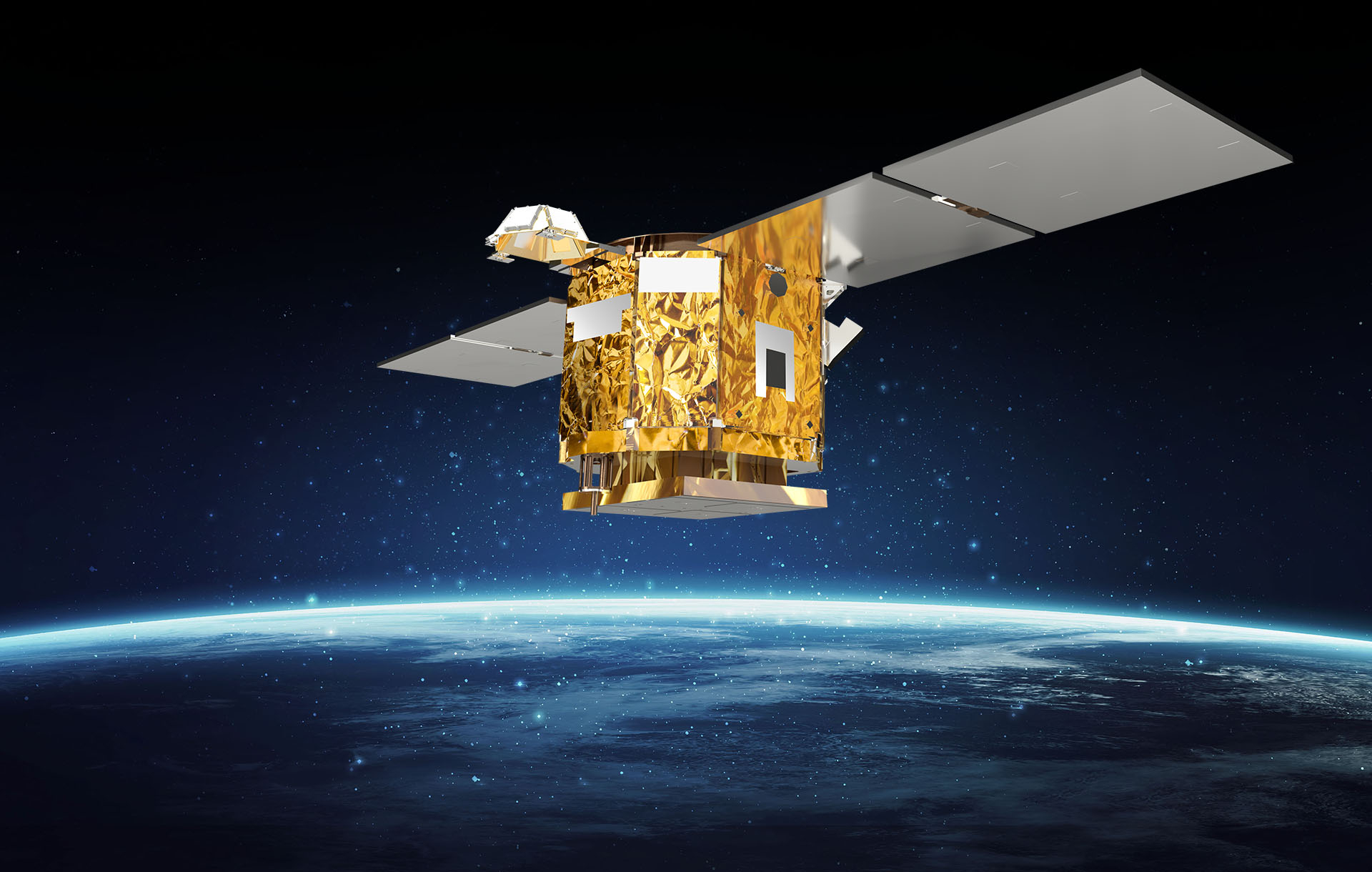
The company said the capital will support construction of a new 270,000 square foot headquarters near Austin, expanded manufacturing capacity, and faster deployment of its software-defined satellite communications platforms. CesiumAstro also plans to increase production of Element, its fully integrated low Earth orbit satellite, and expand engineering and program teams in the US and abroad.
“This is a scale moment,” said Shey Sabripour, Founder and CEO. “Our technology is moving from breakthrough to American Industrial backbone. This funding lets us deliver resilient, AI-enabled communications to ‘connect, detect and defend’ at global scale—faster.”
Founded in 2017, CesiumAstro develops communications payloads, satellites, and onboard computing systems used in proliferated space architectures. The company supplies hardware and software for defense and civil space programs.
“CesiumAstro embodies the kind of enduring innovation we look for—engineering excellence with the discipline to deliver hardware over hype,” said Phillip Sarofim of Trousdale Ventures. “We’ve backed the company across multiple rounds because this team isn’t chasing headlines—they’re building a forever company. Over the past year alone, CesiumAstro moved from announcing its first fully integrated satellite to securing eight SpaceX rideshare launches, accelerating on-orbit validation. Their momentum and maturity set them apart.”
Clearly, space-focused startups are particularly interesting in the United States and Europe as Ukraine faces an onslaught of Starlink-powered drones. By controlling more of the ground-to-air communications systems via satellite, modern defence companies can offer security and safety without risking jamming or shutdowns.