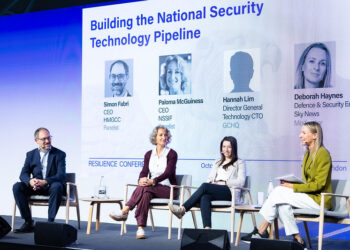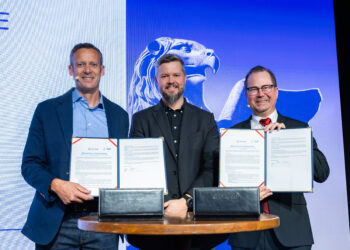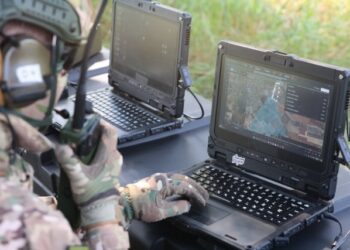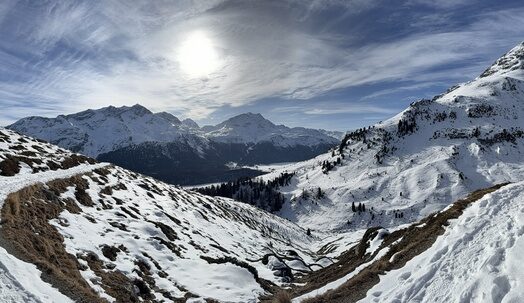
Last week, Davos dominated the headlines with what some might call a chaotic circus centred around Donald Trump. Further into the Alps, in St Moritz, a small group of leading academics, military leaders, investors, and founders gathered for a retreat convened by Lakestar, one of Europe’s leading venture capital firms. Lakestar’s portfolio includes companies like Auterion, the drone software startup that raised €130 million in one of Europe’s largest defence rounds last year and Twentyfour Industries, a new Munich-based drone startup that recently emerged from stealth.
With many of the attendees either leaving Davos as Trump landed, or bypassing it altogether and coming straight in from Zurich, the group met in St Moritz to focus on collaboration to strengthen the defence of NATO, something of a counter-balance to what was happening 73km north.
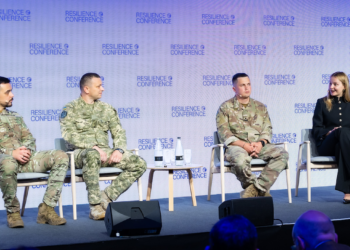
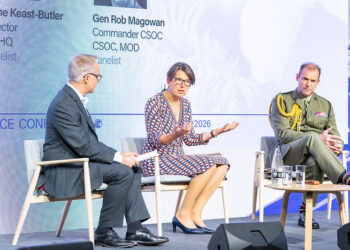
The group of invited guests included former generals and government ministers, professors, and experienced entrepreneurs and investors. They came from Ukraine, the UK, Germany, Italy, Denmark, the USA, Japan, Switzerland, Finland, and Spain. The Lakestar team, advisory board, and LPs were joined by other fund managers who have co-invested in some of Europe’s leading defence tech companies. Lakestar has now invested in 20 of the top 25 companies in this sector.
The dark clouds over Davos could be felt in the beautiful mountains of St Moritz. The urgency was evident when the Ukrainian guests said that this was the first time in two weeks they had been able to use hot water. Sitting in a beautiful hotel in the Alps, grated up against friends, they explained what life is like in Kyiv, the city they were due to fly back to after this break from air raids, power cuts, and freezing temperatures.
That sense of mission and purpose, always instilled in our Ukrainian friends, kept the group focussed on why we were there and how much this all matters.
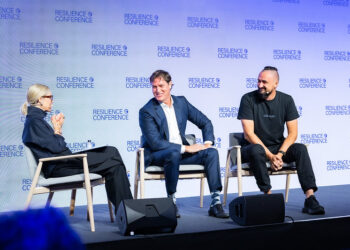
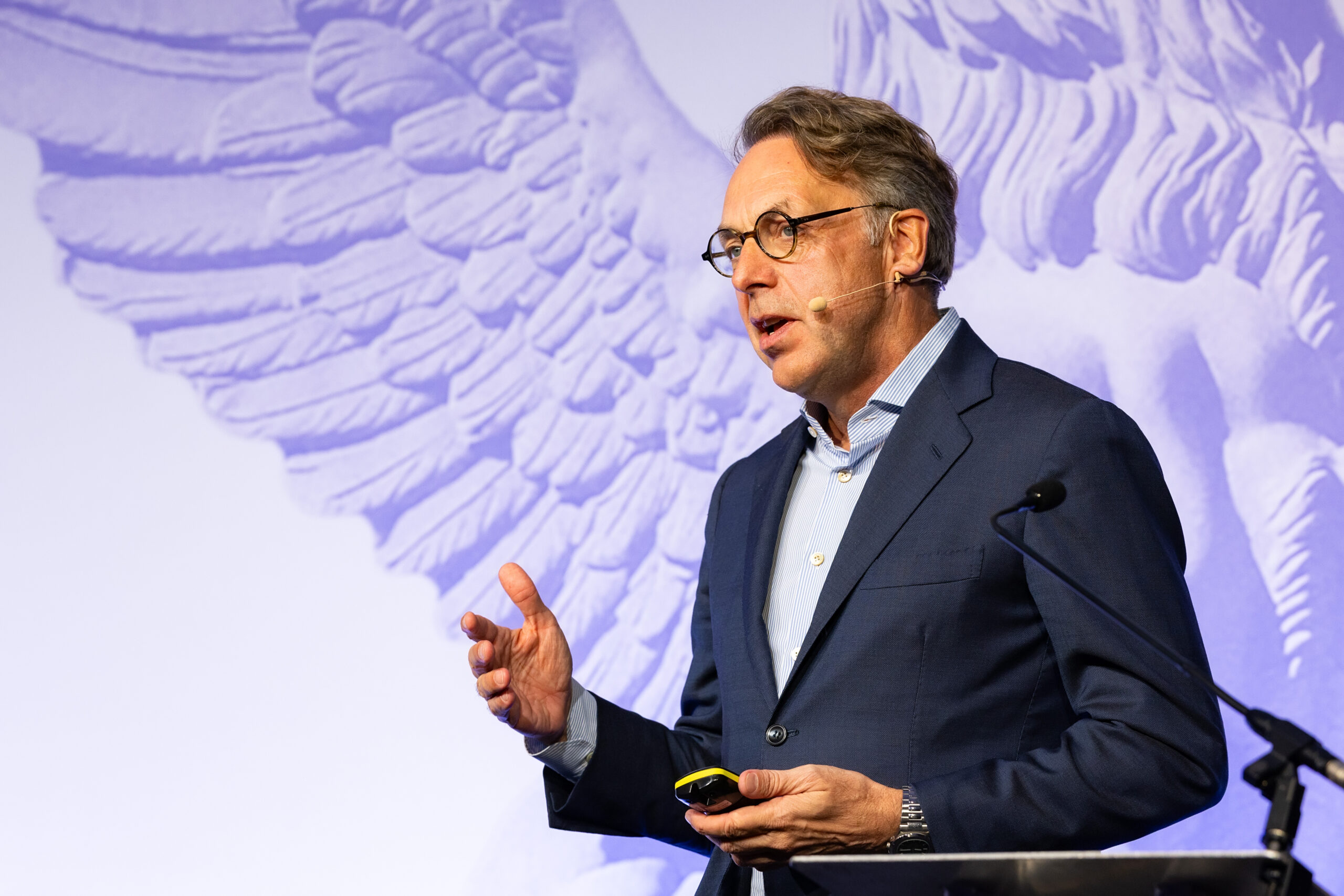
At the opening dinner, Lakestar founder Klaus Hommels made a clear and impassioned speech to the assembled guests. He opened by explaining,
“We no longer live in a world where technology is neutral. And we no longer live in a world where geopolitics is someone else’s problem.’ He went on to argue that ‘many European founders still hope to remain neutral. Neutrality sounds elegant. Neutrality feels safe. But in a fragmented world, neutrality is often only temporary.’ In security-relevant domains, if you don’t position yourself, others will position you.”
Hommels reflected on the past investment cycles in which Lakestar has been a leading investor. He pointed out that in consumer tech, the mantra was ‘move fast and break things.’ But in defense, the rule is different: “Move fast — but never break trust.”
He ended by telling the guests,
“We are entering an era in which technological superiority once again directly determines security, freedom, and prosperity. Europe cannot afford for its best founders to build in isolation from that reality…innovation must never be disconnected from responsibility.”
The focus was on the founders of defence tech companies — many well known, but plenty you will not have heard of yet. Over a private dinner, the founders introduced themselves to the room. Many talked about their technology and their market, but several simply said they were in stealth, could not say much, and sat back down. In this new defence tech market, secrecy is no longer about bravado and teasing, it is rooted in security and geopolitical complexity.
Whilst European governments are finally but slowly waking up to the threat we face in this new unstable world, the tech sector has moved fast to deploy significant capital into startups that are reshaping defence at the speed of the tech sector. These were companies with tens and hundreds of millions of investment rapidly building weapons, defensive technologies, and complex software platforms to support defence and security. The founders were not kids with ideas; they were invariably very experienced entrepreneurs, often on their second or third business, former military leaders, and scientists.
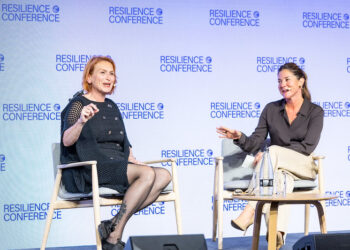
Over the course of the three days, the founders, investors, policymakers, and military leaders took meals together, hiked, and went skiing. The hotel lobby was filled with clusters of familiar and new faces seated on sofas and chairs, drinking coffee, talking, connecting, sharing. This is how you build ecosystems, allowing people the time to talk, and to develop trust and a shared vision.
Breaking bread and taking walks are the age-old ways we connect, and being isolated out in the mountains of St Moritz helped create the time and focus needed to help scale these important companies. The startups will be making news throughout the year, with collaborative investments bringing new and urgently needed technologies to market. We look forward to hearing more from those founders who were not yet able to talk about their work, and will be bringing those stories to the ecosystem as they develop.