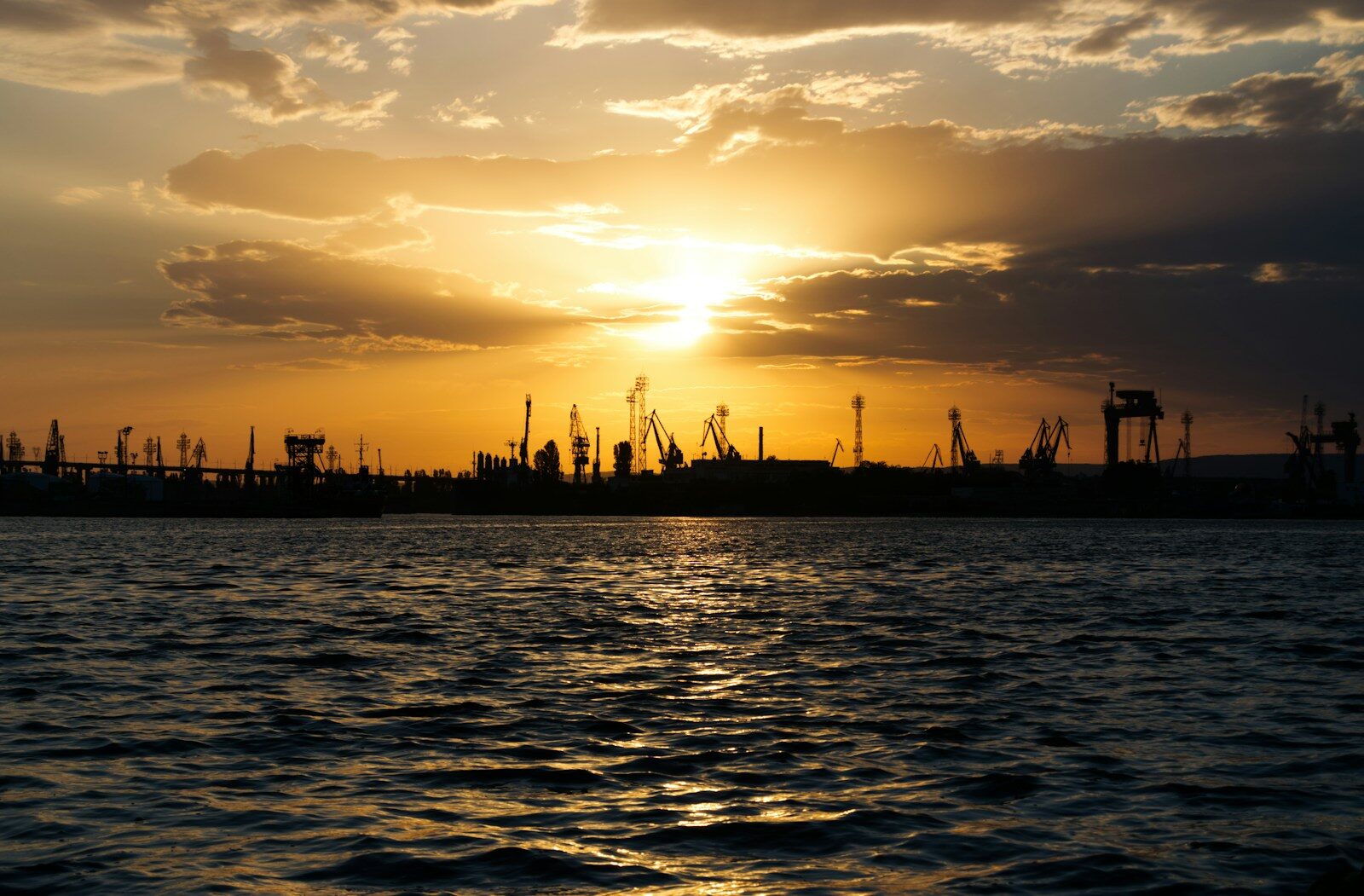
The European Union has pledged €70 million to strengthen Black Sea security following a series of deadly drone attacks on commercial vessels near Romania and Bulgaria. The funding includes €50 million to accelerate the establishment of a joint maritime security hub operated by the two NATO members, with an additional €10 million each for Romanian and Bulgarian search-and-rescue capabilities.
“Black Sea security is European security,” said European Commission President Ursula von der Leyen in a speech on 10 November in the port town of Varna, Bulgaria. “We have witnessed together this year and specifically in the last month an increase in the number of threats, attacks and incursions into Bulgaria, which is EU territory…. Now, drones are sinking commercial ships, setting vessels ablaze and killing civilians. Lives are lost at sea, navigation is disrupted, and the cost of insurance is skyrocketing. And the intention of these attacks is clear: Russia wants to spread fear and uncertainty in Europe. We know the playbook. And we are building resilience against it.”
At least nine cargo vessels were struck by naval drones off the two countries’ coasts in October, killing dozens of sailors, according to Reuters. Romanian authorities have attributed the attacks to Russia. Moscow denies involvement.
The Black Sea Maritime Security Hub, first proposed under the EU’s May 2025 Black Sea strategy, is intended to strengthen maritime situational awareness and early warning.
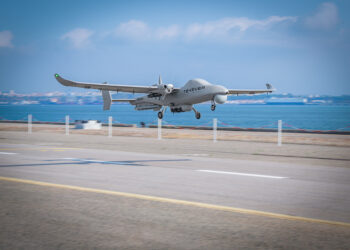
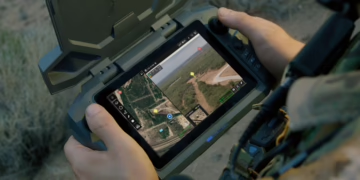
The strategy calls for surveillance capabilities incorporating satellite imagery, underwater sensors, remotely piloted vessels and aerial, surface and underwater drones. These systems would monitor commercial shipping and critical maritime infrastructure.
Von der Leyen said the EU could immediately provide additional surveillance support through its Copernicus satellite imagery program — adding that image downloads had doubled since September.
The initiative comes alongside a new tranche of €20 billion in defence financing for EU Member States under the Security Action for Europe (SAFE) program. A previous SAFE-related allocation had set aside loans of up to €3.3 billion for Bulgaria and €16.7 billion for Romania.
At the speech in Varna on November 10, Von der Leyen called for the initiative’s rapid implementation, saying that EU officials and their Romanian and Bulgarian counterparts had agreed to establish clear completion timelines.
“We need it now,” she said.
The initiative also has implications for Ukraine, whose maritime export routes depend on freedom of navigation in the Black Sea. The strategy envisages extending information-sharing services to Ukraine and other regional partners. Von der Leyen stressed that securing the waterway was essential not only for European trade but also for Ukraine’s economy and global food security.
The Commission has not announced a firm date for the hub to become operational. Detailed procurement plans and the extent of Ukraine’s eventual participation also remain unclear.