Timing accounts for a lot in business.
Such was the case for Swarmer, a startup out of Ukraine that develops software for drones and other autonomous systems. This week, the company went from respected (but largely unknown outside of Ukraine) developer of autonomous software to one of the most successful IPOs in the last year, the first public listing ever of a defence tech company out of Ukraine.
After offering its IPO at $5 per share, shares rose nearly 520% in Swarmer’s first day of trading on the Nasdaq Global Market (focused on international mid-market companies). As of market close Thursday, Swarmer’s share price was $52.55, representing a rise of nearly 1,000%. Its market cap on paper is now more than $650 million.
Those numbers are inevitably going to shift significantly over time — pops and flops at IPO don’t typically indicate long-term performance — but a closer look at what happened here is an interesting window on where Ukraine defence technology is sitting with investors at the moment, and what might come next.
Swarmer’s decision to IPO
Significantly, it was only six months ago that the company raised a $15 million Series A. It was looking to raise the same amount again for hiring, business development, and to develop new technology.
On the new tech front, Swarmer is currently in a quiet period until mid-April and declined to comment for this story, but its S-1 filing points to something coming up.
“Swarmer is approaching a significant new product release that builds directly on its combat-validated foundation, extending its capabilities while preserving platform agnosticism,” notes Erik Prince, the company’s non-executive chairman, in an introductory note on the filing. He doesn’t provide any timeline or other specifics for this new product.
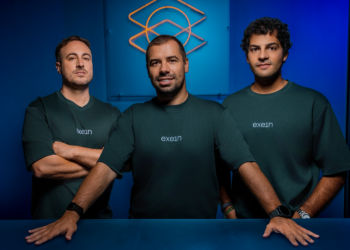
Deborah Fairlamb, a partner at Swarmer investor Green Flag, told Resilience Media that the startup had always planned to raise its next money by way of a listing. That was a by-product of its lead backer in the last round, Broadband Capital, which invested with the intention of taking it public to raise more funds later.
This makes some sense. Tapping public interest in backing Ukrainian defence tech may well have been seen as easier than the ongoing challenges of a Ukraine startup sourcing capital from VCs nervous about both the risks of investing in a war zone with uncertain outcomes and timelines; and where corruption allegations have been a recurring theme.
The plan originally was to list in early January, Fairlamb said.
“But it got delayed because when the US government shut down last fall, the SEC was closed, so they weren’t reviewing documents. So that pushed everything back.”
It was then supposed to launch in February — which happened to be just ahead of the US carrying out its first surprise attack on Iran. Instead, the SEC sent through questions on documents, which further delayed the listing, which then got bumped a few more weeks.
From delay to lucky break
Of course, in the interim, everything else happened.
The US and Israel kicked off a major conflict in Iran. And stories started to emerge about the role Ukrainian startups could play — and were playing — to help with fighting. Namely, these companies had active experience in countering Iranian Shahed drones, which were being used extensively by Russia against Ukraine, and now by Iran across the Middle East.
Enter Swarmer’s IPO and an opportunity to back a Ukrainian defence tech right when Ukrainian defence tech companies were seeing a surge of demand.
“It was one of those strange cases when you think that it’s a problem that the IPO was delayed, but no, it actually worked out for everybody’s benefit in the end,” Fairlamb said.
The US listing was run through the SEC, and that conferred an additional seal of approval on a sector that remains relatively new, as well as on a region that has been struggling to raise money from international investors.
As a point of context, Swarmer’s $15 million Series A is a relatively modest sum in a defence tech climate where some individual companies (namely out of the US and Europe) are raising multiple hundreds of millions or even billions of dollars. Yet Swarmer set a record, at the time of its fundraise, for being the highest-ever round raised by Ukrainian defence tech startup.
Another point of attraction for public investors: those who predicted that Ukraine’s defence tech would rise above that are reaping some benefits.
At the time of the Series A, Mykhailo Fedorov was Ukraine’s minister of digital transformation. It’s a title that sounds a little like it was thought up by McKinsey or Accenture, but despite that, he was playing a significant role in how the country — a veritable David — was engaging with tech to build its defence against the Goliath of Russia. He called the significance of the Swarmer Series A, which he described as “historic.”
“The message for the investors is to make sure that they invest in defence, because this is going to be market number one,” he said in the interview in December with Resilience Media.
Shortly after that, Fedorov was tapped for a much bigger, more exposed role. He is now the country’s minister of defence.
Fairlamb, an American living in Kyiv, said her phone has been ringing off the hook this week, not just with the usual run of startups looking for funding, but now also VCs looking to get in on investing in Ukraine and portfolio companies also wanting to explore the possibility of IPOs.
“I spent 12 years working on Wall Street. This is just mind blowing for me in the context of the reception that this has received and the attention startups from the country are getting,” she said. “If you look at the macro environment, people have been talking about Ukraine for the last three weeks after everything that’s happening in Iran.”
Swarmer has a track record
Swarmer’s traction is not only because of geopolitical timing. The company is just shy of two years old, but between its first deployments in April 2024 and now, it claims to have been used in more than 100,000 “real-world” active combat missions.
The company has benefitted from having strong inroads to military units and being one of the companies to profit from a symbiotic relationship. Defence tech companies want to connect their products with active users to drive better iterations of the product and to make money. Active users (the military units) need better and more advanced technology to keep an edge over their enemies.
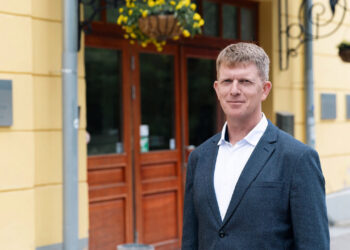
“The very significant thing that happens in Ukraine is that brigades can actually use their money to purchase experimental drones, solutions, jammers, whatever else,” CEO and co-founder Serhii Kupriienko (pictured below) said on a Resilience Media panel last autumn. “It makes a huge difference…it’s a survival question [but also] startups get real revenue and the real responsibility… It’s real delivery. You either build or die.”
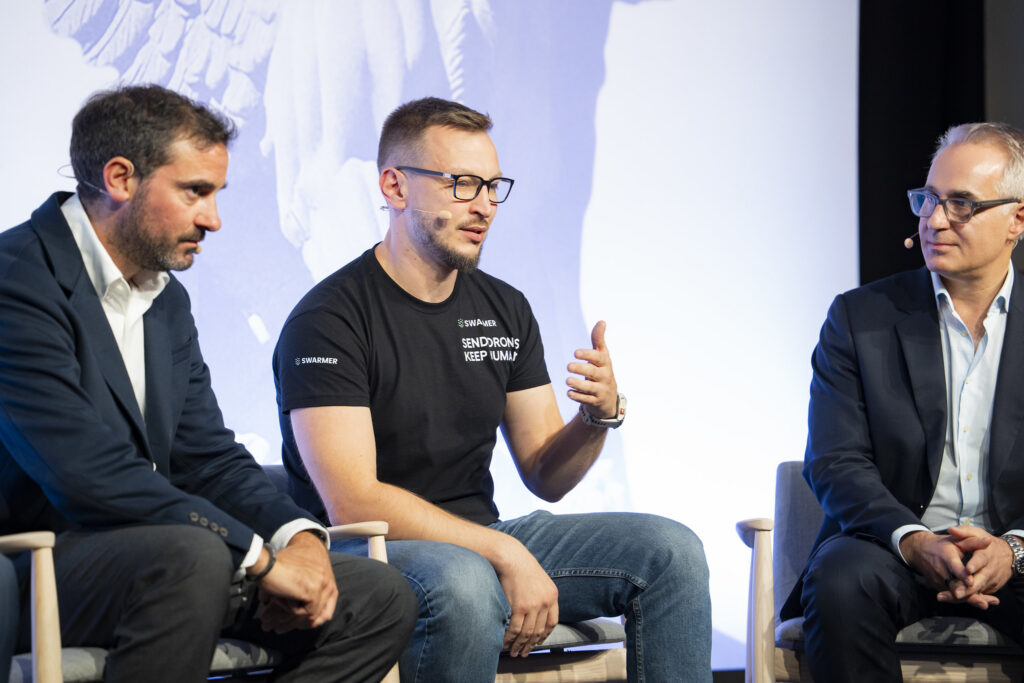
He added that being in the same place physically and mentally as those units means that sometimes he has directly had angry calls from soldiers. In his words:
“Your shit doesn’t work,” they’ve barked. “Fix it.” And they have to.
(Side note: Kupriienko also made an interesting point on that panel about speed of adoption in Ukraine compared to larger countries that are not at war, a question that others are raising. “If Ukraine can do this in an active battlefield, why can’t the Bundeswehr or the UK military do this?” he asked.)
On top of all this, Swarmer is building autonomous software, which means it’s using artificial intelligence. This translates to the value being more than just business deals: it’s critical training data.
Swarming around swarms
Swarmer was a well known name in Ukraine in part because of what it was building and where it was being used, but also because it was one of the few startups that was raising its head above the parapet in a climate where some of the biggest players in defence tech in Ukraine don’t have websites, marketing, nor any kind of public profile at all.
Part of Swarmer’s product arsenal includes ideas that are not deployed, either because they haven’t been invented, or they’re not being used.
“We do not have autonomous systems at the frontline just yet,” Kupriienko told Resilience Media at a defence tech forum organised by Brave1, the Ukrainian startup incubator that wrote the first check for the company.
There are different reasons for this shortcoming, Kupriienko continued: insufficient investment, but also a reluctance to bring in fully autonomous kill chains.
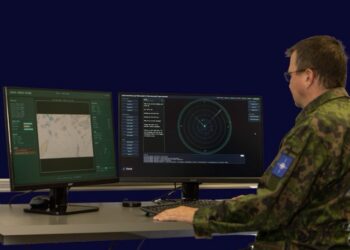
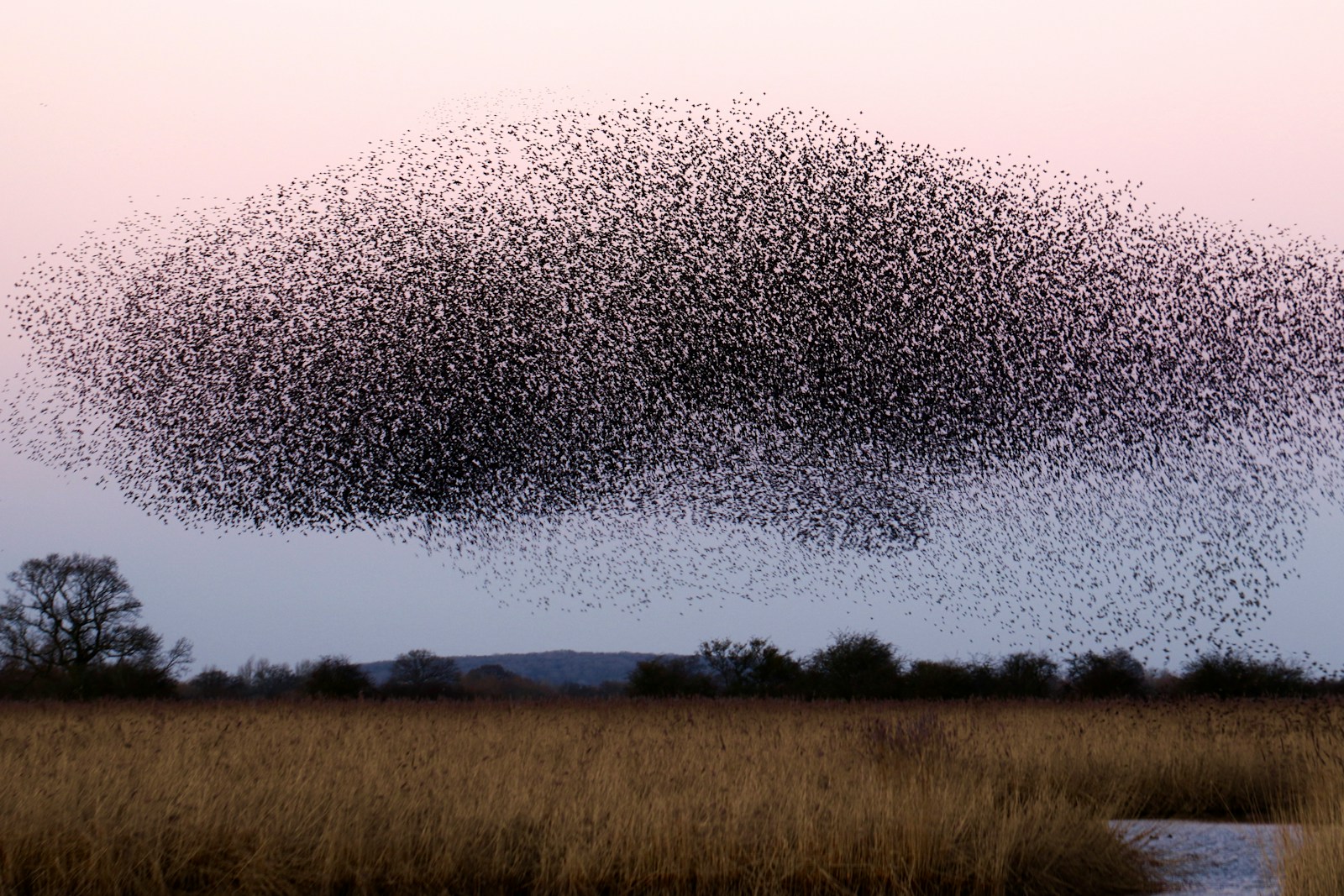
However, Swarmer has also been building and deploying something else worthy of its name. Drones deployed in swarms — where many work in concert against a target — has become a common battle tactic, and the Ukrainian military from early on has been using Swarmer’s software to power its drone swarms against Russian forces.
Although Swarmer claims to avoid commoditisation by staying out of the drone hardware business, it’s far from being the only startup that has focused just on the software layer. Auterion, for example, is also focused on software and has also banked a lot on the ability to help direct swarms of drones effectively.
“It’s in the same class but I don’t know if it’s always straight-up competition,” Fairlamb said of the other companies building software for drones. “Actually, there is potential for collaboration there.”
Buy now, pay later?
There are some other caveats to what Swarmer has built in addition to competition and commoditisation, and it’s not clear how they will play out longer term. For a publicly-listed company, the biggest of those has to do with revenues.
The sales that Swarmer has made to date will likely be for equipment to supply Ukrainian units, who work closely with suppliers. As Kupriienko has pointed out, to match the urgency of the situation, and to account for the fact that very new technology does not always work perfectly so might need faster replacing, these units are given some direct power in how they buy in supplies.
In some cases, that process gets sped up even faster. In a Darwinian twist, units that are successful in their engagements destroying Russian targets get bigger budgets to buy more, he said.
But those sales are starting small and don’t have a lot of transparency around them. Also they do not appear to be fully complete — that is, they are not translating to money in the bank.
The S-1 filing indicates that Swarmer made only around $300,000 in 2025 and that “substantially all” of its revenues in the last two years came from a single company, Smart Machinery Solutions. The Kyiv-based business is one of the bigger drone companies to have emerged in the last couple of years, according to research from Poland’s Centre for Eastern Studies.
Swarmer claims to have “firm commitments” for payments for system deliveries over the next 12 to 24 months, totalling a much bigger sum, $16.3 million, although it does not specify who those buyers are. It added that it anticipates additional sales of $16.8 million based on an MOU “with certain of our existing customers” although, again, it does not specify which.
The money it says will materialise in the future is conditional.
“We expect to recognize approximately 60% of the aggregate total as revenue during 2026, with the balance expected to be recognized in 2027 and early 2028, subject to customer acceptance milestones, delivery schedules, and funding availability,” it notes.
This situation points to a longer chain of money that will ultimately depend on the Ukrainian government paying suppliers. Ukraine itself meanwhile is perpetually raising funding and securing loans with other countries to finance the war to the tune of hundreds of billions of dollars.
It’s looking for ways to offset that with its own resources. In the tech arena, Ukraine is building a way to share training data for third parties building AI, but that too could end up reducing the competitive edge that Ukrainian companies have.
Observers (and Swarmer investors) appear to remain confident that all will come good.
“The government of Ukraine has absolutely been following through,” Fairlamb said of the flow of capital that eventually comes to defence companies. “They understand that Ukraine standing or falling, and remaining sovereign, depends on the technology that is being used. I have not come across any instances in the Ukrainian ecosystem where there have been questions about being paid by the government.”
There has been ongoing procurement reform in the country taking what had been carried out on paper (and ripe for corruption and mistakes) and digitising it to make it more transparent and efficient. That’s been critical for startups stepping up to build tech for defence, Fairlamb pointed out.
“These companies can’t wait a year for governments to pay.” And that, combined with how Swarmer performs, will likely give us an idea of whether to expect more IPOs from the war-torn country.