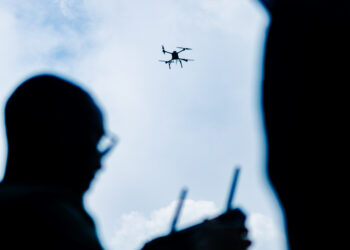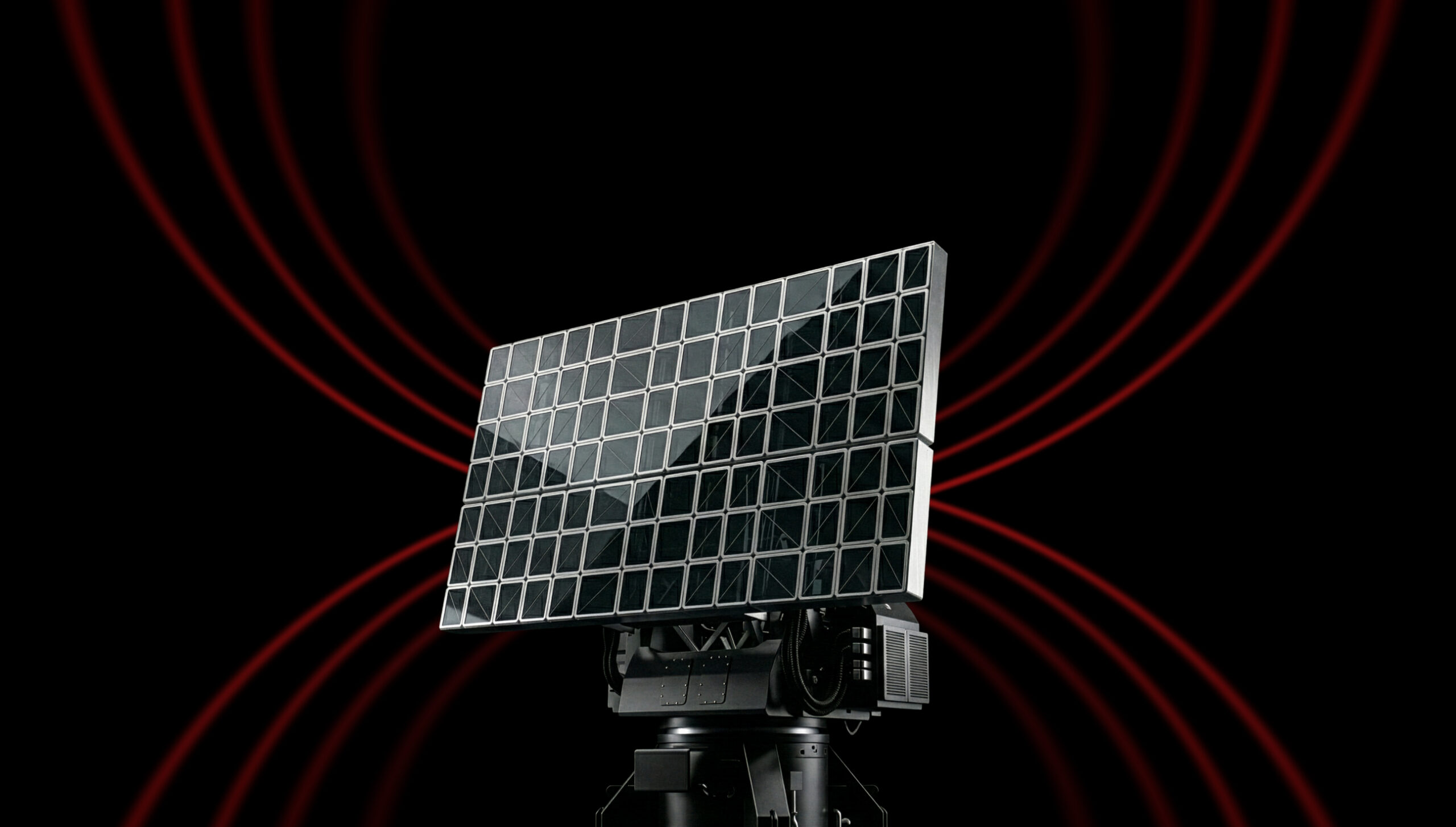
Polish-Ukrainian defence technology company Molfar Defence Technologies has secured the first tranche of a €2 million funding round as it works to develop radar systems designed to detect micro-drones and small unmanned aerial vehicles operating in contested environments.
The company announced that Swedish defence investor Front Ventures has committed €1.5 million as the lead and first institutional investor in the round.
The funding will be used to continue the team’s development plan and to integrate their system into real-world systems.
“We are thrilled to welcome Front Ventures as our first investor and partner in Molfar Defence Technologies,” said Maks Dzherikhov, Molfar co-founder and CSO. “Their backing is an important milestone in our ambition to build a new radar layer for modern air defence. Molfar was created to give defence units earlier visibility against micro drones and small UAVs. We are building tactical radar systems that can be deployed close to the units that need them and scaled across real defence environments.”
Molfar is developing tactical radar systems intended to detect and track low-flying drones that often evade traditional air defence networks. These drones are often made from off-the-shelf components or are completely OEM, which means they are mostly plastic with some metal parts. The funding will be used to expand the company’s engineering team, strengthen radar and signal processing capabilities, and support field testing in Ukraine and NATO member states in order to catch these simple UAVs before they deliver their payloads.
The company is also opening an office in Ukraine, placing its engineers closer to what has become one of the world’s most important places for drone warfare. Molfar said the move will allow it to work more closely with Ukrainian military units already involved in testing and validating the technology.
The rise of small drones has exposed weaknesses in conventional air defence systems, many of which were designed to track larger aircraft and missiles rather than low-cost autonomous platforms flying at low altitude. Given the current ability to create swarm attacks with OEM, retail drones, the importance of Molfar’s technology is clear.
The company says its systems are designed to remain effective in adverse weather conditions and complex electromagnetic environments, while reducing the likelihood that the radar itself can be detected and targeted by an adversary.
Front Ventures said the investment reflects growing demand for technologies capable of countering increasingly sophisticated drone threats.
“Improving visibility and detection of smaller drones will be a very important addition to the new multilayer air defence system that has been created in recent years in Ukraine,” said Jonas Malmgren, chief executive of Front Ventures.
For Molfar, the next phase will focus on validating its systems in operational conditions and preparing for larger-scale deployments, with Ukraine serving as both a proving ground and a source of continuous feedback for future development.