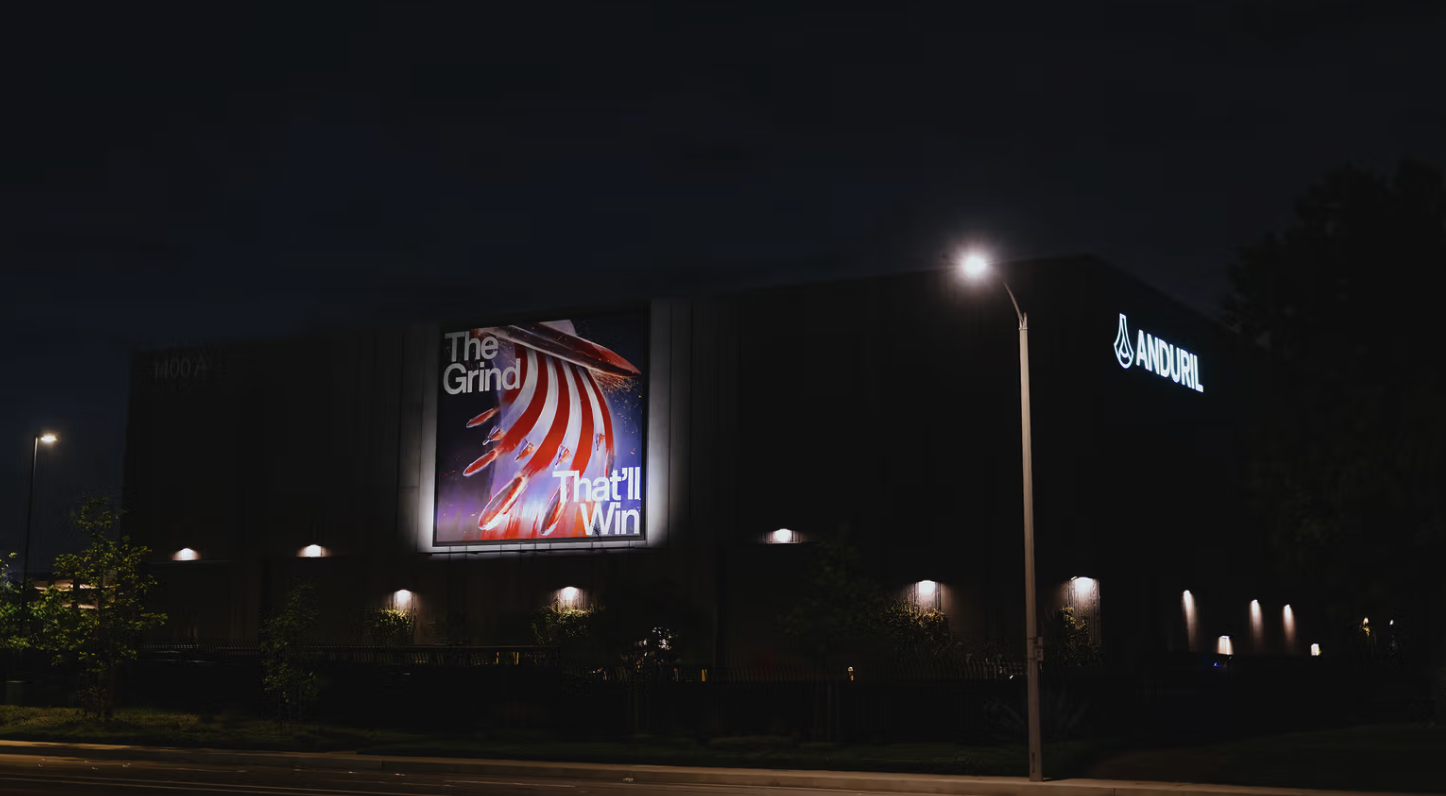
Defence startup Anduril Industries has pulled in a $5 billion Series H round at a $61 billion valuation, marking the largest defence tech raise of the year as investors continue piling into companies promising to modernise Western military capability before the next geopolitical crisis arrives.
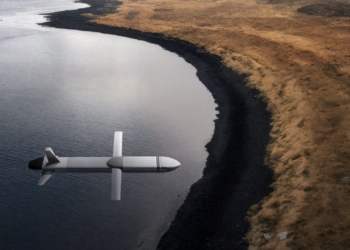
The funding round was led by Thrive Capital and Andreessen Horowitz, and comes as Anduril aggressively expands production capacity for autonomous systems, software-defined defence infrastructure, counter-drone technology, and long-range strike systems.
Chief executive Brian Schimpf said the raise reflected a broader shift in how investors now view defence technology companies.
“When we founded Anduril in 2017, defense was not a category that attracted significant venture investment,” Schimpf wrote. “That has changed meaningfully over the last several years.”
Schimpf said investors increasingly recognise “the scale of the technological and industrial challenges facing the United States and its allies” and are backing companies they believe can move faster than traditional defence contractors.
The company said the new capital will be used to continue investing “aggressively in manufacturing capacity, research and development, and the infrastructure required to build and field advanced defense systems at scale.”
Alongside the funding announcement, Anduril published a lengthy investor letter outlining its view that future conflicts will be defined less by small numbers of expensive platforms and more by mass-produced autonomous systems, software-enabled targeting, and industrial-scale manufacturing capacity.
“The defense industrial base that must respond to these challenges was designed for fundamentally different conditions,” the company wrote, arguing that Cold War-era procurement models built around “low-rate production of exquisite platforms over multi-decade timelines” are no longer fit for purpose.
The letter repeatedly referenced rising tensions with China and warned of a “window of maximum danger” approaching around 2027, a timeframe that has become increasingly common in US military and policy discussions around Taiwan.
Anduril also argued that “production capacity itself” must now be treated as a strategic asset, warning that modern conflicts could rapidly exhaust missile and munitions stockpiles if Western industry cannot scale output quickly enough.
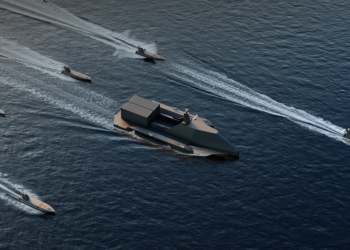
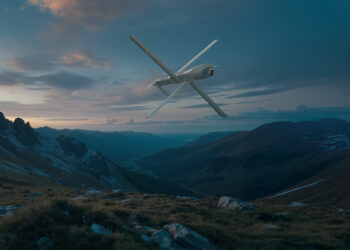
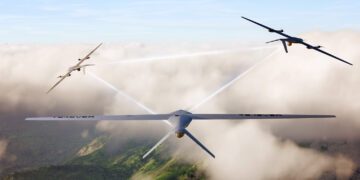
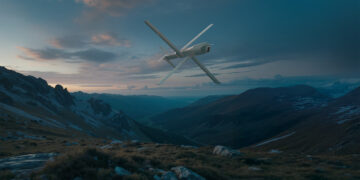
The company has spent the past several years positioning itself as an alternative to traditional prime contractors by combining autonomous systems with software platforms, such as its Lattice command-and-control system. It has expanded rapidly across air defence, autonomous aircraft, undersea systems, surveillance infrastructure, and counter-drone technology.
According to Schimpf, the company more than doubled revenue to $2.2 billion in 2025, nearly doubled its workforce, delivered its first international programme of record for the Royal Australian Navy, and transitioned more developmental systems into production over the past year than ever before.
The raise is another sign that defence technology has become one of the hottest categories in global venture capital after years of investor hesitation around military programmes. European defence startups are also attracting enormous sums, with German drone and AI company Helsing reportedly targeting an $18 billion valuation as investors continue pouring money into autonomous systems, defence software, and AI-driven military infrastructure amid rising geopolitical tensions.