Estonia has begun deploying its first fixed drone detection and monitoring systems along its Russian border as the Baltic state continues to strengthen its defences against aerial incursions linked to the war in Ukraine.
The goal is to cover all of Estonia’s eastern border by the end of the year using stationary and electronic devices that will monitor the border around the clock.
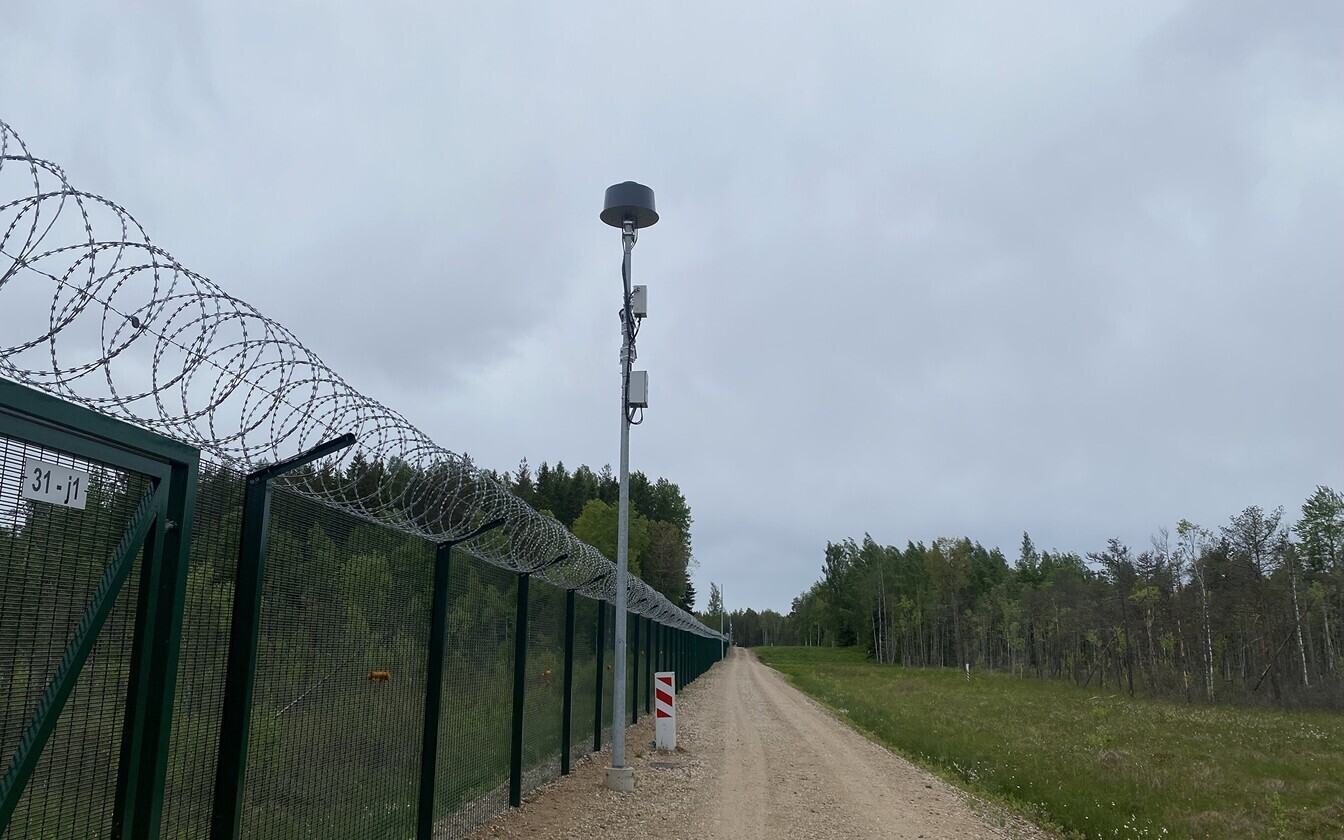
The systems have been installed across three sections of the border between the Luhamaa crossing and the tri-border area where Estonia, Latvia, and Russia meet. Additional installations are planned later this year as part of a broader effort to create a nationwide drone monitoring network.
“We are working toward establishing a drone network that covers all of Estonia,” Interior Minister Igor Taro said in a statement announcing the deployment. The ministry also added a number of mobile radar systems that can be moved along the border to shore up defenses. According to Estonian state media outlet EER, the fleet cost €1.3 million while the first anti-drone systems cost €300,000 thus far.
The move follows a series of drone-related incidents across the Baltic region. On 19 May, a suspected Ukrainian drone entered Estonian airspace before being shot down by a Romanian F-16 operating as part of NATO’s air policing mission. The incident highlighted the growing challenge posed by drones operating near alliance borders and reinforced concerns about the spillover effects of the conflict in Ukraine.
Taro said the recent events validated Estonia’s investments in counter-drone capabilities.
“Our eastern border is well protected, and improving our capabilities to counter drones increases the sense of security for all of Europe,” he said.
Estonia is not alone in facing the issue. Lithuania and Latvia have also reported multiple drone incursions in recent months, with several aircraft believed to have originated from operations connected to the war in Ukraine. The incidents have intensified discussions across the region about airspace security, early warning systems, and the need for stronger counter-drone defences. Poland also saw one reported incursion last year.
Latvia has installed 1.5-tonne barriers along its Russian border and a longer network, called the Baltic Defence Line, should be complete by 2028.
“Today we are only seeing the first stage on the southeastern border, where we have anti-drone detection and surveillance capabilities in operation. This must cover the entire land border. At the end of June, we will also open the first stage in the Narva area. Ultimately, we must have the entire eastern border covered with anti-drone capabilities, not just the eastern border, but in fact all of Estonia,” said Minister Taro.
The Baltic states have increasingly called for greater NATO support in air defence as drone technology becomes a growing factor in European security planning. At the same time, tensions with Moscow continue to rise. Russian officials have accused Estonia, Latvia, and Lithuania of supporting Ukrainian strikes against targets inside Russia, allegations the Baltic governments dismiss as disinformation.
For Estonia, the deployment marks another step in adapting border security to a battlefield where small, inexpensive drones have become a persistent strategic concern. The planned expansion of the monitoring network suggests Tallinn sees drone detection not as a temporary wartime measure, but as a long-term component of national defence infrastructure.