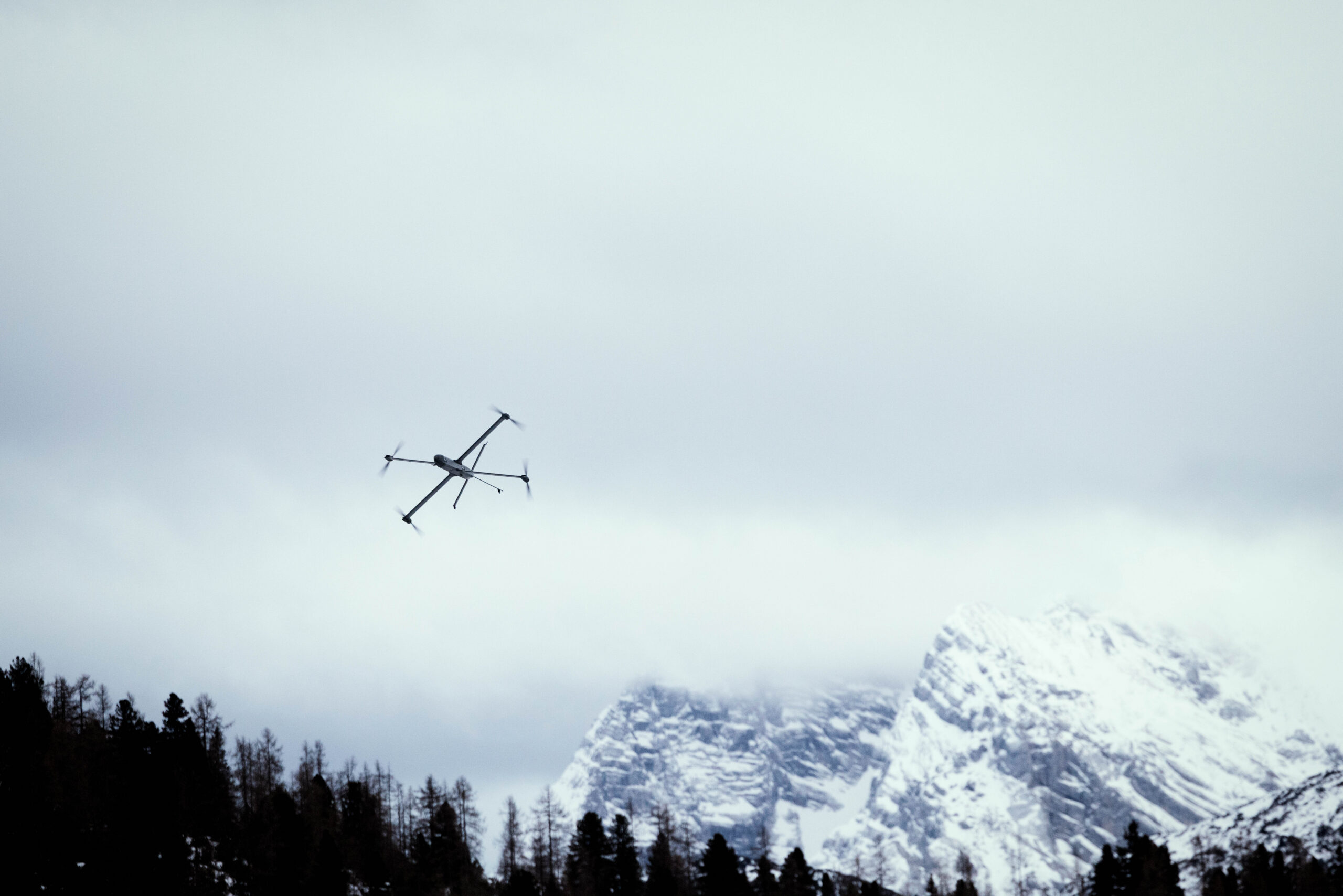
Germany is preparing to introduce loitering strike drones into frontline service after awarding contracts to two venture-backed defence startups linked to technology billionaires Daniel Ek and Peter Thiel, in deals that could be worth as much as €4.3 billion.
Munich-based Helsing and Berlin-based Stark Defence have each secured initial contracts worth €269 million to supply so-called kamikaze drones to the Bundeswehr, according to procurement documents submitted to Germany’s parliamentary budget committee and obtained by the FT.
The agreements include options that could expand Helsing’s contract to €1.46 billion and Stark’s to €2.86 billion, although it’s not yet known why Stark’s programme carries the higher potential ceiling. The number of drones being purchased has also been redacted from the documents.
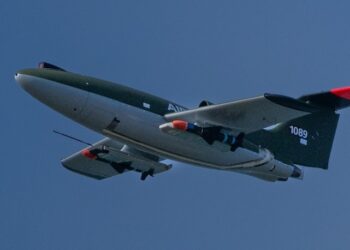
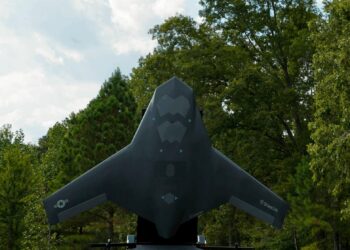
Helsing, backed by Spotify founder Ek, will supply its HX-2 loitering munition, while Stark, backed by US investor Thiel, will provide its larger Virtus drone. The procurement marks Germany’s first major deployment of explosive-armed unmanned systems and forms part of a broader push to equip Berlin’s new brigade stationed in Lithuania, where NATO is reinforcing its eastern flank in response to Russia.
Both contracts include “innovation clauses” requiring suppliers to continuously deliver upgraded versions of their technology, reflecting defence planners’ attempts to keep pace with the rapid evolution of drone warfare demonstrated in Ukraine.
However, the programmes have come under scrutiny for their performance during trials and combat testing. Stark reportedly failed to hit a target during two separate tests involving British and German forces, although the company described the setbacks as part of the normal development cycle for emerging systems. Helsing has also faced criticism following reports that HX-2 drones struck targets five times in 14 deployments in eastern Ukraine.
Germany’s chief of defence, General Carsten Breuer, said during a visit to trials late last year that he was satisfied with the drones’ performance, according to the FT.
Both Stark and Helsing have been expanding their industrial and operational ecosystems ahead of anticipated demand. Stark recently acquired AeroMass Technologies, a specialist focused on building supply chains for defence equipment manufacturing, in a move aimed at scaling production capacity as orders increase. Helsing, meanwhile, has been building partnerships to integrate its software and AI targeting systems more closely into battlefield command networks, including a collaboration with Danish defence software firm Systematic.
The contracts remain subject to Bundestag approval, with lawmakers expected to decide on the procurement shortly. Germany’s defence ministry and procurement agency did not comment.