Germany is expected to formally announce its strike-drone deal with defence startup Stark and Helsing on Thursday, sources tell Resilience Media, with parliamentary committees set to sign off on the contract after weeks of behind-the-scenes scrutiny.
Berlin’s defence and budget committees are expected to approve the previously reported agreement on Wednesday ahead of a formal signing on Thursday, the sources said. The headline figures — €269 initially each for Stark and Helsing, with options to expand these respectively to €2.86 billion and €1.46 billion, pending production and other conditions getting met – are understood to remain unchanged.
The contracts are expected to be announced as Berlin begins to lean more heavily on venture-backed defence companies to move projects forward more quickly. Other companies that are in contracts with the German government include Tytan Technologies, which makes drone interceptors.
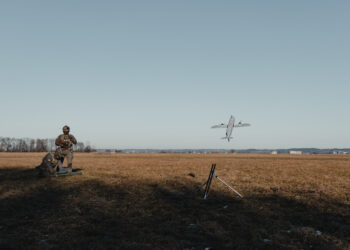
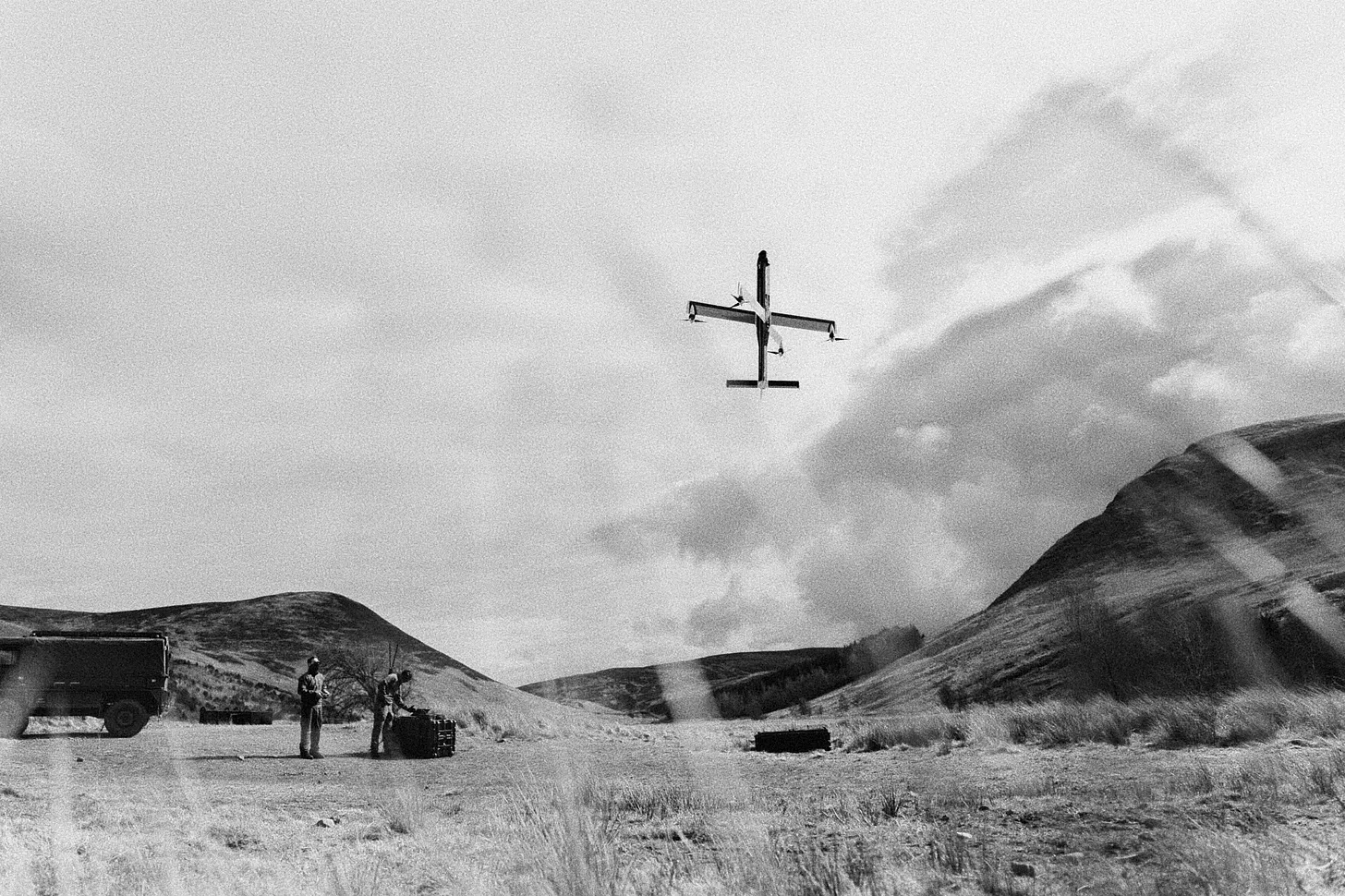
Stark will provide its Virsus drone, and Helsing will supply its HX-2 loitering munition, according to earlier reports, as part of Germany’s push to equip Berlin’s new brigade stationed in Lithuania, where NATO is reinforcing its eastern flank in response to Russia.
Sources said qualification will begin as soon as the contract is signed, with officials aiming to have the systems in service before the end of 2027. Once that process is complete, production and deliveries are expected to ramp up.
Germany’s push to move forward with the procurement has not been without hurdles. Both Stark and Helsing have faced reports in recent months questioning how well their equipment is performing in hitting intended targets.
It will be interesting to watch how that issue evolves. Both companies’ contracts with the German government include “innovation clauses” that will require suppliers to continuously deliver upgraded versions of their technology. On one hand, this reflects defence planners’ attempts to keep pace with the rapid evolution of drone warfare demonstrated in Ukraine. On the other, ‘bleeding edge’ in technology may play differently on the battlefield.
The other big hurdle in this deal has been more corporate but could have also delayed if not derailed the programme. What could be the country’s first large-scale strike-drone purchase drew criticism over the involvement of tech investor Peter Thiel, a Stark shareholder, prompting defence minister Boris Pistorius to request clarity on his level of influence before the contract could proceed.
The criticism centred on Thiel’s role as a co-founder of the US data analytics firm Palantir, his comments about democracy, and his alleged past association with the disgraced financier Jeffrey Epstein. Thiel owns less than 10% of Stark, but that stake is understood to have no voting rights.
Separately, reports say Stark has recently reached unicorn status with a new, as-yet unannounced, funding round, underscoring strong investor appetite for Europe’s emerging defence technology sector as demand for autonomous and precision-strike capabilities continues to grow. Helsing last year catapulted to a valuation of €12 billion after raising €600 million in funding.