Monday 24 August, 2026
[email protected]
Resilience Media
  • News
    • Events
    • Interview
    • Startups
    • Venture
    • Weekly Digest
  • Resilience Conference
    • Resilience Conference London — Oct 2026
    • Resilience Conference Copenhagen — May 2026 (PAST)
    • Resilience Conference Warsaw — Apr 2026 (PAST)
  • Launch
  • About
  • Guest Posts
    • Author a Post
  • Subscribe
No Result
View All Result
  • News
    • Events
    • Interview
    • Startups
    • Venture
    • Weekly Digest
  • Resilience Conference
    • Resilience Conference London — Oct 2026
    • Resilience Conference Copenhagen — May 2026 (PAST)
    • Resilience Conference Warsaw — Apr 2026 (PAST)
  • Launch
  • About
  • Guest Posts
    • Author a Post
  • Subscribe
No Result
View All Result
Resilience Media
No Result
View All Result

IQM, the quantum startup from Finland, plans US listing on Nasdaq at $1.8B valuation

A SPAC merger with Real Asset Acquisition Corporation will bump up the quantum computing company's cash assets to $450M

Ingrid LundenbyIngrid Lunden
February 23, 2026
in European Defence, News, Startups, Venture
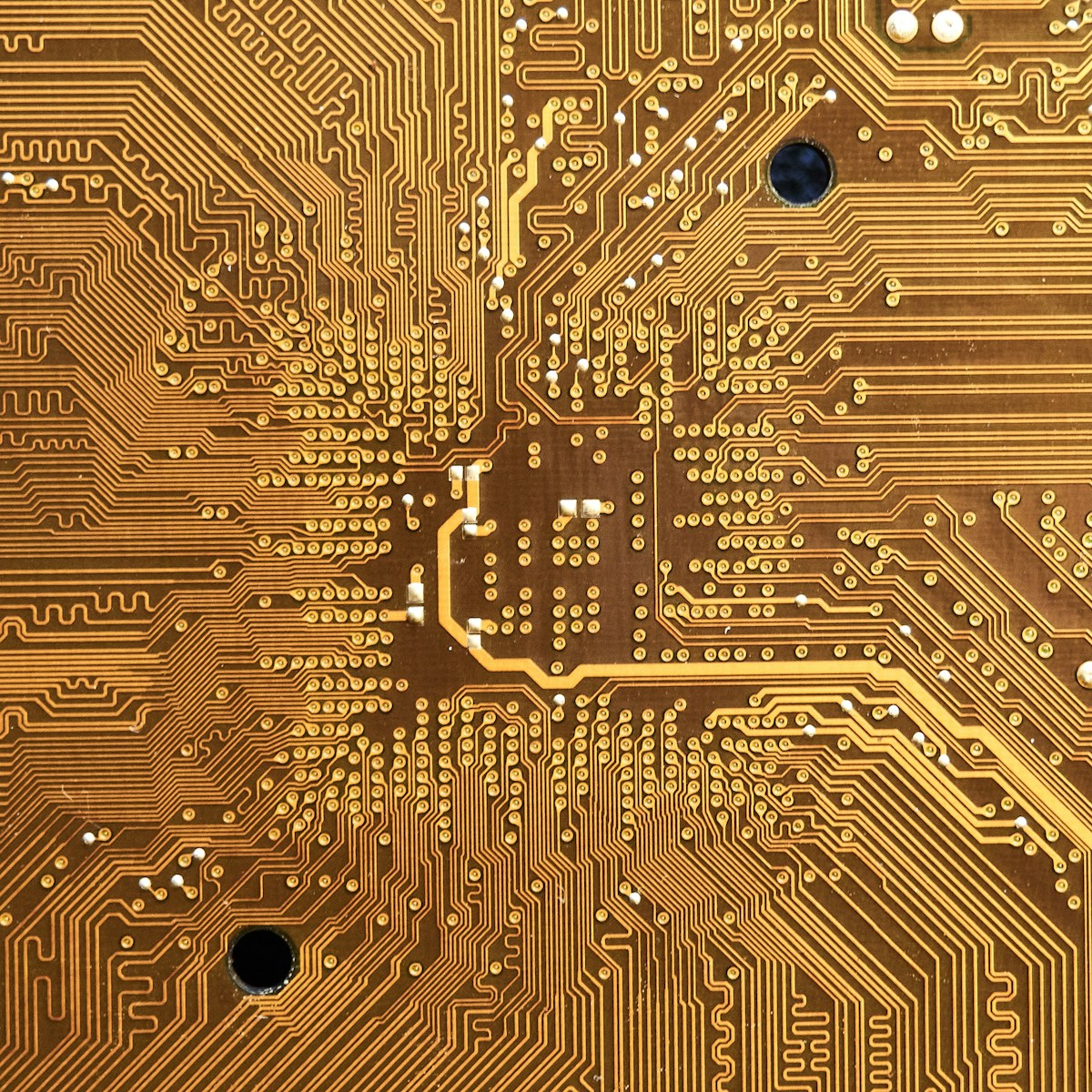
brown and black abstract painting
Share on Linkedin

IQM, the Finnish startup that has raised more than $570 million over the years to fuel its big ambition of building the world’s first scalable quantum computer, is kicking off a new scaling chapter of its own. 

You Might Also Like

Inside Resilience Conference: Where Defence Tech Meets the Press

Oshen raises $5M to scale autonomous ocean robots for defence missions

Arkenstone talks about the most boring parts of military manufacturing

Today, the company announced that it will be going public, in the US, by way of a SPAC deal. The Real Asset Acquisition Corporation, a blank check company that listed on Nasdaq last year, plans to merge with IQM. 

The deal will value IQM at $1.8 billion, the companies said — a bump up from the $1.2 billion valuation it achieved last year when it raised $320 million. This will make IQM the most valuable quantum business in Europe, and the first one from the region to move to a public listing. 

European startups moving operations to the US has to scale has been a regular issue in the region, with each move seen as an erosion of tech sovereignty. But although IQM’s listing is in the US, IQM said it plans to remain a Finnish company headquartered in Finland, according Jan Goetz, IQM’s co-founder who took on the role of “sole” CEO last month.

(Co-founder Mikko Välimäki, who previously shared the role with Goetz, is transitioning out of the company by the end of March, remaining an adviser.)

Goetz also said that the company is also considering listing in Finland alongside Nasdaq in the US. 

As with other SPACs, IQM’s deal is a move to give it more cash to continue building, since while quantum computing remains in the realm of deep tech, the race to build it requires equally deep pockets, and IQM made just $35 million in revenues last year.

The merger and listing will give IQM a cash balance of $450 million: $175 million from RAAC (which will get a 10% share of the company); a PIPE loan of $134 million “from leading new and existing and institutional investors” (which will close with the business combination, subject to conditions); $24 million in exercised IQM warrants; and IQM’s existing cash, which was $172 million at the end of 2025. And once it’s listed, IQM will potentially be able to use that status to raise more.

The deal has already had the unanimous approval of both IQM and RAAC boards, the pair said, and is expected to close in June 2026.

The volatile state of quantum computing

IQM is positioning the listing as a power move, but it also underscores the volatile state of quantum computing (pun intended). 

There are a number of companies and organisations racing to build fully operational quantum computing infrastructure, which holds the promise of being able to perform calculations and research beyond what any computer can achieve today. Nobody has managed yet to figure out how to keep current quantum systems from falling over after mere minutes of sustained use, but national security organisations are worried of the risks that would arise if adversaries achieve this feat before their allies do. 

This has created a race among countries, as well as a very regular and active stream of funding being channeled into a variety of approaches and aspects of quantum computing, in aid of what effectively continues to remain a deep tech challenge. 

“Quantum advantage” therefore has become not just the ability to build a quantum computer that works better than a present-day supercomputer, but the ability to build systems that are quantum-safe — that is, hardened against quantum advances, in case those advances come from nefarious agents — as well as the ability to fund those efforts.

IQM has been one of the startups at the receiving end of financial largesse. Its funding rounds have included heated tranches of over $100 million and $300 million over the years from a list of nearly 30 investors that include, per PitchBook data, Ten Eleven Ventures, Tencent, OurCrowd and 55 North. (These are all staying on board: IQM said that its existing shareholders “will not sell any shares or receive any cash consideration as part of the transaction and all material IQM shareholders have committed to a customary lock-up agreement at close of this transaction.” We are asking the company if Tencent remains an investor and how that would work in the event of the US listing.)

Yet as with other quantum computing, AI and other technoloy companies, IQM hasn’t — yet? — made back the large amounts of money it has raised from investors. The company said it expects to make $35 million in revenues for FY 2025, with $100 million in bookings for the future (it’s unclear, however, how many years that forward figure covers).

Part of its attraction nevertheless has been its traction.

IQM says that it has sold 21 systems to 13 customers to-date, including what it says are four out of the top 10 supercomputing centres globally. They include the Leibniz Supercomputing Centre (LRZ), VTT Technical Research Centre of Finland, Jülich Supercomputing Centre (JSC), Oak Ridge National Laboratory, Cineca in Italy, and Taiwan Semiconductor Research Institute (TSRI). Partners of the company include Nvidia, HP and T-Systems. It also claims to have built more than 30 quantum computers, as well as its own data centre and chip foundry. 

“IQM has built and delivered more on-premises quantum systems than any other competitor — to some of the most demanding research institutions on earth,” said Peter Ort, CEO and co-chairman of Real Asset Acquisition Corp, in a statement. “This transaction will accelerate the growth of a company that has already earned its position in the field, with real customers, running real quantum systems, today.”

While IQM has been a poster child for European digital sovereignty, it has also been one of the voices beating the drum for quantum computing as a real business rather than theoretical opportunity.

“We built IQM from the beginning for one purpose — to put working quantum computers in the hands of the people who will use them to solve real problems. Not someday. Now,” said Goetz in a statement. “Quantum computing is a science project no more. It is an industry where customers own, operate, and build on advanced quantum computers. That’s what IQM makes possible.”

Tags: FinlandIQMquantumquantum computingSPAC
Previous Post

Dispatch from Ukraine: Trust but verify

Next Post

Tytan raises €30M for drone defence, sources say at a ~€150M valuation

Ingrid Lunden

Ingrid Lunden

Ingrid is an editor and writer. Born in Moscow, brought up in the U.S. and now based out of London, from February 2012 to May 2025, she worked at leading technology publication TechCrunch, initially as a writer and eventually as one of TechCrunch’s managing editors, leading the company’s international editorial operation and working as part of TechCrunch’s senior leadership team. She speaks Russian, French and Spanish and takes a keen interest in the intersection of technology with geopolitics.

Related News

Inside Resilience Conference: Where Defence Tech Meets the Press

Inside Resilience Conference: Where Defence Tech Meets the Press

byTobias Stone
August 24, 2026

At Resilience Media, a founding part of our mission was to inform the wider tech sector and society about the...

Oshen raises $5M to scale autonomous ocean robots for defence missions

Oshen raises $5M to scale autonomous ocean robots for defence missions

byCarly Page
August 24, 2026

Plymouth-based robotics company Oshen has raised $5 million to ramp up production of its autonomous ocean robots as demand grows...

Arkenstone talks about the most boring parts of military manufacturing

Arkenstone talks about the most boring parts of military manufacturing

byJohn Biggs
August 24, 2026

The future of warfare may depend on drones, AI, autonomous systems, and weapons that barely existed a few years ago....

Weekly Digest: Spiderweb to Minister of Defense

Weekly Digest: Spiderweb to Minister of Defense

byLeslie Hitchcock
August 21, 2026

Good afternoon from Resilience Media. One month after the ouster of the popular Mykhailo Fedorov, the Ukrainian parliament approved the appointment of Yevhenii Khmara as Minister...

UK-based Tiberius begins formal testing of its Invictus missile

UK-based Tiberius begins formal testing of its Invictus missile

byJohn Biggs
August 20, 2026

Tiberius Aerospace, a company whose Chief Strategy Officer is former Nest and Apple engineer Andy Baynes, is moving its Invictus...

Yevhenii Khmara takes over Ukraine’s Defense Ministry in wake of Fedorov turmoil

Yevhenii Khmara takes over Ukraine’s Defense Ministry in wake of Fedorov turmoil

byLuke Smith
August 20, 2026

Ukraine has a new defence minister: Yevhenii Khmara, formerly a leader in the country’s security and intelligence service, has now...

A close up view of a blue and black fabric

Callosum raises $100M to build an alternative to winner-takes-all in AI

byIngrid Lunden
August 20, 2026

Neural networks, a model for building computing that mimics what we understand about how the brain works, has long been...

GALLOS Technologies raises £35M to expand defence tech portfolio

GALLOS Technologies raises £35M to expand defence tech portfolio

byCarly Page
August 20, 2026

UK defence and security investor GALLOS Technologies has raised £35 million to build and back more companies working across national...

Load More
Next Post
Tytan raises €30M for drone defence, sources say at a ~€150M valuation

Tytan raises €30M for drone defence, sources say at a ~€150M valuation

Frankenburg has raised up to $50M at a $400M valuation, say sources

Frankenburg confirms €30M funding to build more EU-made rockets

Top stories

A close up view of a blue and black fabric
News

Callosum raises $100M to build an alternative to winner-takes-all in AI

August 20, 2026
Terra bags $22M more to build out Africa’s first defence prime
News

Nigeria’s Terra raises $18M, opens an office in London and facility in Ghana

August 17, 2026
GALLOS Technologies raises £35M to expand defence tech portfolio
News

GALLOS Technologies raises £35M to expand defence tech portfolio

August 20, 2026
UK-based Tiberius begins formal testing of its Invictus missile
Drones & UAS

UK-based Tiberius begins formal testing of its Invictus missile

August 20, 2026

Resilience Media is an independent publication covering the future of defence, security, and resilience. Our reporting focuses on emerging technologies, strategic threats, and the growing role of startups and investors in the defence of democracy.

  • About
  • News
  • Resilence Conference
    • Resilience Conference Copenhagen 2026
    • Resilience Conference Warsaw 2026
    • Resilience Conference 2026
  • Guest Posts
  • Subscribe
  • Privacy Policy
  • Terms & Conditions
  • Mission Statement & Code of Practice
  • Press

© 2026 Resilience Media

No Result
View All Result
  • Home
  • About
  • Subscribe
  • Events
  • Guest Posts
  • Interview
  • News
  • Resilience Conference London 2026
  • Resilience Conference Copenhagen 2026
  • Resilience Conference Warsaw 2026

© 2026 Resilience Media

This website uses cookies. By continuing to use this website you are giving consent to cookies being used. Visit our Privacy and Cookie Policy.