Michigan has spent decades building cars, trucks and industrial equipment. Now the state wants to use that manufacturing capacity to meet growing demand for defence technology, particularly in uncrewed systems, aerospace and advanced electronics.
Speaking with Resilience, Mark Ignash, Director of Strategic Initiatives and Ecosystem Development at the Michigan Economic Development Corporation’s Office of Defense and Aerospace Innovation, described how the state is working to bring traditional manufacturers into the defence market while supporting a growing number of technology startups.
Michigan already has a substantial defence industry. According to Ignash, the sector contributes more than $30 billion to the state’s economy, supports over 160,000 jobs and includes more than 4,000 defence suppliers and 1,000 aerospace suppliers.
“Defense isn’t always what I’d say a billboard industry,” Ignash said.
But he said that the state’s defence manufacturing history dates back to World War II, when Detroit’s automotive factories became part of the American war effort. That industrial base never disappeared. Today, facilities such as Detroit Arsenal remain central to Michigan’s military manufacturing industry, particularly in land systems.
But the next phase of growth may come from companies that have never worked on a military contract.
Turning automotive suppliers into defence suppliers
One of the state’s main priorities is helping existing manufacturers enter defence markets without abandoning their commercial customers.
Ignash said the process often begins by showing companies how their existing capabilities can meet military requirements. Manufacturers producing wiring assemblies, components and other automotive systems may already possess much of the equipment and technical knowledge needed to supply defence contractors.
“We are not looking to transition anyone out of automotive,” Ignash said.
Instead, the state is encouraging manufacturers to consider dual-use opportunities, where existing production capabilities can serve both commercial and military customers.
The challenge is often less about manufacturing and more about understanding how defence procurement works. Ignash noted that companies sometimes assume entering the sector means dealing directly with government agencies and complex procurement procedures. In reality, many can begin as suppliers to established defence contractors.
Michigan works with organisations including APEX Accelerators to help businesses understand these opportunities and reduce the time and cost involved in entering the market.
For companies already producing at scale, this could provide a relatively direct route into defence supply chains.
Drones, aerospace and space
While Michigan’s defence industry has traditionally focused on military vehicles and land systems, the state is seeing growing interest in several other sectors.
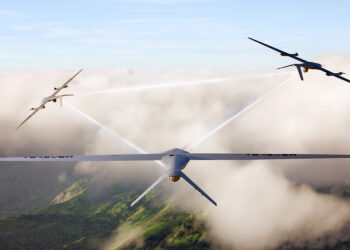
Uncrewed systems are a particular priority. Ignash said Michigan companies are developing and supplying technologies for aerial, ground and maritime applications.
The state is also working to expand its aerospace supply chain, which already includes manufacturers supporting the F-35 programme and commercial aviation. Space technology and advanced microelectronics are additional areas of interest.
These sectors share an important requirement: the ability to manufacture complex equipment, improve designs and increase production volumes.
Michigan believes its existing industrial infrastructure gives it an advantage over regions attempting to build defence manufacturing capacity from scratch.
Ignash expects continued activity in these sectors through 2027, particularly as the US defence industry works to address production shortages and prepare for changes in demand.
“The nation needs production,” he said. ” And there’s no wrong front door.”