Defence tech startups in Europe that are inking deals with government customers continue to pick up major funding with strategic investors as countries and regions scramble to build out stronger technology sovereignty. In the latest development, Harmattan AI, a startup out of Paris building autonomous drones and related products for France and allied countries, today confirmed that it has raised $200 million in Series B funding at a $1.4 billion valuation.
Dassault, the French defence and aerospace prime, is the only investor being named in the round, and it is using the investment to kick off a strategic partnership with the startup. It is not clear if there are other investors alongside Dassault. (We have contacted to ask and will update this post with any responses from Harmattan or investors.) Previous to this, Harmattan had raised $42 million: a seed round led by Atlantic.vc and a Series A led by the storied US early-stage firm FirstMark.
This latest round was rumoured as early as August of 2025.
Defence tech has surged as a category in the last year, and so a lot of the big growth rounds getting raised right now are from companies that are actually not very old.
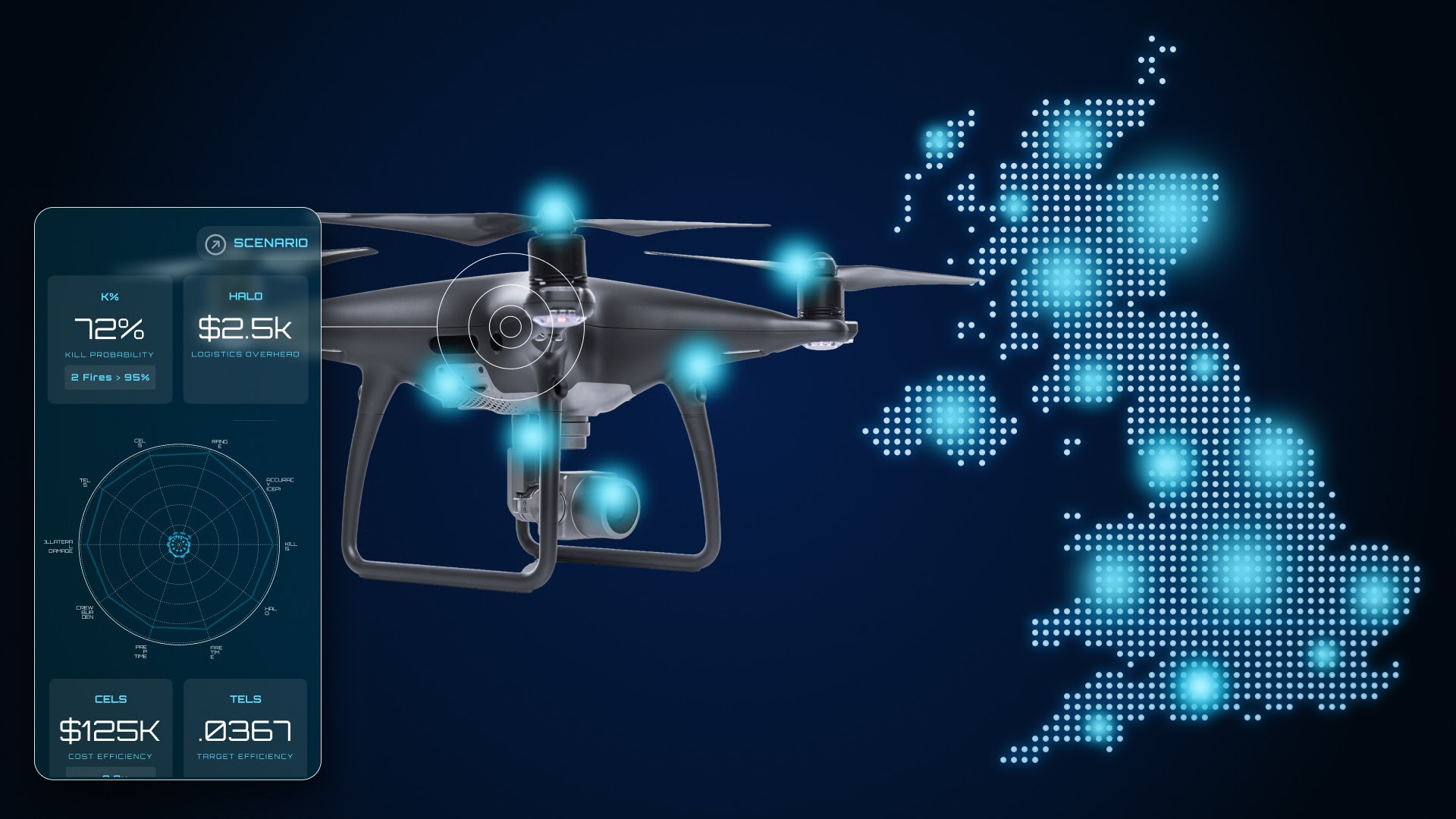
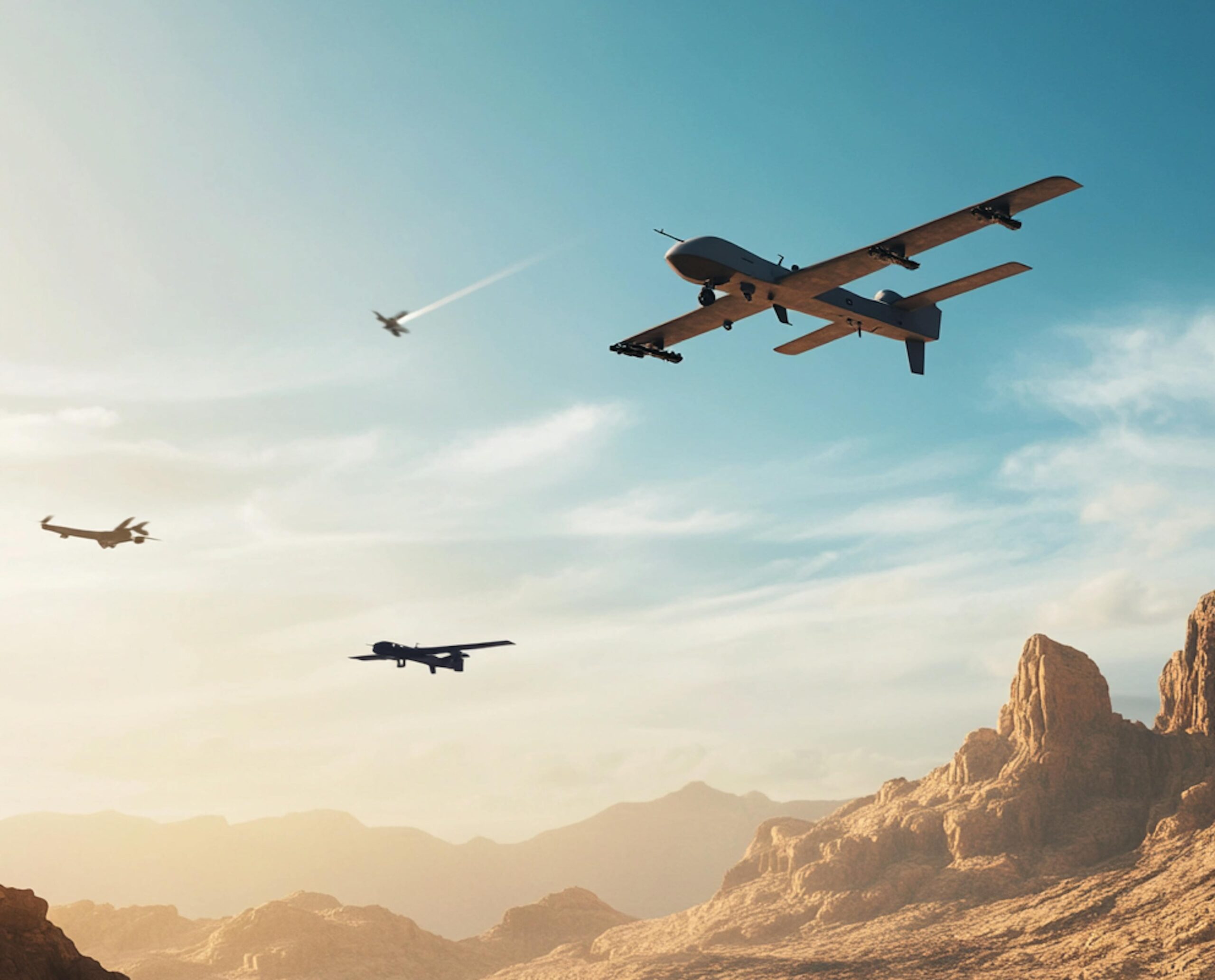
Harmattan itself was only founded in 2024 by Mouad M’Ghari (CEO), Marc Grelet, Edouard Rosset, and Martin de Gourcuff. Currently, it is focusing on three areas: Sonora UAS drones, Sahara for payload-capable aircraft, and Gobi counter-UAS aircraft. (The name Harmattan is a reference to the dry, easterly wind — hence the product names.)
The funding will be used to expand in all of these areas, as well as to grow its electronic warfare capabilities — an area that has emerged as a significant challenge in active war zones like Ukraine.
Harmattan says that it has inked programmes of record with the ministries of defence of France and the UK as well as NATO to embark on bidding for contracts, although it has not disclosed what equipment or deals it has secured as a result of this.
One very clear route to market for defence technology startups is in partnering with larger primes. The latter not only have existing relationships with ministries — including the systems integration that is central to getting next-generation equipment to work alongside legacy systems and in the field overall — but also the facilities to carry out the scaled production that is needed to meet client demands.
In the case of Dassault, the company makes more than $6 billion annually in revenue, has a staff of 14,600 and has produced some 10,000 aircraft (both military and civilian) for 90 countries in the last ‘century’.
That long time span, a statistic provided by Dassault itself, speaks to the significant challenge that newer startups face when trying to compete at the critical infrastructure and supply-chain level. It takes time to build up the kind of scale that large buyers like ministries of defence demand. Hence, that is one big reason for strategic partnerships like the one being announced today. (Other big startups that have equally pursued strategic relationships include Anduril working with GKN, Daimler with ARX Robotics, Helsing and Kongsberg, and Odd Systems with Terma.
On the other hand, Dassault will lack some of the latest innovation mindset that is a cornerstone of how startups are built and operate, making it a mutually beneficial partnership.
“This partnership with Dassault Aviation marks a decisive step in the emergence of a new generation of autonomous defence systems. Dassault Aviation’s trust and leadership accelerate our mission: delivering scalable, sovereign AI capabilities to allied forces. By combining frontier AI with world-class military aviation expertise, we are shaping the future of collaborative air combat,” said Mouad M’Ghari, CEO and Co-Founder of Harmattan AI, in a statement.
Dassault will be integrating specifically Harmattan’s AI capabilities into its newer products such as the Rafale F5 and its UCAS range.
“Dassault Aviation has always placed technological excellence and sovereignty at the heart of its values. This partnership with Harmattan AI reflects our commitment to integrating high-value autonomy into the next generation of combat air systems,” said Eric Trappier, Chairman and CEO of Dassault Aviation, in a statement. “By joining forces with a fast-moving and innovative company, we reinforce our ability to deliver the advanced capabilities required by our armed forces in the decades ahead.”
We will update this post with more details as we receive them.