Saturday 14 February, 2026
[email protected]
Resilience Media
  • About
  • News
  • Resilience Conference
    • Resilience Conference Warsaw 2026
    • Resilience Conference Copenhagen 2026
    • Resilience Conference London 2026
  • Guest Posts
    • Author a Post
  • Subscribe
No Result
View All Result
  • About
  • News
  • Resilience Conference
    • Resilience Conference Warsaw 2026
    • Resilience Conference Copenhagen 2026
    • Resilience Conference London 2026
  • Guest Posts
    • Author a Post
  • Subscribe
No Result
View All Result
Resilience Media
No Result
View All Result

Berlin power grid attack underscores fragility of Europe’s critical networks

The outage sits against a backdrop of longstanding concerns about energy security, where both physical sabotage and cyber intrusion are increasingly in play

Carly PagebyCarly Page
January 12, 2026
in News
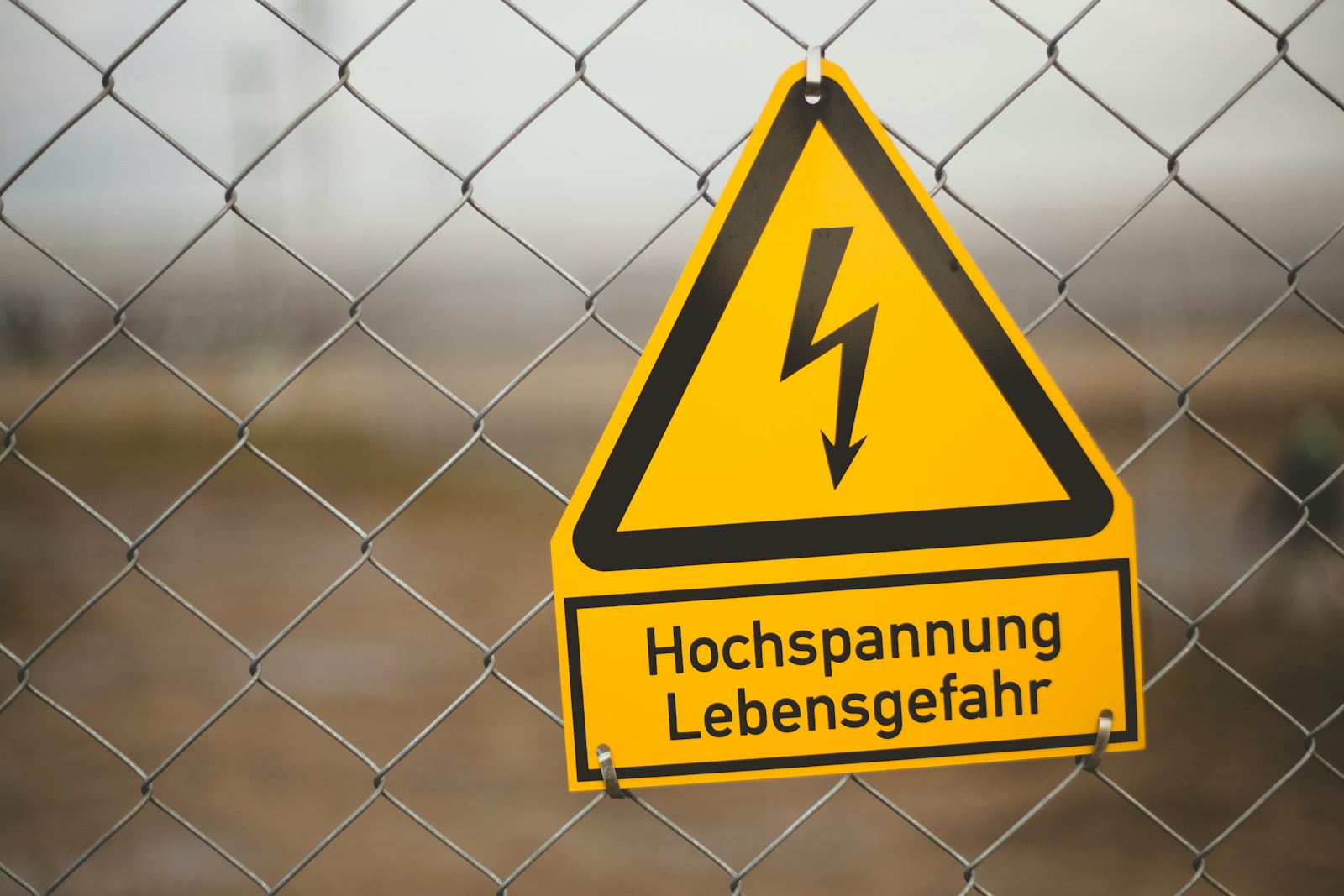
yellow electric sign
Share on Linkedin

Berlin spent days in the dark earlier this month after an arson attack crippled part of its power grid, marking the city’s longest blackout since World War II and forcing Germany to confront the fragility of its critical energy infrastructure.

You Might Also Like

German–Ukrainian venture delivers first drone as Zelenskyy visits Munich facility

Auterion and Airlogix ink deal to mass-produce AI-guided aerial systems

Taiwan gets serious about tech at sea

Electricity was restored to southwestern Berlin last week after an arson attack on 3 January left around 45,000 households and more than 2,000 businesses without electricity in freezing winter conditions for about four days. Officials say the blackout affected as many as 100,000 people, leaving some homes without heating and disrupting mobile networks, hospitals, and transport services.

Investigators quickly ruled out a technical fault. Instead, police say someone set fire to a cable bridge carrying high-voltage lines in the Lichterfelde area, triggering the blackout. A letter claiming responsibility surfaced online from a fringe left-wing group calling itself the Vulkangruppe, though the organisation later distanced itself from the actions. The investigation has since been elevated to the Federal Prosecutor’s Office on grounds that include terrorism and arson.

The damage inflicted on the grid in Germany has provoked sharp criticism. German media have lambasted authorities for what many see as a slow and disjointed response after residents were “forced to sleep in gymnasiums,” according to reports, and political pressure has even mounted on Berlin’s mayor amid revelations about his conduct during the crisis.

The outage has also reignited debate about resilience and risk in an era when physical attacks on infrastructure are climbing the threat agenda. 

The Verband kommunaler Unternehmen (VKU), representing municipal utilities, has called for the establishment of a national crisis electricity reserve and sweeping regulatory reforms to enable faster response in future emergencies; according to reports, authorities only convened a crisis team 13 hours after the attack was reported.

In a statement, VKU President Ulf Kämpfer said the Berlin outage exposed how vulnerable Germany’s grids have become, and urged lawmakers to ensure power can be provisionally restored within 24 hours in the event of “major damage incidents.” Among other measures, the utility group wants mobile power generation assets pre-positioned across the country, a single point of coordination for crisis activation, and streamlined legal frameworks to prevent bureaucratic delays in disaster response.

What happened in Berlin shows that power grids are now fair game for disrupting small and very large communities and their critical services.

Moreover, the line between physical attacks and cyber disruption is blurring.

Ukraine’s power grid was targeted in 2015 by Russian-linked hackers using BlackEnergy malware, cutting power to roughly 230,000 consumers, and again in 2016 by hackers using the Industroyer malware, which shut down parts of Kyiv’s grid. These incidents are among the first known examples of cyberattacks designed to physically disrupt electric infrastructure in a major economy.

The 2020 blackout in Mumbai, which disrupted hospitals and transport across the city, is also widely cited by researchers as an example of cyber activity intersecting with real-world power disruption. Indian investigators and researchers linked the outage to a cyber intrusion into regional power systems, with evidence pointing to Chinese state-linked groups.

German cyber authorities and EU officials have also warned that as power networks become more decentralised and digital, especially with renewables, they are creating new cyber vulnerabilities. Even when there’s no physical damage, a successful intrusion can still cut electricity to homes and critical services.

Whether the trigger is a match or a line of malicious code, the power grid has become an easy way to cause disruption. The question now is not whether such attacks will happen again, but whether countries can restore power fast enough when they do.


Tags: CybersecurityenergyGermanyInfrastructurepower grid
Previous Post

MoD weighs £20M laser investment for UK air defences

Next Post

Touchwaves brings wearable haptics to the military cockpit

Carly Page

Carly Page

Carly Page is a freelance journalist and copywriter with 10+ years of experience covering the technology industry, and was formerly a senior cybersecurity reporter at TechCrunch. Bylines include Forbes, IT Pro, LeadDev, The Register, TechCrunch, TechFinitive, TechRadar, TES, The Telegraph, TIME, Uswitch, WIRED, & more.

Related News

German–Ukrainian venture delivers first drone as Zelenskyy visits Munich facility

German–Ukrainian venture delivers first drone as Zelenskyy visits Munich facility

byJohn Biggs
February 13, 2026

On the eve of the Munich Security Conference, Ukraine and Germany marked a solid step in defense industrial cooperation. President...

green wheat field under blue sky during daytime

Auterion and Airlogix ink deal to mass-produce AI-guided aerial systems

byIngrid Lunden
February 13, 2026

The latest chapter in Ukrainian defence tech startups getting more active outside of the country’s borders was unveiled today. Airlogix,...

a small boat floating on top of a large body of water

Taiwan gets serious about tech at sea

byPaddy Stephens
February 13, 2026

Among the lessons the world has drawn from the Ukraine war, the utility of aerial drones in asymmetric warfare is...

Wrecking-ball politics and the end of mutually-assured stability

Europe recommits to itself as US uncertainty looms over Munich Security Conference

byLeslie Hitchcock
February 12, 2026

This is a copy of our Weekly Digest newsletter, a free newsletter sent once per week from Resilience Media. Subscribe...

Dronamics partners with HENSOLDT to build a heavy defence drone with 24-hour endurance

Dronamics partners with HENSOLDT to build a heavy defence drone with 24-hour endurance

byJohn Biggs
February 12, 2026

This week, Sofia-based Dronamics announced the launch of its Detect and Defend version of the Black Swan, a long range...

an aerial view of a snowy city at night

Estonia needs to stay on guard, says Estonian Foreign Intelligence Service

byFiona Alston
February 12, 2026

The Estonian Foreign Intelligence Service produced their 2026 public report this week. Main takeaways suggest Estonia is safe from a...

Stark inks Virtus deal with NATO member in Northern Europe, one week after expanding to Sweden

Germany awards Stark and Helsing contracts to deliver next-generation strike drones

byCarly Page
February 12, 2026

Germany is preparing to introduce loitering strike drones into frontline service after awarding contracts to two venture-backed defence startups linked...

Stanhope AI raises $8M for new approach of AI for physical applications

Stanhope AI raises $8M for new approach of AI for physical applications

byIngrid Lunden
February 12, 2026

A startup spun out of UCL research into how the brain works is building a new kind of AI model...

Load More
Next Post
Touchwaves' founders Martin Romero and Charlotte Kjellander

Touchwaves brings wearable haptics to the military cockpit

Defense Unicorns lives up to its name: $136M round lifts valuation past $1B

Defense Unicorns lives up to its name: $136M round lifts valuation past $1B

Most viewed

InVeris announces fats Drone, an integrated, multi-party drone flight simulator

Twentyfour Industries emerges from stealth with $11.8M for mass-produced drones

Harmattan AI raises $200M at a $1.4B valuation from Dassault

Senai exits stealth to help governments harness online video intelligence

Palantir and Ukraine’s Brave1 have built a new AI “Dataroom”

Frankenburg has raised up to $50M at a $400M valuation, say sources

Resilience Media is an independent publication covering the future of defence, security, and resilience. Our reporting focuses on emerging technologies, strategic threats, and the growing role of startups and investors in the defence of democracy.

  • About
  • News
  • Resilence Conference
    • Resilience Conference Copenhagen 2026
    • Resilience Conference Warsaw 2026
    • Resilience Conference 2026
  • Guest Posts
  • Subscribe
  • Privacy Policy
  • Terms & Conditions

© 2026 Resilience Media

No Result
View All Result
  • About
  • News
  • Resilence Conference
    • Resilience Conference Copenhagen 2026
    • Resilience Conference Warsaw 2026
    • Resilience Conference 2026
  • Guest Posts
  • Subscribe
  • Privacy Policy
  • Terms & Conditions

© 2026 Resilience Media

This website uses cookies. By continuing to use this website you are giving consent to cookies being used. Visit our Privacy and Cookie Policy.