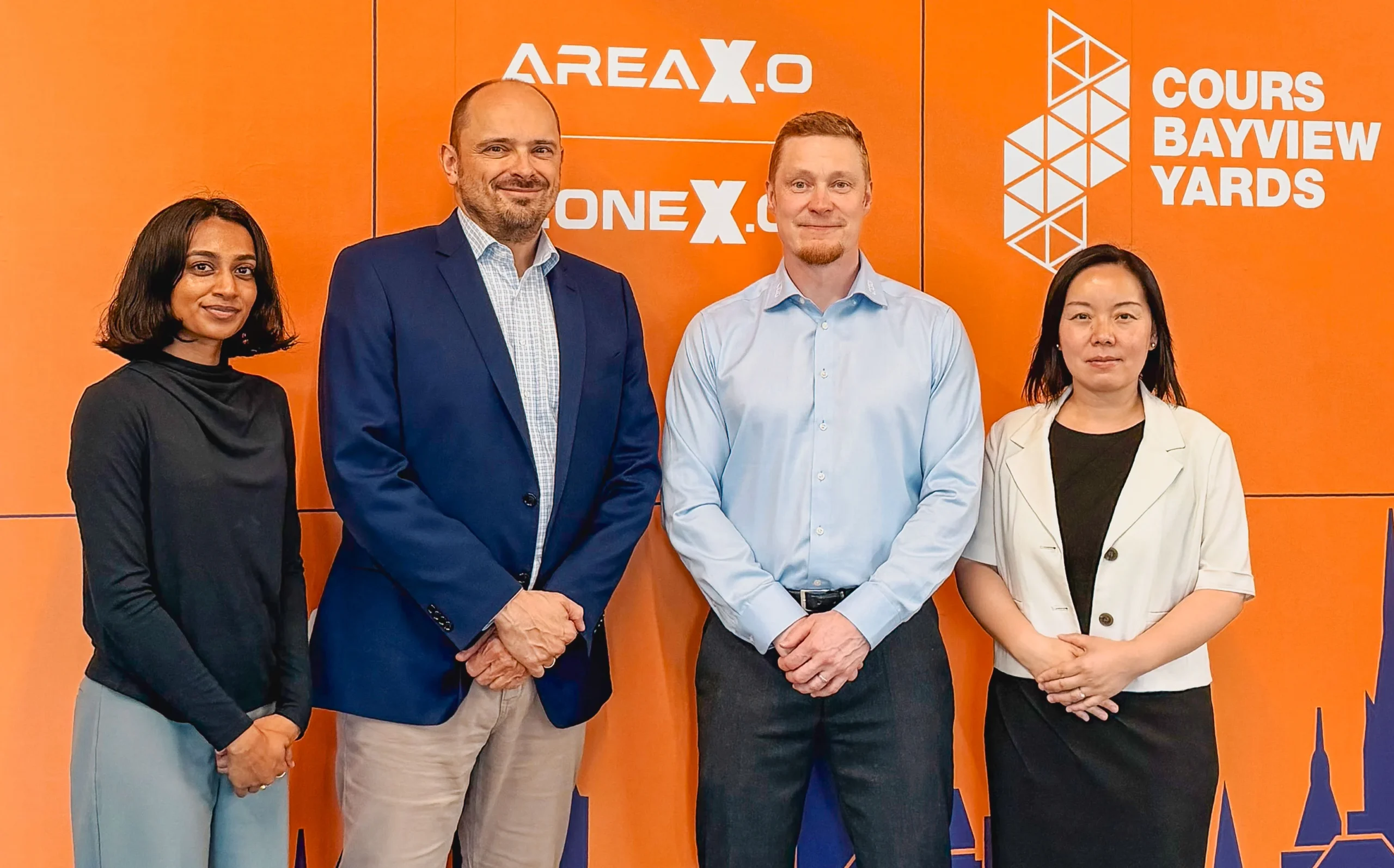
Kelluu, the Finnish company building what it says is the world’s largest autonomous airship fleet, is opening a new site at Area X.O in Ottawa, Canada’s national hub for defence innovation. The move gives the company a foothold in Canada as it pushes its lighter-than-air systems toward one of the hardest problems in defence: persistent Arctic surveillance and connectivity.
Kelluu raised a €15 million Series A in April and has been adding surveillance and networking payloads to its 12-metre autonomous airships. The idea is simple: in places where aircraft, drones, and satellites are limited by weather, distance, cost, or coverage gaps, an airship that can stay up for long periods can provide another layer of awareness and communications.
“Canada and Area X.O in Ottawa offer an ideal platform for growing a company like Kelluu,” said Janne Hietala, CEO of Kelluu. “Finland and Canada share a deep understanding of what it takes to operate in Arctic conditions. Our vision of persistent autonomy in Canada begins right here,”
The Arctic is the obvious use case. Kelluu’s hydrogen fuel cells allow its airships to remain airborne for long periods, including in brutal cold. The company recently flew over Lapland at minus 30C, and its work near Russia’s border has forced it to deal with jamming and spoofing. That experience has made the platform more relevant to NATO, where resilient sensing and communications in contested environments are becoming a priority.
Kelluu was selected for NATO’s DIANA programme and is backed by the NATO Innovation Fund. The company is now trying to move from interesting platform to operational capability, especially in areas where traditional infrastructure is thin and the need for persistent coverage is growing.
For Canada, the timing makes sense. Arctic security is moving up the agenda, and Ottawa is committing more attention and funding to northern infrastructure, surveillance, and defence readiness. Kelluu’s expansion links that requirement with a platform built for cold weather, long endurance, and difficult communications environments.