Thursday 26 February, 2026
[email protected]
Resilience Media
  • About
  • News
  • Resilience Conference
    • Resilience Conference Warsaw 2026
    • Resilience Conference Copenhagen 2026
    • Resilience Conference London 2026
  • Guest Posts
    • Author a Post
  • Subscribe
No Result
View All Result
  • About
  • News
  • Resilience Conference
    • Resilience Conference Warsaw 2026
    • Resilience Conference Copenhagen 2026
    • Resilience Conference London 2026
  • Guest Posts
    • Author a Post
  • Subscribe
No Result
View All Result
Resilience Media
No Result
View All Result

MoD weighs £20M laser investment for UK air defences

Laser weapons are being assessed for a potential role in UK air defences, as the MoD looks beyond naval use of DragonFire

Carly PagebyCarly Page
January 12, 2026
in News
white and black airplane flying under blue sky
Share on Linkedin

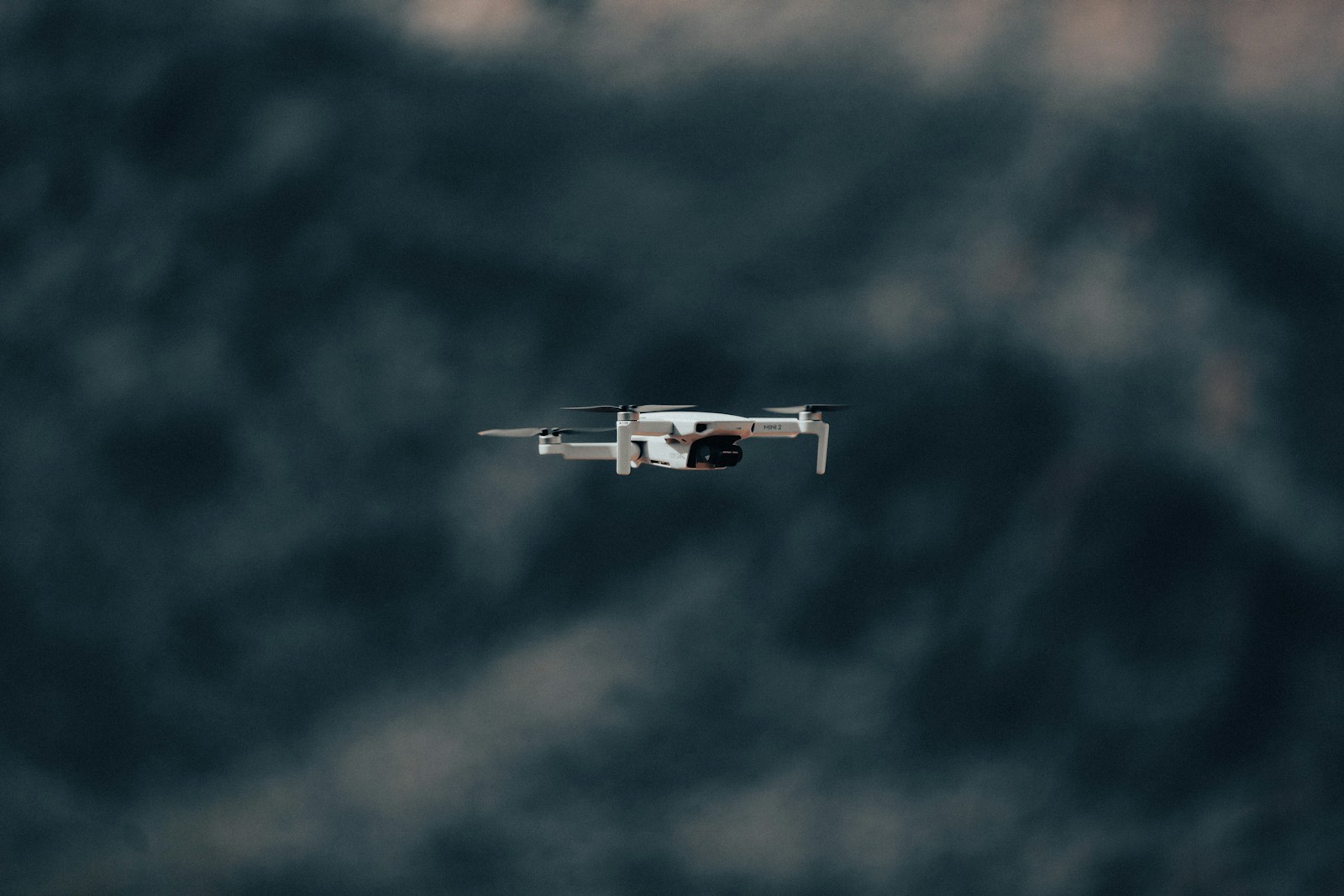
The Ministry of Defence is exploring whether laser weapons could bolster UK air defences, as officials look at new ways to protect military bases and critical infrastructure from drone threats.

You Might Also Like

Ukrspecsystems, of the Ukraine’s big drone makers, opens a factory in the UK

Germany set to formally announce Stark and Helsing strike-drone contracts this week

Group 14 Technologies is betting on silicon batteries for super fast charging

According to The Times, the MoD is exploring how directed-energy weapons might be adapted for homeland air defence as part of a £20 million investment in laser technology. The work would build on the DragonFire programme, the UK’s flagship laser weapon effort, which is already due to be fitted to Royal Navy Type 45 destroyers from 2027.

DragonFire has been under development for years and is now approaching deployment. Backed by the Defence Science and Technology Laboratory and UK industry partners — the defence tech firms involved are QinetiQ, Leonardo and MBDA — the system has demonstrated the ability to track and destroy drones and other fast-moving aerial targets with striking accuracy.

Its development also underscores the drastic change in unit economics that comes into play when upgrading to newer technology and newer kinds of hardware — not counting the investment in R&D that goes into new systems, or into legacy ones. During trials, the Royal Navy said it has been shown to hit a target the size of a £1 coin from a kilometre away, while costing around £10 per shot. By comparison, the Sea Viper missiles carried by Type 45 destroyers cost in the region of £1 million each.

Under a defence deal worth more than £300 million, DragonFire is expected to be installed on the destroyers from 2027, giving the ships a new, low-cost option for countering drones and subsonic missile threats at sea.

The additional work now under consideration would examine whether laser systems, likely at lower power, could be used on land to defend selected sites as part of a layered air defence approach.

It is expected to be the first high-power laser weapon in service with any European nation, and the programme will create or sustain nearly 600 jobs across the UK, according to the Royal Navy.

Interest in such capabilities has grown as European governments report an increase in suspicious drone activity near airports, air bases, and other sensitive locations. Western officials have increasingly pointed to drones as a favoured tool in so-called grey-zone operations, where states apply pressure without crossing the threshold of open conflict. Israel’s recent rollout of its Iron Beam laser defence system has further focused attention on how lasers might complement traditional missile defences.

However, as one senior British defence figure told The Times, the UK’s larger geographic scale makes an Iron Beam-style nation-wide laser shield unrealistic, and laser weapons are more plausibly part of ‘point defence’ around key sites.

The MoD didn’t immediately respond to Resilience Media’s questions, but in a statement cited by The Times, officials said laser weapon technology offered “significant potential” across defence and civil applications.

“We are actively exploring opportunities, particularly in counter-drone systems,” the MoD said. “We are further investing to complement DragonFire, ensuring the UK remains at the forefront of this technology into the future.”

While officials stress the work remains exploratory, the direction of travel is clear: lasers are no longer a distant concept, but an emerging part of the UK’s thinking on future air defence.


Tags: DragonFiredroneRoyal Navyuk government
Previous Post

Harmattan AI raises $200M at a $1.4B valuation from Dassault

Next Post

Berlin power grid attack underscores fragility of Europe’s critical networks

Carly Page

Carly Page

Carly Page is a freelance journalist and copywriter with 10+ years of experience covering the technology industry, and was formerly a senior cybersecurity reporter at TechCrunch. Bylines include Forbes, IT Pro, LeadDev, The Register, TechCrunch, TechFinitive, TechRadar, TES, The Telegraph, TIME, Uswitch, WIRED, & more.

Related News

Ukrspecsystems, of the Ukraine’s big drone makers, opens a factory in the UK

Ukrspecsystems, of the Ukraine’s big drone makers, opens a factory in the UK

byIngrid Lunden
February 26, 2026

Ukrspecsystems, one of the bigger defence startups in Ukraine, has opened up a factory to  produce drones in the UK....

Europe’s Defence Renaissance Gets a VTOL Boost: STARK Launches AI-Enabled Strike Drone

Germany set to formally announce Stark and Helsing strike-drone contracts this week

byCarly Pageand1 others
February 25, 2026

Germany is expected to formally announce its strike-drone deal with defence startup Stark and Helsing on Thursday, sources tell Resilience...

Group 14 Technologies is betting on silicon batteries for super fast charging

Group 14 Technologies is betting on silicon batteries for super fast charging

byJohn Biggs
February 24, 2026

https://youtu.be/FE_FhVsSm10 For decades, silicon batteries were a pipe dream. The product, a cross between a standard lithium battery and a...

Frankenburg has raised up to $50M at a $400M valuation, say sources

Frankenburg confirms €30M funding to build more EU-made rockets

byJulia Gifford
February 24, 2026

Nearly a month after Resilience Media broke the news that Frankenburg Technologies had raised more funding, today the Baltics-based startup...

Tytan raises €30M for drone defence, sources say at a ~€150M valuation

Tytan raises €30M for drone defence, sources say at a ~€150M valuation

byIngrid Lunden
February 24, 2026

Drones have quickly become a cornerstone of modern warfare, and so has building better tools for those times when drones...

brown and black abstract painting

IQM, the quantum startup from Finland, plans US listing on Nasdaq at $1.8B valuation

byIngrid Lunden
February 23, 2026

IQM, the Finnish startup that has raised more than $570 million over the years to fuel its big ambition of...

Dispatch from Ukraine: Trust but verify

Dispatch from Ukraine: Trust but verify

byFiona Alstonand1 others
February 20, 2026

The message from the Kyiv International Cyber Resilience Forum this week is “everyone get ready and stay ready,” particularly when...

How First Parsec plans to outproduce Moscow with cheap engines

How First Parsec plans to outproduce Moscow with cheap engines

byLuke Smith
February 20, 2026

The drone war in Ukraine runs on volume. Both sides field an ever-more-sophisticated variety of drones. But more sophistication often...

Load More
Next Post
yellow electric sign

Berlin power grid attack underscores fragility of Europe’s critical networks

Touchwaves' founders Martin Romero and Charlotte Kjellander

Touchwaves brings wearable haptics to the military cockpit

Most viewed

InVeris announces fats Drone, an integrated, multi-party drone flight simulator

Twentyfour Industries emerges from stealth with $11.8M for mass-produced drones

Senai exits stealth to help governments harness online video intelligence

Harmattan AI raises $200M at a $1.4B valuation from Dassault

Palantir and Ukraine’s Brave1 have built a new AI “Dataroom”

Frankenburg has raised up to $50M at a $400M valuation, say sources

Resilience Media is an independent publication covering the future of defence, security, and resilience. Our reporting focuses on emerging technologies, strategic threats, and the growing role of startups and investors in the defence of democracy.

  • About
  • News
  • Resilence Conference
    • Resilience Conference Copenhagen 2026
    • Resilience Conference Warsaw 2026
    • Resilience Conference 2026
  • Guest Posts
  • Subscribe
  • Privacy Policy
  • Terms & Conditions

© 2026 Resilience Media

No Result
View All Result
  • About
  • News
  • Resilence Conference
    • Resilience Conference Copenhagen 2026
    • Resilience Conference Warsaw 2026
    • Resilience Conference 2026
  • Guest Posts
  • Subscribe
  • Privacy Policy
  • Terms & Conditions

© 2026 Resilience Media

This website uses cookies. By continuing to use this website you are giving consent to cookies being used. Visit our Privacy and Cookie Policy.