
Nokia announced its participation in an industrial consortium led by the Finnish Border Guard to build anti-drone systems for government vehicles and boats. Nokia Defence will supply “sovereign, integrated counter-unmanned aerial systems (UAS) and threat detection capability to be deployed nationwide.”
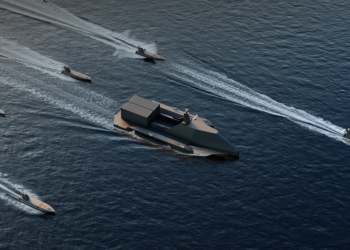
The Finnish Border Guard is working with a group of Nordic defence and technology companies to develop a new generation of anti-drone patrol boats, vehicles, and networking systems. The programme is led by the Finnish Border Guard, with Nokia supplying the intelligent communications network, Marine Alutech building protected patrol boats with counter-UAS capabilities, Saab developing patrol vehicles based on the Sisu GTP platform, and Finnish software company 61N Solutions to build software that will integrate with the Finnish security services.
Nokia is providing the secure communications network for the programme, giving patrol boats, vehicles, and unmanned systems a protected way to exchange data in real time. The company will also help integrate sensors and communications into the Finnish Border Guard’s command and control systems, allowing crews to share information more effectively during border security and defence operations.
“Through the consortium, Nokia demonstrates how its advanced communications technologies support emerging defense applications such as counter-UAS, while strengthening partnerships within the national and European defense ecosystem,” said Mikko Hautala, Chairman at Nokia Defence.
The consortium will deliver the systems next year and the border guard will begin evaluating the solutions in 2027 and 2028.
“Reliable, secure connectivity is becoming essential to how defense organizations detect, understand and respond to fast-moving threats,” said Hautala. “By contributing Nokia’s intelligent connectivity and sensing technology to this consortium, we are helping build an operational and interoperable solution that gives border authorities the real-time awareness and resilience they need in complex land and maritime environments.”