Helsing has launched a new advanced research division and unveiled its first European-built robotics research platform as the defence AI company expands beyond autonomous aviation and into next-generation robotic systems.
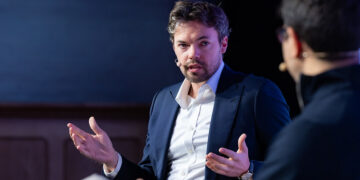
Announced at the Paris Air Show, Area 9 is Helsing‘s new in-house research outfit. The group is headed by chief scientist Antoine Bordes and is tasked with turning experimental AI work into technology that can actually be fielded. Its first major success was Centaur, the AI pilot Helsing developed for air combat testing.
Centaur, which has already flown aboard Saab’s Gripen fighter aircraft, now forms the technological foundation of Helsing’s planned CA-1 Europa autonomous combat aircraft. With the creation of Area 9, the company is now turning its attention to robotics.
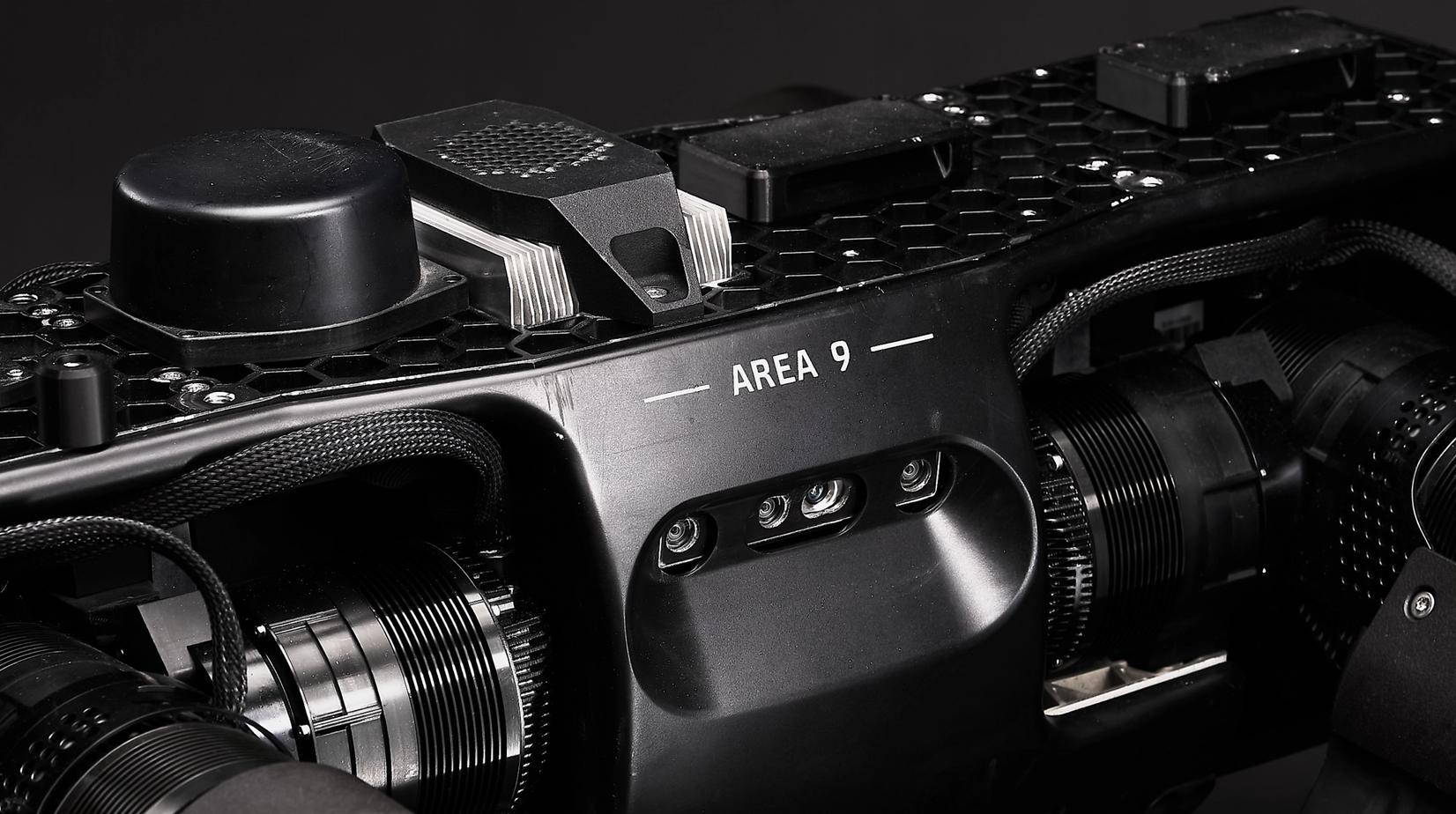
The division’s first project is RX-1, a robotics research platform designed and manufactured entirely in Europe. Helsing said the system has been developed as a sovereign alternative to robotics platforms produced outside the continent and will be made available to universities and research institutions across Europe.
The company also announced partnerships with ETH Zurich and France’s INRIA research institute, both of which will deploy RX-1 to support research into AI-enabled autonomy.
Marco Hutter, Professor at ETH Zurich, said: “RX-1 is an advanced, European-developed hardware platform enabling exciting field robotics research. We look forward to collaborating with Antoine’s team at Area 9 to push outdoor autonomy.”
While Helsing has disclosed few technical details about the platform itself, the company says RX-1 has been designed for durability and operation in challenging environments.
Bordes said: “RX-1 is designed in Europe and manufactured in Europe, including crucial components as our in-house designed actuators. Our robotics team has created a platform that is exceptionally strong, can withstand the elements, and will serve as a research platform across multiple teams in Europe.”
The announcement reflects a broader push across Europe to strengthen sovereign defense technology capabilities as governments seek to reduce dependence on foreign suppliers for critical AI, software, and autonomous systems. For Helsing, it also marks a significant step beyond software and autonomous aviation into the physical robotics platforms likely to play an increasingly important role in future military operations.