Luxembourg-based USIL Therapeutics has passed the initial vendor registration assessment of the NATO Support and Procurement Agency (NSPA), giving the dual-use defence company a potential route into NATO’s defence procurement system.
The company participated in Resilience’s LAUNCH cohort at the Resilience conference in London this year.
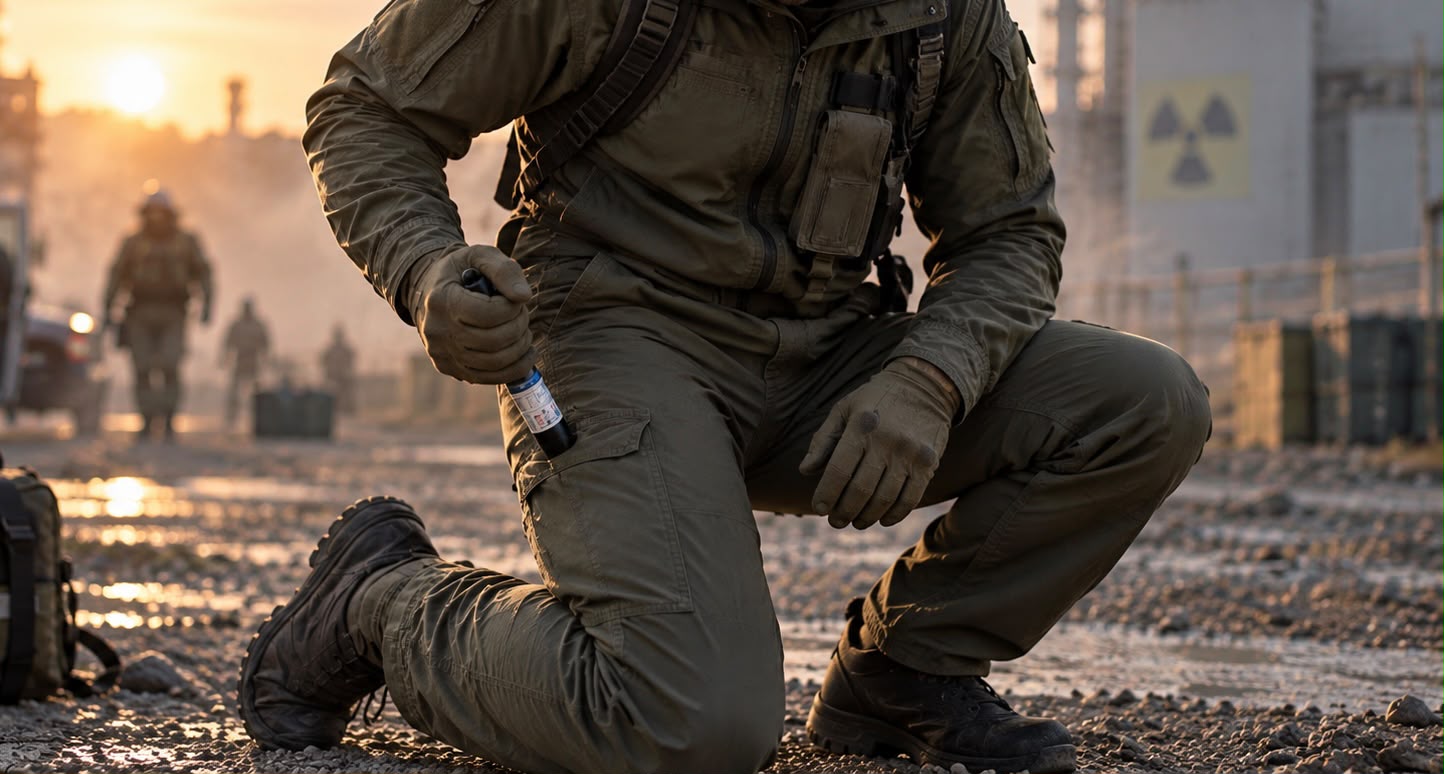
Founded just over a year ago, the company is developing countermeasures for acute radiation syndrome (ARS), a potentially fatal condition caused by exposure to high doses of ionising radiation. Their products include an IV solution and a standalone injector for emergency use.
The NSPA has confirmed that USIL Therapeutics meets its initial registration requirements and will establish a procurement account for the company. This will allow it to access the agency’s procurement platform and participate in Request for Proposal (RFP) processes. Full registration remains subject to a Declaration of Eligibility from the relevant national authorities. Once that declaration is received, the company will be cleared to conduct business with the NSPA.
“For a company at our stage, reaching this point in the NATO procurement process is an important achievement and a significant opportunity,” said Fred Marin, CEO of USIL Therapeutics. “It allows us to take the next steps towards working with defence and security organisations that recognise the importance of medical preparedness for nuclear and radiological emergencies.”
The assessment is notable given the company’s age and lack of an established record of government procurement contracts. However, registration does not constitute a NATO contract or an endorsement of the company’s treatments. It establishes a potential route to future procurement opportunities.
USIL Therapeutics is developing treatments for acute radiation syndrome, which can occur following exposure to high levels of ionising radiation. The condition can severely damage the bone marrow, gastrointestinal system and other organs, with potentially fatal consequences.
The company’s work addresses a part of defence preparedness that receives less attention than conventional weapons, air defence systems and battlefield technology.
The war in Ukraine has increased concerns about nuclear escalation and the safety of nuclear facilities in conflict zones. The risk of radiological incidents has also raised questions about whether European governments have sufficient medical resources to respond to large-scale radiation exposure.
While iodine tablets can protect the thyroid against radioactive iodine under specific circumstances, they do not treat acute radiation syndrome. Severe radiation exposure requires different medical interventions, making the development of additional treatments an important area of research.
The company said it will continue developing its medical countermeasures while pursuing the remaining steps in the NSPA registration process.
Its progress also reflects a broader question facing European defence planners: whether existing medical systems are adequately prepared for the consequences of nuclear and radiological incidents, and whether emerging biotechnology companies can help close those gaps.