Military aircraft and drones can collect enormous amounts of imagery, but analysing that information remains a challenge. Human operators must monitor video feeds, identify potential threats and track objects across large areas, often under severe time pressure. In other words, have a single set of eyes on a dozen monitors often leads to mission failure.
Overwatch Imaging, an Oregon-based technology company, is working to automate that process using artificial intelligence, advanced cameras and onboard computing.
Founded in 2016 by aerospace engineer Greg Davis, the company develops autonomous intelligence, surveillance and reconnaissance (ISR) systems for crewed and uncrewed aircraft. Its technology is designed to detect, classify and track objects of interest while reducing the workload on human operators.
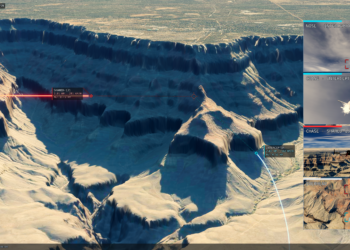
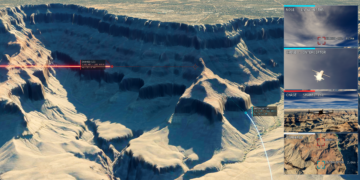
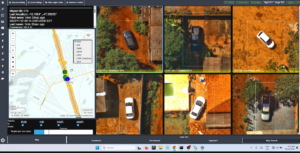
At the centre of its technology is Automated Sensor Operator (ASO), an AI-powered software platform that automates airborne image collection and analysis. Rather than requiring an operator to manually search video feeds, ASO can identify objects, track targets and prioritise information directly onboard an aircraft.
Processing imagery at the source is particularly important for defence missions where communications bandwidth may be limited or unreliable. By analysing information onboard, the system can deliver relevant intelligence without requiring operators to transmit and review large volumes of raw video.
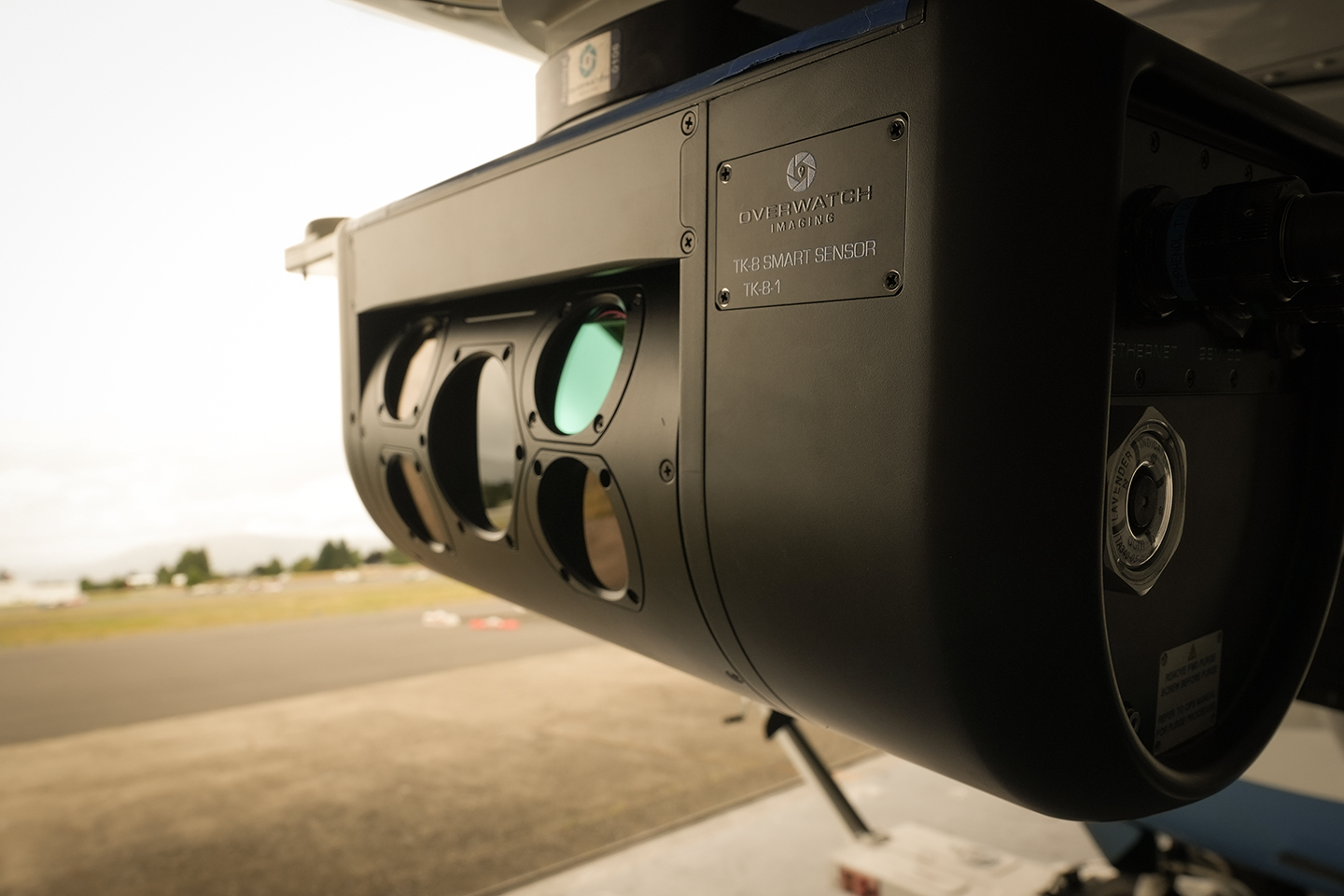
Overwatch Imaging also manufactures its own Smart Sensors, including its TK and PT series of airborne imaging systems. These combine optical and infrared imaging with AI processing to support surveillance across large areas during day and night operations.
The company has also adapted its ASO software to work with third-party airborne camera systems, allowing operators to add automated detection and tracking capabilities to existing equipment.
One important application is maritime surveillance. Monitoring large areas of ocean requires aircraft to identify relatively small objects, including vessels that may be difficult to detect using conventional imaging systems. Overwatch Imaging’s technology helps automate the search process, allowing operators to identify and track vessels and focus their attention on activity that requires further investigation.
The company has grown considerably since its founding. What began as a bootstrapped startup in Hood River, Oregon, now supports customers across six continents.
Overwatch Imaging reported that its workforce grew by approximately 50% over the past year, with new hires across engineering, product development, customer support, business development and operations. The company is also establishing a second office in Nashville, Tennessee, to expand its access to talent and work more closely with customers and partners.
That expansion follows several rounds of investment, including a 2022 Series A led by Squadra Ventures and Shield Capital, with participation from L3Harris Technologies and Bridger Aerospace. A further growth funding round in 2025 supported product development and international expansion.
In November 2026, Overwatch Imaging received the Growth Stage Award from the Oregon Entrepreneurs Network, recognising its commercial expansion and the international use of its technology.
“This recognition belongs to the team, partners, and community who have helped us build Overwatch Imaging over the past 10 years,” said Davis, the company’s founder and CEO.
Overwatch Imaging’s approach is to move imaging work onto the aircraft itself, using AI to automate detection, tracking and analysis while leaving operational decisions to human personnel.
As surveillance platforms become more numerous and the volume of imagery continues to increase, technologies that reduce operator workload could become increasingly important to military intelligence operations.