
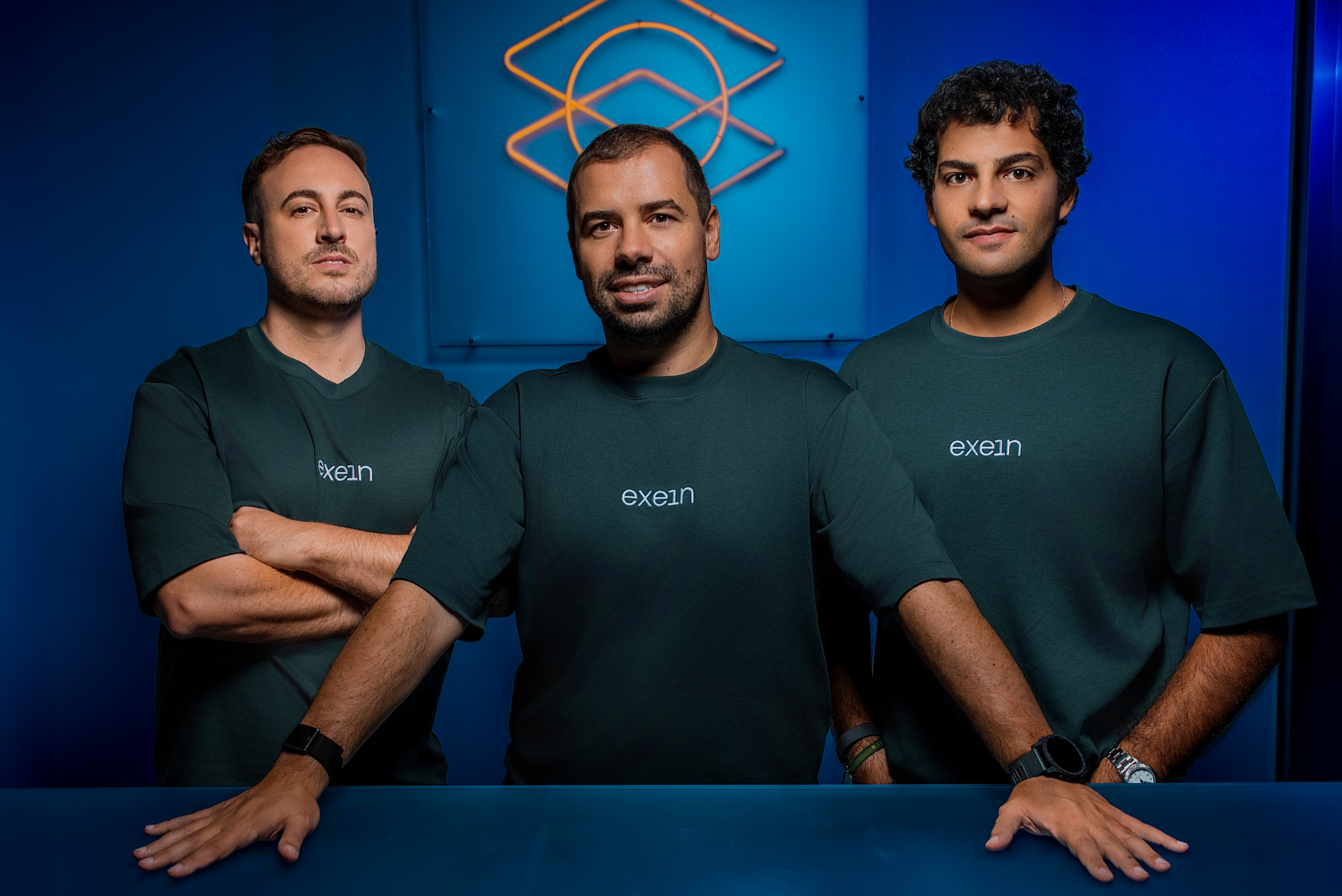
Italian cybersecurity company Exein has launched an AI agent designed to help manufacturers identify and address security weaknesses in connected devices before they are deployed across critical infrastructure and industrial environments.
The agent, called Ray, is integrated into Exein’s existing firmware security platform, Analyzer, which examines the software embedded in connected devices for vulnerabilities and compliance issues. Ray lets engineers interrogate those findings in natural language, helping them determine which bugs pose the greatest risk and should be addressed first.
The launch comes two months after Exein raised $270 million at a $1.7 billion valuation to expand its work on securing physical AI systems, including drones, robots and autonomous vehicles. The Rome-based company says its security technology is already embedded in some two billion chips worldwide, and counts Nvidia, Leonardo, MediaTek and Arm among its customers.
It also follows a series of cyberattacks targeting connected infrastructure in Europe, including recent attacks on supermarket refrigeration systems. These incidents have highlighted the potential for relatively overlooked pieces of connected equipment to become a source of significant operational disruption and financial losses.
The proliferation of connected devices across energy, healthcare, transport and manufacturing presents a particular challenge for manufacturers. Individual products can contain thousands of software components, while the equipment itself can remain in service for years or even decades.
A firmware scan can throw up hundreds of vulnerabilities, leaving engineers to work out which an attacker could actually exploit. Ray draws on Analyzer’s existing findings, including data on whether vulnerable code can be reached during a product’s operation, to help manufacturers decide what to fix first.
Manufacturers can also use the agent to identify where vulnerabilities are shared across multiple products, potentially allowing engineering teams to address security weaknesses across entire product lines.
“Europe is connecting more of the physical world to software, but too many products were never designed for the threat environment we have today,” said Giovanni Falcione, co-founder and CTO of Exein. “The recent attacks on refrigeration systems are a reminder that a weakness buried inside firmware can have consequences far beyond IT.”
Falcione added that advances in AI were accelerating the discovery and exploitation of vulnerabilities, putting further pressure on manufacturers to identify security weaknesses earlier in the product development cycle.
“Manufacturers need to understand what is inside their products, which vulnerabilities actually matter and what needs to be addressed before those products reach the field,” he said. “Ray gives engineering teams a much clearer way to do that, without expecting every firmware engineer to become a cybersecurity expert.”
The launch also comes as European regulators place greater responsibility for the security of connected products on their manufacturers. Under the EU’s Cyber Resilience Act, manufacturers have been required to report actively exploited vulnerabilities and severe security incidents since September 2026, with the regulation’s wider requirements taking effect in December 2027.
For operators of critical infrastructure, who typically rely on equipment sourced from numerous third-party manufacturers, the security of those products is largely determined long before they are installed. The new European requirements will place greater emphasis on how manufacturers secure equipment before it reaches customers, as well as how they manage vulnerabilities throughout its operational life.