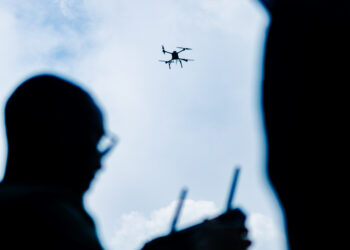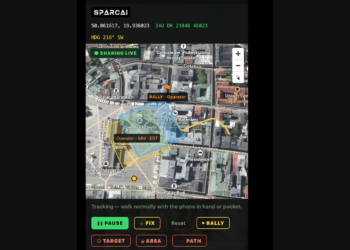
For the third time, the Darkstar Coalition gathered emerging defence tech startups, both Ukrainian and foreign, for a bootcamp in Kyiv. Participants were able to trial their products at a testing ground, meet tech-savvy army units, devise integrations with other participants, and meet specialist investors.
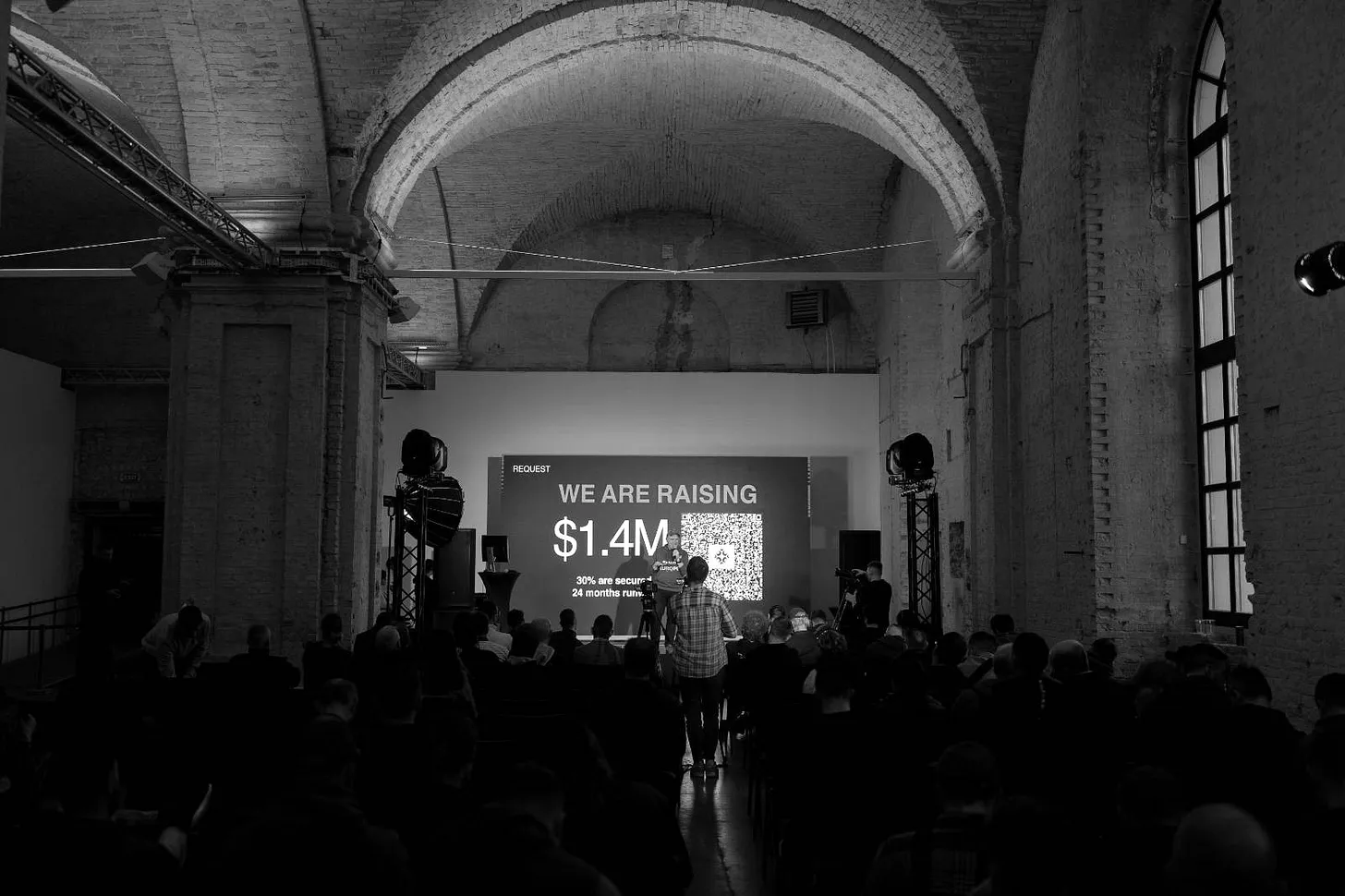
Ragnar Sass, Darkstar’s co-founder, kicked the meeting off by reminding the participants that ‘we are here to build the instruments for Ukraine to win and ReArm Europe.’ Over the next two hours of wall-to-wall pitching, 20 startups spelled out how exactly are their products contributing to this goal.
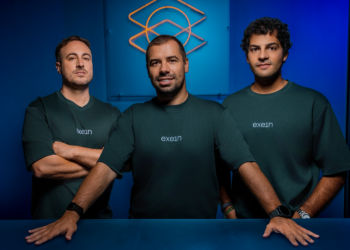
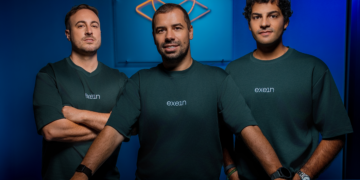
Among them, one company stood out especially. Its product is not typical for the defence tech ecosystem, and its team was the youngest of all. Xnet is developing a range of anti-drone systems that contain Kevlar netting. When shot against an approaching drone, the net wraps around it. The startup is run by Ukrainian students and has already received feedback from a few dozen military units. Its products are available in various calibres and were battle-tested during the operations in Kursk, where Russian use of fibreoptic drones prevented other means of defence against UAVs. Xnet is currently raising $85,000 to expand their production capacities.
The bootcamp also attracted a range of founders from around the world. Sentinel Research and Development from Canada. The startup uses aluminium modular tooling to manufacture UAV airframes from composite materials for a fraction of the cost typical for the allied markets. Sentinel learned about the bootcamp at the last moment, leaving its co-founder racing to get travel documents, which he did only two hours before the flight out of Toronto.
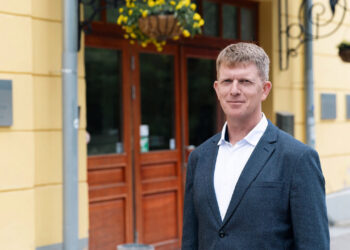
The Estonian team from Apex Battle Simulator spent 10 years developing games which then grossed $300m for their clients. ‘But then we asked ourselves: how can we, the nerdy geeks, use our experience to help Europe defend itself?’ explained CEO Marten Palu.
With most European militaries scrambling to expand their ranks, provision of training to new recruits will be essential. Nothing can supplant a shooting range, but a virtual simulator can help newly enlisted personnel to prepare mentally. So Palu and his team started developing such software, recreating the landscapes and battle missions from Ukraine’s frontline footage and topology data.
Apex Battle Simulator was built in early March and already has interest from several Ukrainian military units. Three of them are procuring hardware to include the simulator into their training schedules. By June, Apex expects to have a thousand monthly users.
I ask Palu what motivated him to pivot away from games development. Estonia’s proximity to Russia is a self-evident reason. The founder of Apex is a father of three – with a fourth on the way. With such responsibility, national security is even more pressing.
The founder of a German startup, DDT, which supports its corporate and government customers in analysis of data from various sensors, has already received good traction, but after becoming a father DDT’s founder felt that helping cities with mobility and factories with workplace safety is not enough. He participated in the bootcamp to learn the potential use cases of his technology for defence, both in Ukraine and at home.
On becoming a father, the founder of German startup, DDT, also felt he wanted to move into defence. DDT, which supports its corporate and government customers to analyse sensor data, already has good traction helping cities with mobility and factories with workplace safety. The founder decided to come to the bootcamp to explore potential use cases for his technology in defence, both in Ukraine and at home.
Also at the bootcamp was the founder of PAI Defense. The twenty-four-year-old Ukrainian’s studies at Ivy League Dartmouth College were interrupted first by the pandemic, then by the Russian full-scale invasion. Now she heads a startup that develops a counter-drone system. Currently most of the tactical jammers used by the Ukrainian defenders either cover a limited range of radio frequencies or work on all of them but within in a limited range. Instead PAI Defense has developed a system that can first ‘identify, classify, and map’ enemy UAVs, and then hit their exact frequencies with high precision and all available power.
To be sure, PAI Defense is not unique in their approach, but what makes the startup stand out is their direct access to the frontline. Apart from Tonia, the team are all in the Ukrainian military, and by developing PAI Defense they are solving the problems they find in other available jammers.
PAI’s solution was exhibited next to the pitch stage. The day before, it was still deployed on the frontline, downing almost a dozen of drones. The system is sturdy, with attendees tripping over its thick cables. This heftiness is essential for it to survive on the frontline.
As we spoke, Tonia was approached by an agitated military serviceman who she had met at Darkstar. ‘I have just sent the photo of the system to an electronic warfare officer,’ he said, ‘and they want it now,’ It is not unusual for deals like this to get done at Darkstar bootcamps and hackathons, which is one of its many unique features.
The bootcamp drew to a close, but the next one is already approaching. As Sass told me, the Finish Defence Forces reached out to Darkstar asking if their country can host their next defence tech hackathon. This next event will happen on 25-27 of April in Finland. If you want to develop a novel instrument to defend undersea cables, are into European cybersecurity, or care about counter-drone systems, you could still manage to apply for the hackathon in Finland, with the deadline being 7th of April.
We were already in overtime, but Sass kept shuttling between the visibly tired participants. I asked him if he was exhausted. ‘Yes, a bit’, Sass exhaled with a laugh ‘but in a good way.’
At the end of the event, we all enjoyed some pizzas. Darkstar ordered the pizza from a veteran-run pizza company. This is a small but important detail and was noticed and appreciated by the Ukrainians present.