
Sunday 18 January, 2026
[email protected]
Resilience Media
  • About
  • News
  • Resilience Conference
  • Guest Posts
    • Author a Post
  • Subscribe
No Result
View All Result
  • About
  • News
  • Resilience Conference
  • Guest Posts
    • Author a Post
  • Subscribe
No Result
View All Result
Resilience Media
No Result
View All Result

HyperBunker Raises €800K To Build Data Bunkers For The Digital Battlefield

The seed funding will enable the startup to scale production of its “data bunker”, a physically air-gapped vault designed to keep critical military data safe from ransomware

Resilience MediabyResilience Media
October 15, 2025
in Interview, News, Startups
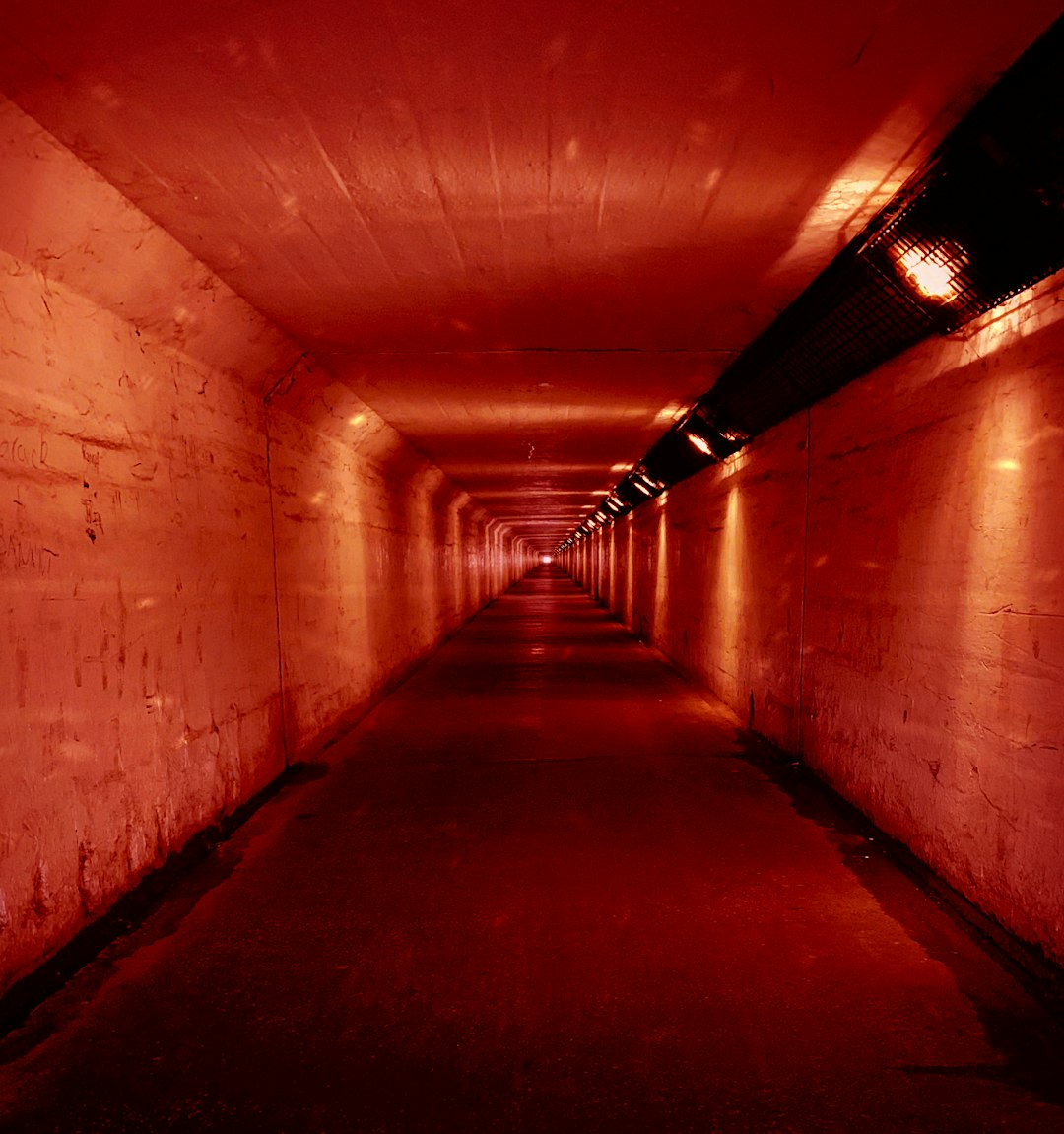
Photo by Nandor Muzsik on Unsplash

Photo by Nandor Muzsik on Unsplash

Share on Linkedin

HyperBunker, the cybersecurity startup promising to make ransomware attacks survivable, has secured €800,000 in seed funding to expand production and push into EMEA and the United States.

You Might Also Like

Power outages and small checks: The perils of being a VC in Kyiv

Equal1 Wants Quantum to Be as Simple as CPUs and GPUs — and It’s Raised $60m to Prove It

DTCP unveils €500m ‘Project Liberty’ fund to back European defence tech

The round was led by Fil Rouge Capital and Sunfish Partners, investors interested in the company’s focus on resilience and its hardware-based approach to protecting critical data. HyperBunker will use the funds to scale up its production pipeline, which it said is currently capacity-constrained due to demand, and to accelerate deliveries to customers.

“At Sunfish Partners, we back visionary founders from Europe who are building technologies that strengthen Europe’s security, defence, and resilience,” said Max Moldenhauer, partner at Sunfish. “HyperBunker’s bold mission to neutralise ransomware addresses one of the most urgent global threats to national security and critical infrastructure.”

Dr. Ales Pustovrh from Fil Rouge Capital added that HyperBunker’s early traction had been hard to ignore.

“With a real answer for ransomware … and a production capacity-constrained pipeline, we had to participate in funding the team,” he said. “Market response to their unique solution has been extremely positive.”

Founded by a group of engineers that have been working in data recovery for two decades, HyperBunker has designed what the company describes as a “physical bunker” for data, an air-gapped vault that isolates and preserves mission-critical information from ransomware, insider threats, and network compromise.

With the flagship design based on learnings from over 50,000 ransomware-related recovery projects, the “data bunker” is not cloud-based, nor is it a conventional software-defined backup (approaches that companies like Rubrik take). Instead, it’s a hardened storage unit built to maintain operational continuity even when a network is taken offline by malware. And it remains unreachable from the network even during backup or restore operations.

The design uses optocoupler-based one-way data transfer, ensuring that information can only move into the secure environment and never back out. The company claims the result is a storage architecture that is physically incapable of being encrypted, deleted, or remotely accessed once data has been written.

According to co-founder and CTO Nino Eskič, the product was born directly from frontline experience helping victims of ransomware.

“We started working on the HyperBunker solution two years ago, based on our experience helping customers after ransomware had already encrypted their data,” he said. “Now, at last, we have a safe answer to how to protect critical data before it’s too late — put it in the bunker.”

Each HyperBunker device maintains four immutable versions of an organisation’s most critical data, giving operators a verified recovery path even if other backups are destroyed. Eskič said the system is designed for environments where continuity is essential.

The company is also developing a military-grade variant of its technology, ruggedised for field use and built to defence standards for environmental tolerance and durability, in response to growing interest from defence ministries and aerospace suppliers.

“In the military environment, if you lose data, it’s not about money – it can cost human lives,” Eskič told Resilience Media.

The firm says its approach deliberately diverges from the dominant trend toward cloud backup and software-as-a-service resilience platforms. Attackers routinely target connected storage first, encrypting or wiping replicas before striking production systems. By contrast, HyperBunker’s architecture assumes compromise and isolates the final copy of data behind a physical barrier that malware cannot cross.

“Connected backups are the first targets in modern ransomware attacks,” Eskič said. “We’ve seen countless cases where both the live systems and their backups were encrypted or deleted within minutes.”

Ransomware has become the most destructive cyber threat facing both civilian and military infrastructure.

In the UK alone, an estimated 19,000 successful ransomware attacks occurred in the past 12 months, double the figure from 2024, prompting government efforts to restrict ransom payments by public bodies. Across NATO member states, critical infrastructure operators are increasingly being drawn into hybrid campaigns where data destruction and extortion accompany espionage.

Against that backdrop, HyperBunker positions itself as the “last line of defence”: a survivability layer that guarantees access to critical data even when networks, systems, or supply chains are compromised. HyperBunker’s founders say their mission is straightforward: to make sure the data survives even when everything else fails.

Tags: Ales PustovrhHyperBunkerMax MoldenhauerNino EskičSunfish Partners
Previous Post

Quaze Turns Nearly Anything Into A Charging Surface for Drones

Next Post

Tytan Teams Up With Axon to Build Out Its Drone Wall

Resilience Media

Resilience Media

Start Ups. Security. Defense.

Related News

Power outages and small checks: The perils of being a VC in Kyiv

Power outages and small checks: The perils of being a VC in Kyiv

byJohn Biggs
January 16, 2026

When I called Sasha Yatsenko, the power had just cut out. No sirens, no warning, just a few minutes of...

Equal1 Wants Quantum to Be as Simple as CPUs and GPUs — and It’s Raised $60m to Prove It

Equal1 Wants Quantum to Be as Simple as CPUs and GPUs — and It’s Raised $60m to Prove It

byFiona Alston
January 16, 2026

Equal1, an Irish quantum semiconductor company announced this week it had raised $60 million to fuel the next stage of...

pink and purple led light

DTCP unveils €500m ‘Project Liberty’ fund to back European defence tech

byCarly Page
January 16, 2026

Deutsche Telekom Capital Partners (DTCP) has launched a €500 million fund dedicated to defence, security, and resilience technologies, marking what...

Weekly Digest: From the living room to the war room at CES 2026

Weekly Digest: From the living room to the war room at CES 2026

byLeslie Hitchcock
January 15, 2026

Good afternoon from the team at Resilience Media. This is Issue 54 of our weekly newsletter, which you can subscribe...

EIB backs Optics11 with €25M to boost undersea security and energy resilience

EIB backs Optics11 with €25M to boost undersea security and energy resilience

byCarly Page
January 15, 2026

The European Investment Bank has agreed a €25 million loan to Dutch fibre-optic sensor firm Optics11, backing technology designed to...

gray concrete towers under white clouds and blue sky during daytime

The start up hoping to sell anti-radiation drug to Ukrainian Armed Forces

byTom Pashby
January 15, 2026

The threat of radiation incidents has shot up the agenda in recent years, in particular due to Russia’s use of...

Hydrosat raises $60M for its thermal satellite imaging tech

Hydrosat raises $60M for its thermal satellite imaging tech

byIngrid Lunden
January 15, 2026

A startup building AI-based thermal infrared satellite technology to provide data for water resource management, public safety and defence applications...

Weekly Digest: From the living room to the war room at CES 2026

CES isn’t just consumer tech anymore

byJohn Biggs
January 14, 2026

For decades, the Consumer Electronics Show has emphasized (as you might guess by the name) the consumer side of things....

Load More
Next Post
Tytan Teams Up With Axon to Build Out Its Drone Wall

Tytan Teams Up With Axon to Build Out Its Drone Wall

NATO Turns to Oracle and Druid Software for Secure Battlefield 5G Connectivity

NATO Turns to Oracle and Druid Software for Secure Battlefield 5G Connectivity

Most viewed

InVeris announces fats Drone, an integrated, multi-party drone flight simulator

Harmattan AI raises $200M at a $1.4B valuation from Dassault

Defense Unicorns lives up to its name: $136M round lifts valuation past $1B

Hydrosat raises $60M for its thermal satellite imaging tech

Terra Industries raises $12M to become ‘Africa’s first neo-prime’

6 predictions for defence in 2026

Resilience Media is an independent publication covering the future of defence, security, and resilience. Our reporting focuses on emerging technologies, strategic threats, and the growing role of startups and investors in the defence of democracy.

  • About
  • News
  • Resilence Conference
  • Guest Posts
  • Subscribe
  • Privacy Policy
  • Terms & Conditions

© 2026 Resilience Media

No Result
View All Result
  • About
  • News
  • Resilence Conference
  • Guest Posts
  • Subscribe
  • Privacy Policy
  • Terms & Conditions

© 2026 Resilience Media

This website uses cookies. By continuing to use this website you are giving consent to cookies being used. Visit our Privacy and Cookie Policy.