San Diego-based Shield AI and UK’s Kraken Technology have demonstrated autonomous maritime
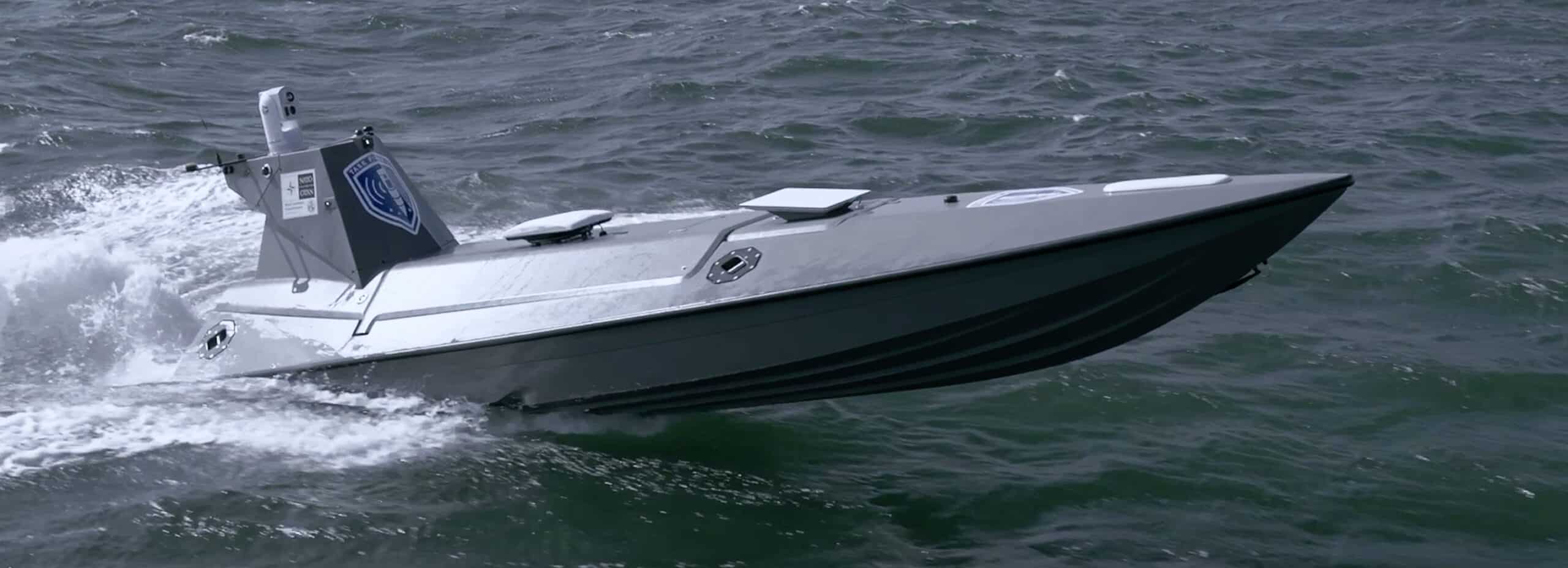
“teaming” in Portsmouth, with two K3 SCOUT uncrewed surface vessels using Shield AI’s Hivemind autonomy software to coordinate an intelligence, surveillance, and reconnaissance mission using networked and autonomous maritime vessels. The companies demonstrated who the two SCOUTs could work together under real world conditions to perform a vital task.
The Hivemind project was originally designed for autonomous aircraft. The company has recently pushed the software into maritime drones.
The vessels searched a designated area using radar, cameras and Automatic Identification System data. After identifying a vessel of interest, the two USVs worked together to track and escort it from the area, then replanned the mission and returned to search operations.
“The demonstration showed how multiple autonomous vessels can operate as a coordinated team to perform complex missions rather than as independent assets,” wrote Shield AI in a release.
“This collaboration with Kraken demonstrates how Hivemind enables autonomous maritime teams to operate as part of a larger, distributed force,” said Christian Gutierrez, SVP at Shield AI. “Maritime operators today face vast blind spots at sea and more data than any watch stander can sift through in real time. Hivemind pushes operator intent directly into an autonomous USV team, helping systems prioritise contacts of interest, adapt to changing conditions, and execute missions alongside the crew instead of adding to their cognitive load.”
The trial marks Shield AI’s first maritime autonomy demonstration in the UK and extends Hivemind, originally developed for autonomous aircraft, into maritime operations. Kraken’s 8.4 metre K3 SCOUT can reach speeds of up to 55 knots and carry a 600 kg payload. The company recently delivered 20 of the vessels to the Royal Navy under Project BEEHIVE.