
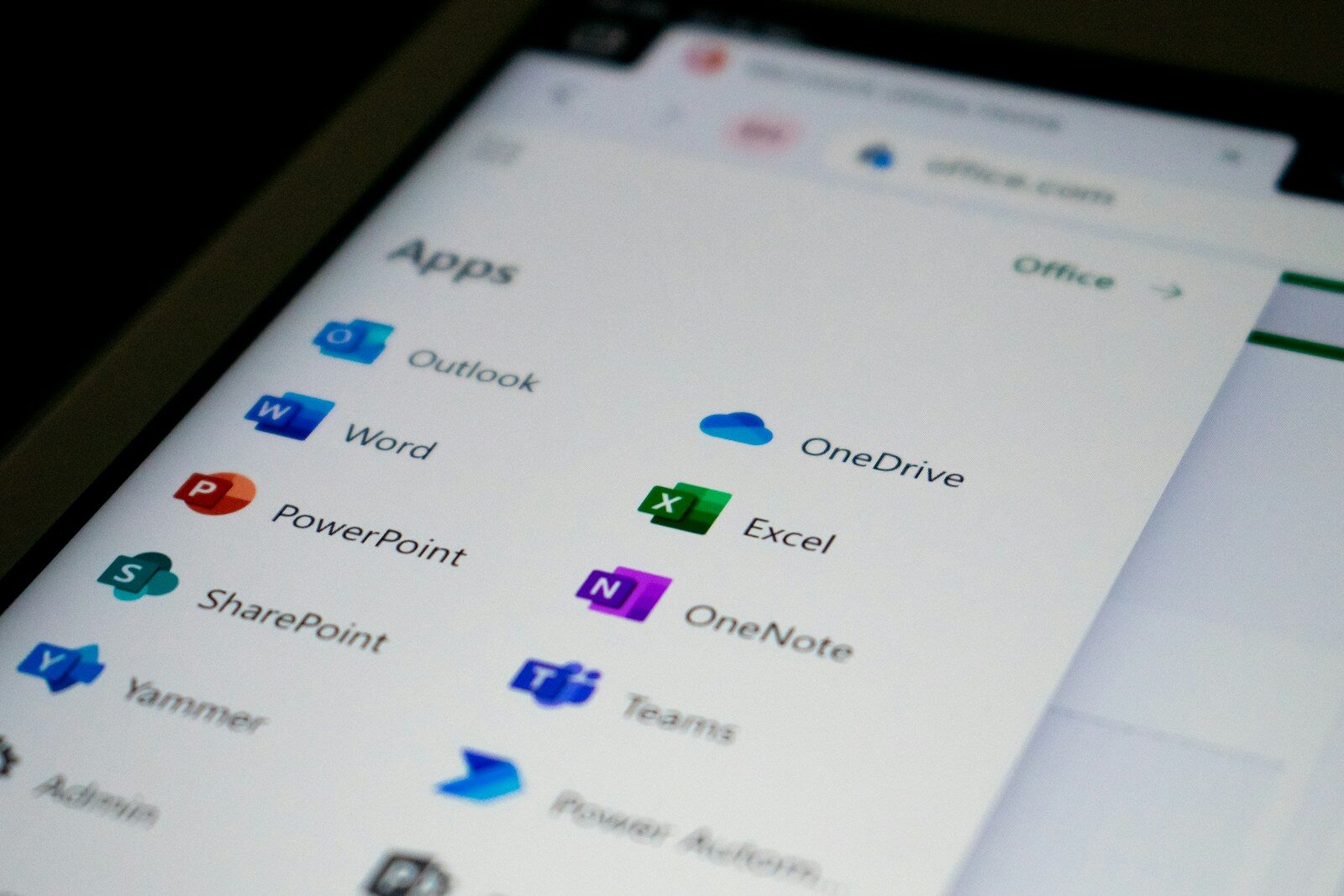
A global Microsoft outage has caused disruption across the UK public sector, with police forces unable to receive online reports, NHS organisations losing access to email, and Whitehall scrambling to establish which of its systems have been hit. The incident raises questions around how resilient these organisations would be in the event of any future breakdown of critical IT infrastructure.
To be clear, Microsoft has ruled out a cyberattack and blamed the disruption on “elevated load” across its infrastructure, meaning its servers were struggling to cope with unusually high demand. However, security experts speaking to Resilience Media have warned that criminals could exploit the confusion surrounding the outage to target users with phishing messages and bogus offers of help.
The problems have also revived concerns about how much of the UK government runs on Microsoft technology.
The outage began on Thursday evening, affecting Outlook, Exchange Online, Teams and other Microsoft 365 services. Microsoft’s efforts to restore access have been complicated by servers becoming unresponsive when traffic was returned to them, prolonging the disruption into Friday.
The government has confirmed it’s working with Microsoft to establish which services have been affected. A spokesperson said contingency plans were in place, although there has been little detail about what those involve.
Defence minister Luke Pollard told Times Radio on Friday morning that government engineers were investigating but did not confirm whether any government systems had actually been affected, including those operated by the MOD.
The problems have reached national security agencies overseas. In Australia, the heads of domestic intelligence agency ASIO and the Australian Federal Police confirmed their organisations had been affected.
While the full impact on central government remains unclear, the problems are already being felt across local public services, with councils, police forces, and NHS organisations reporting difficulties accessing systems they use every day.
Hertfordshire Police warned that online crime reports might not get through, while Dorset Police said it was unable to receive submissions through its website forms. West Northamptonshire Council also reported problems with Outlook and email, although its telephone lines remained available.
In the NHS, Lincolnshire Partnership NHS Foundation Trust asked patients and GPs to telephone rather than email for urgent referrals. NHS Fife advised staff to use Teams messaging where possible, while stressing that patient services were continuing.
Experts emphasised that the possibility of criminals exploiting the outage remains high.
“At this time, even more so than usual, people should exercise caution when receiving emails, texts or calls purporting to be from Microsoft or other affected businesses, particularly banks or shops,” Aiden Sinnott, principal threat researcher at Sophos Counter Threat Unit, told Resilience Media. “Be aware of requests for urgent action, sharing of personal information and avoid clicking on links sent via message or email.”
The incident also highlights ongoing questions about the government being overly reliant a small handful of IT providers — non-UK providers, at that.
The Cabinet Office does not hold a central assessment of that dependence. In an October parliamentary answer, it confirmed that individual departments are responsible for choosing their own software and cloud services, and for making arrangements to keep working if those systems become unavailable.
The government’s dependence on US technology providers has long raised concerns about digital sovereignty, but this outage has exposed a more practical risk. With Microsoft so deeply embedded in everyday government operations, even a technical failure can leave departments struggling to communicate and carry out routine work.
For all the assurances about contingency plans, the government has yet to explain how well those arrangements have worked during this outage, or how much of its day-to-day business has been affected.