The future of warfare may depend on drones, AI, autonomous systems, and weapons that barely existed a few years ago. But getting those systems into the hands of soldiers still depends on something far less exciting: paperwork.
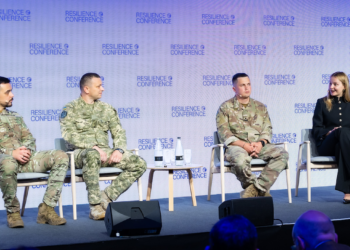
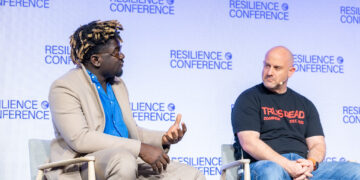
Peter Dixon, CEO and founder of Arkenstone Defense, joined Resilience to talk about the hidden infrastructure behind the defense tech boom.
Arkenstone calls itself “the most boring company in defense tech.” Its job is to help young defense companies survive the long, costly process of becoming real Pentagon suppliers. The challenge? To route around ol guard military who are sticklers for chain of command and controls.
“You can have a capability or technology that would deter war with China, right? It would deter China from invading Taiwan, for example,” he said. “And there’s going to be somebody in the US Navy who is a gatekeeper on that. And even if you say, ‘Hey, this is the most important technology that will change the outcome of human history, it will deter war. We need it, we need it yesterday.’ The gatekeeper is going to bring out their Pentagon red tape checklist.”
For a 40-person drone startup, that can mean spending time and money on compliance, security, accounting, contracting, HR, and other back-office work rather than building the product. Arkenstone takes that work off the company’s hands.
“When you raise the cost of bureaucracy on them it puts them out of business. It’s somewhere around maybe seventeen thousand companies in the last three years have been driven out of the defense industrial base, small and medium companies, by the cost of all of this. So at a time when we desperately need to sustain what we have and expand with new entrants the opposite is occurring,” said Dixon.
Ukraine Changed the Equation
Dixon’s view of the problem comes partly from his own military service in Iraq and Afghanistan, but also from a later visit to Ukraine. What he saw there convinced him that Western militaries are facing a much faster change in warfare than many people understand.
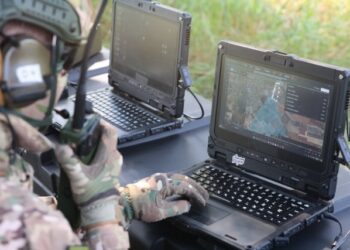
“You’re being hunted by killer drones with AI, but you’re also going over the top in trench lines,” Dixon said.
Dixon said that cheap drones, software, sensors, and AI exist alongside trenches and artillery. He came away questioning how long conventional American units, using current tactics and equipment, could survive on such a battlefield. That puts pressure on the Pentagon to adopt new technology much faster, thus the need for back office controls and systems that help manage a company’s growth from seed check to acquisition.
A company has to meet government security standards. It has to survive audits and compliance programs. Therefore, Arkenstone wants companies to start building that foundation early, even when the startup is, as Dixon put it, “five people and a dog” with a few hundred thousand dollars in funding.
Dixon argues that the real test comes when startups try to move from relatively small innovation budgets into the much larger pool of money Congress has approved for established military programs.
“If we don’t get this right,” he said, “it’s the whole ball game.”