Ukraine faces an unprecedented challenge in demining its war-torn landscape. Following Russia’s full-scale invasion, the country has become the most mined in the world, with over 139,300 square kilometres of land contaminated by explosive remnants of war (ERW). The economic and humanitarian toll is staggering, costing Ukraine an estimated $11.2bn in lost GDP annually while rendering vast agricultural lands unusable. Given the severity of the crisis, traditional demining methods—manual clearance and mechanical solutions—are inadequate. Instead, cutting-edge technology must play a central role in accelerating the demining process, ensuring Ukraine’s recovery is swift, safe, and sustainable.
This is the focus of the The Role Of Technology To Demine Ukraine white paper, published by UK-Ukraine TechExchange. The paper provides critical insights into how startups can play a leading role in demining innovation. With an ever-growing recognition of DefenceTech’s potential within venture capital and defence budgets, early-stage companies developing autonomous drones, AI-driven detection systems, and advanced sensors have a unique opportunity to make a real impact. The integration of private capital, government funding, and cutting-edge research creates an unprecedented moment for startups to shape the future of security and humanitarian technology.
The Scale of the Problem
The urgency of demining efforts cannot be overstated, says UK-Ukraine TechExchange CEO, Andriy Dovbenko. The sheer quantity of Russian mines, many launched via rocket-propelled systems up to 40 kilometres away, have created a complex and unpredictable minefield. The humanitarian consequences are dire, with over 1,000 civilian casualties already reported due to landmine explosions. Meanwhile, the economic implications threaten Ukraine’s long-term stability, particularly in agriculture, which previously accounted for 41 per cent of the country’s total exports and employed 14 per cent of the population.
Manual demining can take years to clear even small areas, especially given Ukraine’s harsh climate and varied terrain. While demining machines can accelerate the process, the high costs and logistical challenges of deploying them en masse highlight the need for innovative, scalable solutions.
Technology as the Key to Acceleration
Autonomous Drones for Detection and Mapping
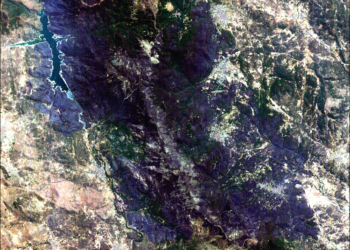
Drones have already begun to transform demining operations, reducing the time required to survey mined areas from months to days. High-resolution cameras and thermal imaging allow for rapid identification of mines, while AI-driven data analysis can predict likely mine placements based on historical patterns.
Next-generation drones, integrated with multispectral and hyperspectral imaging, ground-penetrating radar (GPR), and magnetic anomaly detection, offer even greater potential. Fully autonomous drone swarms capable of continuous surveillance could further enhance safety, reducing human exposure to hazardous areas.
Artificial Intelligence and Machine Learning
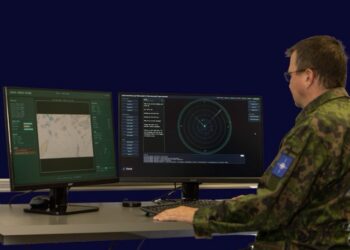
AI is revolutionising demining by improving pattern recognition and data processing. By training machine learning models on vast datasets of mine placements, AI can enhance detection accuracy and optimise resource allocation. The IRIS system developed by Fenix Insights, for example, combines machine learning with geospatial intelligence to identify high-risk zones, ensuring demining efforts are focused where they are most needed.
One major challenge remains: the availability of high-quality training data. Inconsistent record-keeping and a lack of centralised information-sharing hinder AI’s full potential. A concerted effort to standardise data collection across demining organisations will be crucial for unlocking AI’s capabilities.
Advanced Sensors and Robotics
While 80 per cent of landmines in Ukraine are above ground, buried mines present a more complex challenge. Emerging sensor technologies, such as magnetic gradiometry and chemical sniffers, offer promising solutions. Magnetic gradiometry can detect subtle variations in the earth’s electromagnetic field, while chemical sniffers identify trace explosive molecules. However, both methods face obstacles, including interference from metal debris and environmental factors.
Robotic demining solutions, such as flail-equipped vehicles and mine ploughs, provide another layer of efficiency. Yet, the cost and logistical hurdles associated with deploying these machines at scale necessitate further innovation in robotic miniaturisation and automation.
Financing the Future of Demining
The financial model for demining technology must evolve. Historically, demining efforts have relied on donor funding and government aid, but a more diversified investment approach is needed. Several key avenues could unlock the necessary capital:
- Government Defence Budgets: Recognising demining as a defence priority rather than purely a humanitarian issue could secure greater state funding. Mine contamination directly impacts military operations, and a clearer alignment with defence strategies would bolster financial support.
- Venture Capital Investment: While venture capital (VC) has been historically hesitant to invest in demining, shifting attitudes in DefenceTech indicate a potential change. In 2024, VC investment in defence startups surged to $2.2 billion, demonstrating a growing appetite for security-related technologies. Demining solutions, particularly those with dual-use applications in defence and agriculture, could follow suit.
- Private Sector Engagement: Agribusinesses have a direct stake in clearing land for farming, creating an opportunity for industry-led investment in demining technology. Partnerships between demining startups and agricultural firms could offer mutually beneficial financing arrangements.
The Road Ahead
Ukraine’s recovery depends on accelerating demining efforts through innovation. The integration of drones, AI, and robotics will not only make the process faster and safer but will also set a precedent for demining operations worldwide. However, realising this vision requires overcoming regulatory bottlenecks, improving data-sharing mechanisms, and securing sustainable funding sources.
The Ukrainian government, international partners, and private investors must now collaborate to remove financial and bureaucratic obstacles, allowing technology to fulfil its potential. With the right support, Ukraine could emerge as a global leader in next-generation demining solutions—transforming a tragic necessity into an opportunity for technological leadership and economic renewal.