The driving force of AI in defence tech has been well-documented: autonomy, predictive intelligence, systems used to break through (or create) encryption, and many other functions all can be traced to applications and advances in artificial intelligence. But there’s been another less intended, but welcome, consequence of AI in defence tech: it’s become a strong pull for attracting top technology talent to the space, the chief science officer of Helsing said earlier on Monday.
“Fifteen years ago, when I joined Meta, if you really wanted to push the frontiers of research — AI, robotics — it was big technology companies or nothing,” said Antoine Bordes. “Now that’s just not the case.”
Defence technology companies, he continued, have become a ripe place not only to explore the further reaches of frontier research into AI systems, but to do so in a very interesting context: by considering how it applies to the “mission” of these companies. (And yes, the valuations of the biggest of these defence techs definitely are the carrots in this scenario, he admitted.)
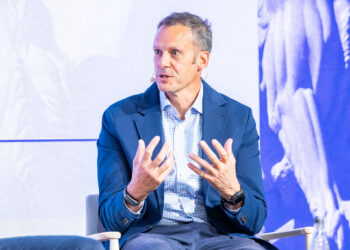
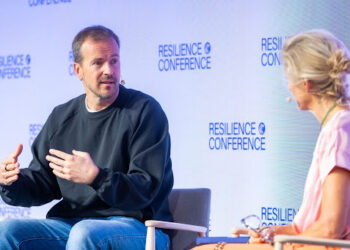
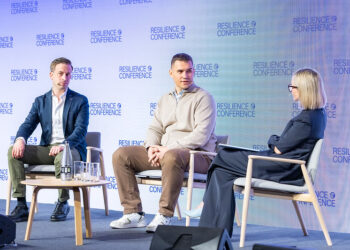
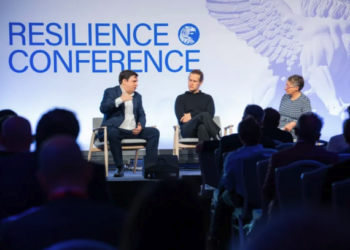
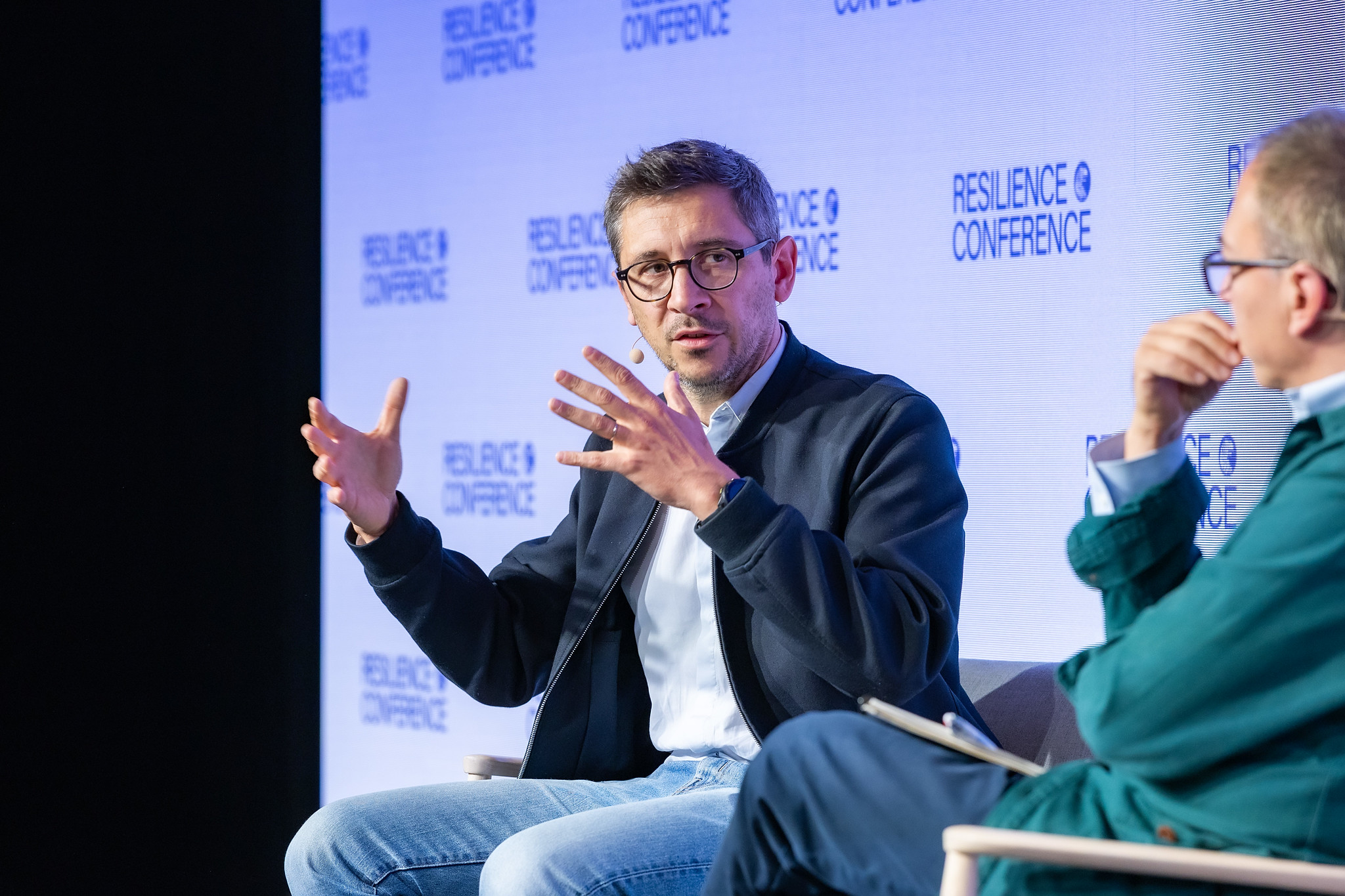
Bordes was speaking on stage at Resilience Conference in London, where his job was described as “Q, but without the British bureaucracy,” in reference to the head of the research labs in the mythical James Bond universe.
Bordes has been with Helsing since 2023, and his leap to join the startup was very notable at the time. At Meta he’d been the co-director of the company’s AI research lab FAIR. He made the jump to Helsing well before Meta threw in the towel on FAIR, and well before Helsing really took off. Valued at $18 billion earlier this year, it’s now one of the biggest venture-backed startups in Europe.
Bordes describes his role at the company as something of a mage. He doesn’t directly get involved in the strategic decisions of what is built, what makes strategic sense for European defence, what will be commercially viable, or business development. But his team thinks and works on ideas that might feed into all of these.
“I’m the one in charge of saying, what will be the next innovation that we should invest in to make a difference for defence and [specifically] Eastern Flank defence,” he said.
His work reflects this. In June 2026, he launched the company’s frontier research lab Area 9, as well as RX-1, a platform for R&D specifically in the area of defence robotics. Prior to that, in January 2026, he received a prestigious accolade from the Association for the Advancement of Artificial Intelligence for his work on frontier research.
He avoided answering any questions, however, on what we might see coming around the corner, either in how military doctrine might evolve given the rise of AI and robotics on the battlefield potentially replacing humans, or in terms of what that technology might look like, or specifically what Helsing might build next.
“It’s important that technologists like me are engaged in the conversation,” he said of the evolution in doctrine. “Technology is arriving very quickly and so the questions of last year may not be the questions of this year.”