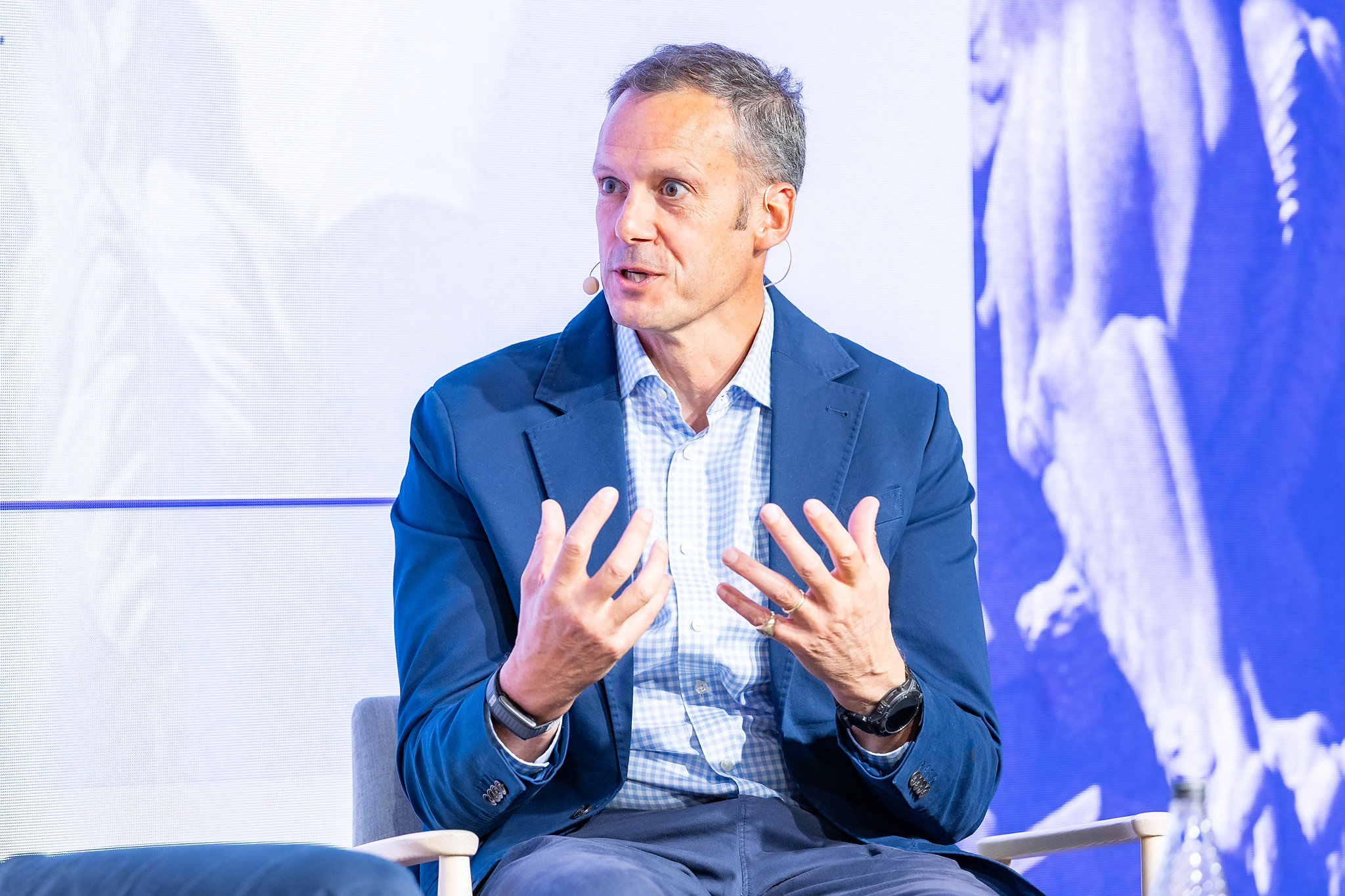
NATO countries risk being unprepared for the kind of rapidly changing warfare seen in Ukraine unless their procurement systems adapt to working with startups and new defence primes, according to NATO Innovation Fund (NIF) chief adoption officer John Ridge.
Speaking at Resilience Conference in London on Monday, Ridge said much of the difficulty comes down to how procurement organisations are set up and the kinds of companies they are used to dealing with.
Indeed, much of the challenge ultimately comes down to “human systems”: procurement organisations have historically worked with a relatively small number of large defence contractors.
“You’re asking them to then deal with a completely different set of companies: those startups, scale-ups and neo-primes who don’t necessarily have that kind of legacy of contracts,” Ridge said. “They operate differently. They want to come to you with a product rather than ask you for a requirement.”
The comments came during a panel discussion on how militaries can adopt and deploy uncrewed ground vehicles more quickly, which included Stefan Roebel, co-founder and COO of German unmanned ground systems company ARX Robotics.
Funding surges, procurement lags
The warning comes as private capital pours into European defence tech. Funding for European defence startups is projected to reach $10.5 billion this year, however, turning that investor appetite into military procurement remains a hurdle.
Recent reporting from Resilience Media found that startups in Germany can struggle to move from demonstrations to contracts through a procurement system that continues to favour established suppliers. And the UK faces a similar problem, with just 4% of Ministry of Defence (MoD) direct expenditure with domestic industry went straight to SMEs in 2024/25.
Ridge said procurement bodies need to rethink how they work with younger defence companies, which can often respond more quickly as battlefield requirements change. Major contractors remain strong in other areas, he added, but are less suited to rapid development and integration.
“Until that happens, I struggle to see how we’re going to be ready enough to fight the sort of war that we’re seeing Ukraine fight at the moment,” he said.