Nigerian defence startup Terra Industries is building a network of suppliers and technology companies across the Global South. Its mission is to support a new category of infrastructure defence aimed at threats including terrorism, cartels, and attacks on critical assets — and to create a credible alternative to China as a primary supplier.
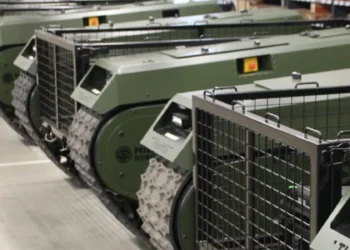
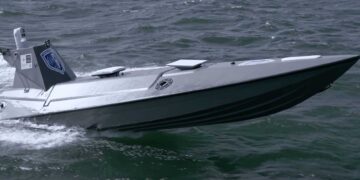
Founded in 2024, the Abuja-based company designs and manufactures autonomous defence systems spanning air, land and maritime environments. Its ArtemisOS software platform connects those systems and provides command-and-control and threat intelligence capabilities.
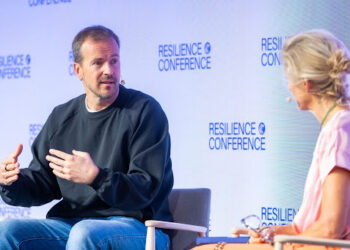
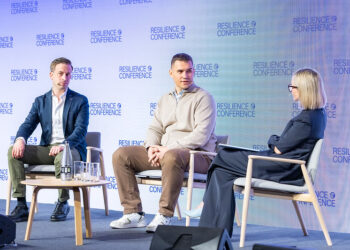
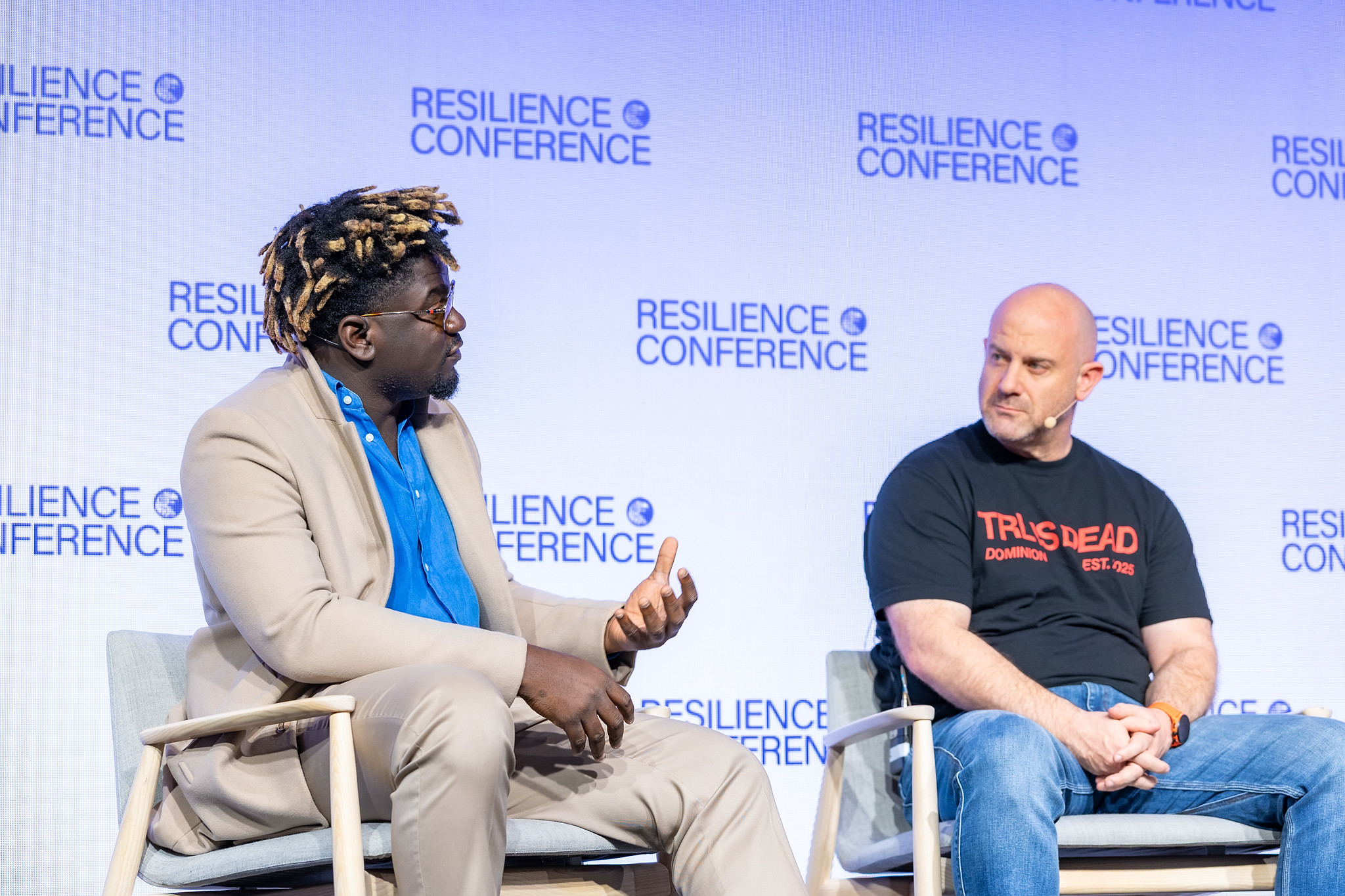
“We want to build an entirely parallel defence ecosystem from the ground up,” CEO Nathan Nwachuku told Resilience Media following a panel discussion at Resilience Conference in London on Monday. He described the ambition as building a “defence industrial alliance across the Global South that is supporting each other.”
The comments came during a broader discussion about the emergence of new defence primes that included Eliot Pence, CEO of Canadian defence startup Dominion Dynamics.
Nwachuku argued that much of the established defence industry is geared towards the priorities of the US and Europe, particularly conventional conflict involving states such as Russia and China, whereas many countries elsewhere face a different set of threats.
“For most of the world, their actual reality is infrastructural attacks from terrorist groups, from cartels, from non-state actors in Latin America, Africa, the Middle East,” he added.
Building an alternative supply chain
Terra says it has now moved its supply chain away from China, turning instead to younger suppliers across a range of emerging markets.
“We are finding startup suppliers — people that were building new sensor packages, new motors — in emerging markets, like Vietnam, Eastern Europe, Latin America, even in Africa,” he said. “We have been able to successfully completely move away from China.”
Additionally, Terra is taking equity stakes in selected companies that can bolster its wider defence ecosystem. It has made two such investments so far — one is Nigerian cybersecurity company Aeon Cyber Defense, where Terra recently led a $1 million investment and formed a partnership combining Aeon’s cyber capabilities with Terra’s physical security systems. Nwachuku said a second investment in a separate startup will be announced soon.
Terra has announced $52 million in seed funding across three closes this year, but Nwachuku said only around 0.5% of that capital had gone into the strategic investments.
“Most of what is being invested is actually from our revenue,” he said, adding that Terra was on track for more than $100 million in contracted business this year.
China remains Terra’s “biggest competition”, according to Nwachuku, but he argued that Terra is not trying to beat Chinese suppliers by undercutting them on cost. Instead, he sees its advantage in offering aerial, ground and maritime systems through a single infrastructure-defence platform.
“We are not competing with China on the price,” Nwachuku said. “We’re competing on the fact that we are the only company in the world today that has an integrated technology stack for infrastructure defense.”