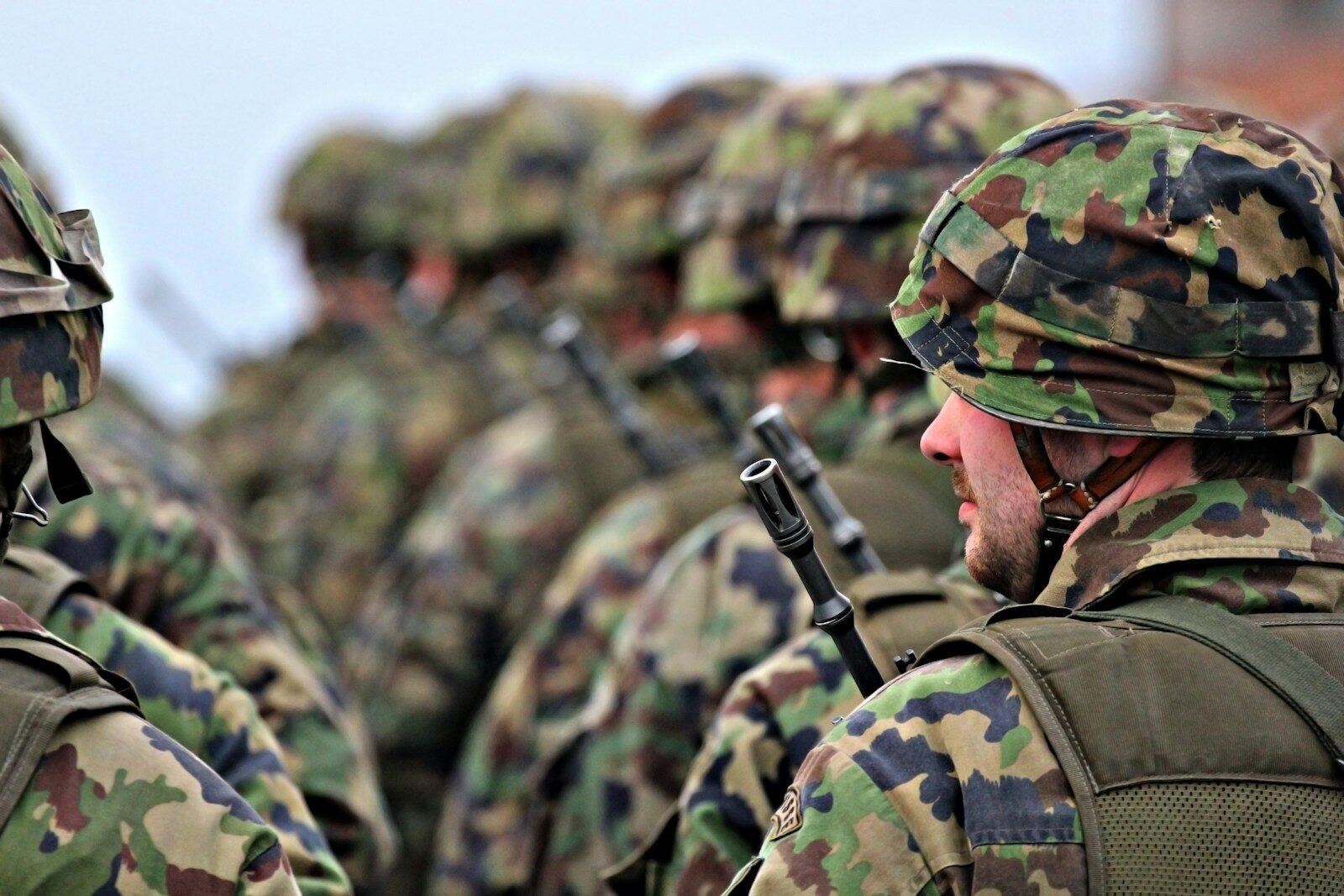
The Ministry of Defence has awarded a £2 billion contract to deliver a new AI-enabled training system for the British Army, as it looks to modernise how troops prepare for increasingly complex and technology-driven battlefields.
The 15-year Army Collective Training Service (ACTS) contract has been awarded to Omnia Training, a consortium led by Raytheon UK alongside Capita, Cervus, Rheinmetall UK and Skyral. The programme forms part of the Army’s wider Collective Training Transformation Programme, which aims to overhaul how soldiers and commanders train for future operations.
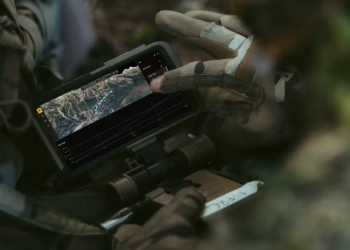
At the centre of the programme is a new digital Combat Laboratory that combines artificial intelligence, advanced analytics, simulation, and virtual environments to recreate the conditions of modern warfare. The MOD said the platform will enable units to train more frequently and in a wider range of scenarios, while capturing performance data to support planning, identify trends and improve decision-making.
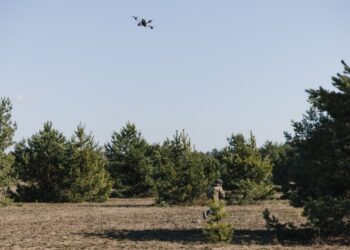
The system is expected to train up to 60,000 soldiers each year, with exercises ranging from company-level operations through to formations of around 50,000 personnel. Officials said it has been designed with lessons from the war in Ukraine in mind, where rapidly evolving tactics, electronic warfare, and the integration of autonomous systems have reshaped the battlefield.
Newly appointed Defence Minister Dan Jarvis said the investment would ensure British soldiers receive “the quality training they need to keep us safe”, adding that it would also create skilled jobs across the UK.
The contract is expected to support around 400 jobs over its lifetime, including 270 newly created roles in software engineering, cloud computing, AI, and data analytics. The consortium will also establish 100 apprenticeships in partnership with Wiltshire College and the University of Staffordshire, alongside opportunities aimed at military veterans.
The MOD said the programme will draw on a supply chain of more than 40 UK businesses. It also highlighted that simulation software developed by Skyral and platforms supplied by Cervus are UK-owned technologies supported through previous Defence and Security Accelerator (DASA) funding.
The programme is one of the first major training initiatives to emerge from the Defence Investment Plan and forms part of the government’s ambition to make the British Army “ten times more lethal” by 2035. Ministers argue combining live exercises with AI-assisted analysis and synthetic environments will improve readiness for future conflicts.