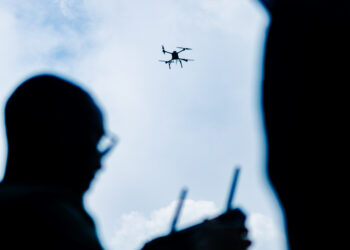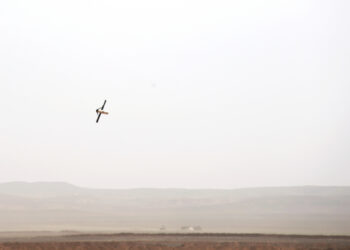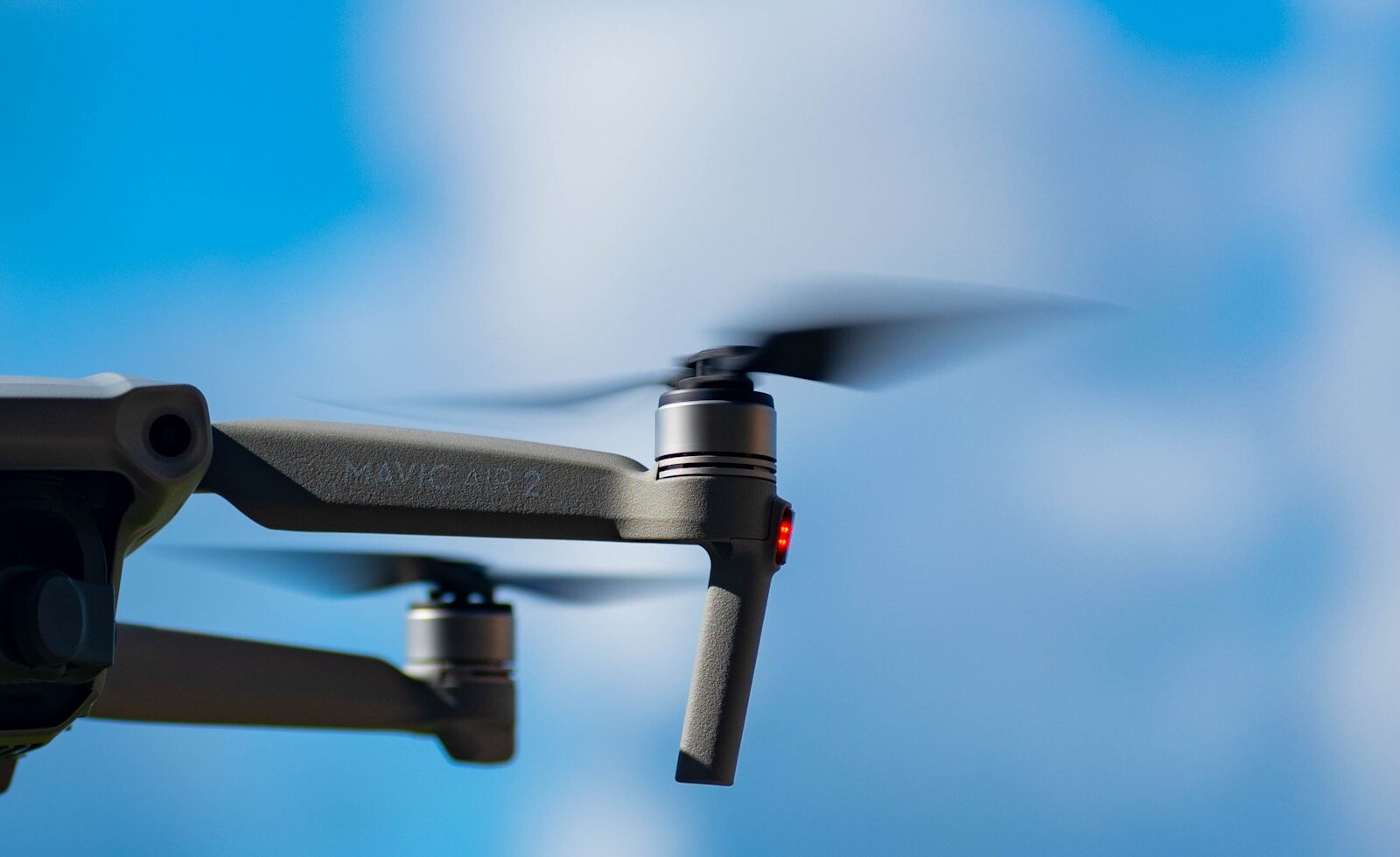
A drone crashed during a test flight at Test- und Forschungsflugfeld Peenemünde in northern Germany on August 12, 2026, starting a fire that burned about 6,000 square metres of open land. According to reports, no one was injured, and authorities said the flight had been approved by aviation regulators. The drone belonged to a company based at the airfield, although its identity and the system being tested have not been made public.
The secrecy is not unusual. Peenemünde has become an important testing site for Germany’s growing defence technology sector. Companies including Helsing, Quantum Systems, Polaris, and Infinteq conduct tests in the area, taking advantage of a roughly 260-square-kilometre zone where large drones can operate over land and water at altitudes of up to 1,500 metres. The goal is to build sovereign, German-made drone defence systems that can be used locally or exported to places like Ukraine.
But the incident comes amid a larger debate about whether Germany has enough places to conduct this kind of work. And Germany is not alone. Drone crashes in Turkey, Romania, and Belarus have made at least local news this month as incursions by autonomous drones involved in the Russia-Ukraine conflict become almost commonplace in some Black Sea and Central European areas.
There are a few potential solutions for these crashes. One involves the concept of networked test areas. Infinteq CEO André Komp told NDR that a system of connected test areas that ran nearly the entirety of Germany would enable drone testers to test systems and maneuvers in a larger environment, thereby offering better opportunities to land safely or ditch in locations with less risk of damage or wildfires. At present, he said, developers sometimes have to travel abroad for more complex tests.
Further, countermeasures need to be put into place to prevent drone incursions, even if controlled by friendlies. For example, Auterion CEO Lorenz Meier said that future anti-drone systems could be placed on major buildings and, due to the falling cost of the technology, involve electronic countermeasures and even interceptor drones that could stop runaway UAVs mid-flight.
“I could see that installing it in a fixed location on a roof can be a very economical solution because you don’t have to manage it all the time,” he said. “We will also introduce products that can be used for that later in the year. And I believe that what is very concerning right now, drone threats, will be a mitigated risk over the next few years.”