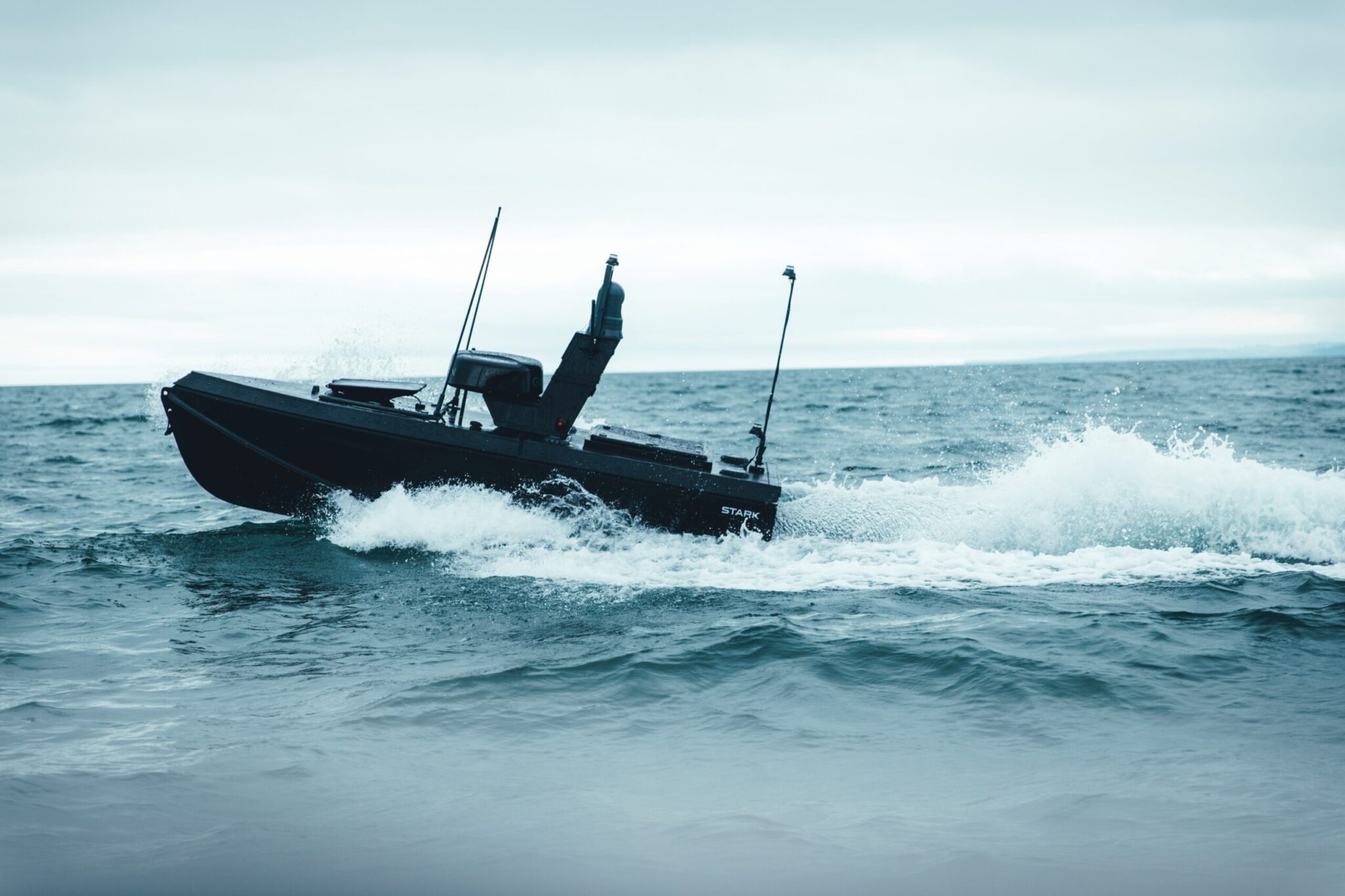
German defence company STARK, which recently raised $500 million from various funders, has delivered the first Seetaube unmanned surface vessel to the German Armed Forces’ Cyber and Information Domain Service. The six-metre crewless boat is designed to conduct maritime reconnaissance while acting as a mobile sensor platform for German forces.
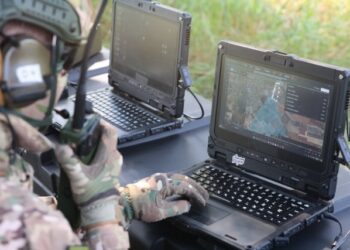
Based on STARK’s Vanta platform, Seetaube carries cameras, sensors, and radar. It can follow a pre-programmed route autonomously while sending data back to its operator in real time. A human operator monitors the mission remotely and can take control of the vessel when required, but the system can traverse the open seas without user intervention.
These new Seetaubes are intended to help German naval vessels locate hostile signal sources. Instead of relying on sensors aboard a single ship, commanders can send the USV away from the vessel and use it as a second observation point. Each device can search for signals in its own area, ensuring maximum coverage without having to remain close to the mothership or other drones. A relatively small USV like the Seetaube can move ahead of a larger vessel, investigate an area, collect information, or provide another sensor position while sailors remain farther away.
These devices are decidedly more focused on defence than offense. Distributed USVs can give a navy more observation points across a wider area, while keeping sailors away from some of the most exposed positions. They can also provide data to larger ships and other systems, turning relatively inexpensive vessels into extensions of a wider intelligence network.
STARK has been raising capital and buying companies in an effort to roll out more advanced UAV and USV systems. The company is also shipping airborne strike drones to Germany even as it rolls out its Seetaube drones.
Germany isn’t putting Seetaube directly into service yet. Over the coming months, the Bundeswehr will train personnel and conduct sea trials before deciding on its formal adoption.