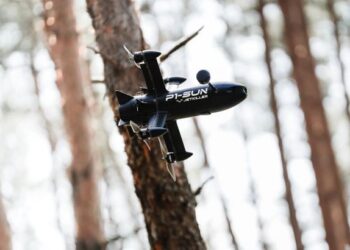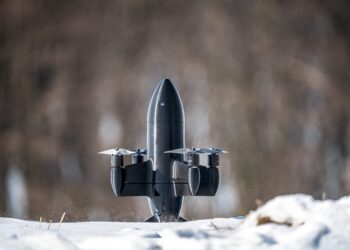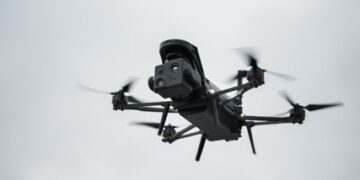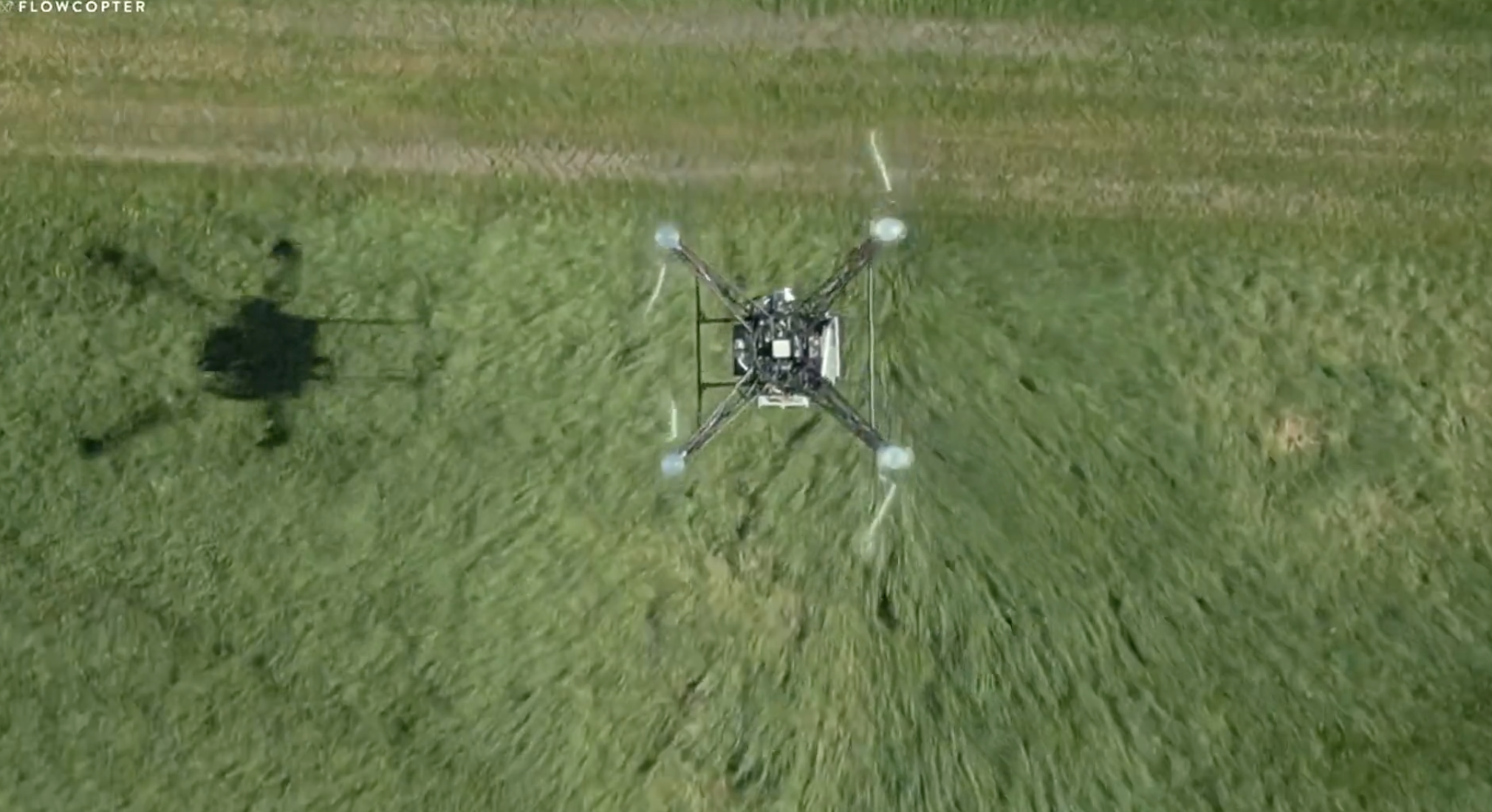
Tekever, the autonomous air systems startup out of Portugal that is rumoured to be raising a big round of funding, is picking up something else in the meantime. The company today said that it is acquiring Flowcopter, a startup out of Ediburgh that makes “heavy-lift” drones, designed to carry heavier payloads for longer distances.
The move is being made both to further Tekever’s expansion in the UK market, but also to bring a new class of drones into its product line, Tekever said.
“Flowcopter has built an outstanding reputation for engineering innovation and has developed truly differentiated technology which addresses some of the most demanding challenges in uncrewed aviation,” said Ricardo Mendes, Tekever’s co-founder and CEO, in a statement.
Financial terms of the deal have not been disclosed. Flowcopter had raised only $2.85 million and was last valued at around $15 million, per data from PitchBook, with just three investors on its cap table: Scottish Enterprise, Drone.VC, and strategic backer Artemis Intelligent Power.
But the startup had been catching the eye of buyers: in May 2026, it was become one of a handful of startups that was being fast-tracked into procurement deals with the UK’s Ministry of Defence.
Tekever has been around since 2001, but it’s seen a hockey stick in its growth in the last couple of years because of geopolitical events.
The war in Ukraine has focused Europe’s mind on rearmament in the event that the conflict spills into more countries, and that rearmament is taking on double-duty as militaries seek to modernise what they are using to better match what adversaries are producing.
Equally, European countries are looking for more home-grown suppliers of defence technology to improve the region’s resilience. All of this spells a lot of attention on companies like Tekever, which have been building and selling autonomous devices for some time now.
Spurred by all of this, in August Bloomberg reported that the Portuguese company was raising €500 million at a €5.5 billion valuation — a massive rise on the company’s valuation of €1.2 billion in May 2025. The company declined to comment on the rumours when Resilience Media asked.
It sounds like all of Flowcopter’s current team of 300 people across the UK will be joining Tekever, which already had operations in London, Bristol, Southampton, West Wales, Lydd and Swindon. Tekever’s UK efforts are underpinned by a planned £400 million investment in the UK (codenamed “Overmatch”).
Critically, too, Tekever will be picking up some critical IP: a hydraulic transmission system that enables aerospace propulsion for drones required to carrier heavier loads for longer for applications such as forward logistics, casualty evacuation, offshore operations, SAR (search and rescue) and disaster relief.
Without the need for human pilots, drones represent a potentially safer way to carry out all of the above in constrained, violent environments.
“As demand increases for autonomous systems capable of operating further, carrying more, and delivering greater mission flexibility, the combined capabilities of the technologies developed by Flowcopter and Tekever’s advanced platforms strengthens our ability to address evolving requirements across both governmental and commercial sectors,” said Karl Brew, director of Tekever UK, in a statement.
Tekever and Flowcopter had already been collaborating before the deal, specifically with Tekever using Flowcopter’s technology in its AR6 models, which are equipped to carry 200 kilograms over 500 kilometres, the company said. Integrated from the concept stage, they will also be working on “crewed-uncrewed teaming” applications, which might see autonomous or semi-autonomous drones flying alongside piloted planes.
“Having already worked closely together on the AR6 programme, we have seen first-hand the value of their expertise and the transformative potential of their hydraulic transmission system,” Mendes continued. “This acquisition brings together two highly complementary organisations united by a shared vision to push the boundaries of what autonomous systems can achieve.”
The deal underscores an inevitable consolidation trend in the industry, with smaller startups getting snapped up by well-capitalised, larger counterparts as they all look for better manufacturing economies of scale and more efficient go-to-market flows. Remember: they’re up against even more giant competitors in the form of incumbent, prime contractors.
The formidable challenge of building a business from scratch in the current market appears to have been top of mind for the Flowcopter team. “From the outset, our mission has been to redefine the capabilities of unmanned aircraft through innovative engineering,” said Peter McCurry, Flowcopter MD, in a statement. “Combining our technology with TEKEVER’s world-class autonomy, operational scale, and international reach will enable us to accelerate development and bring new capabilities to customers faster than ever before.”